
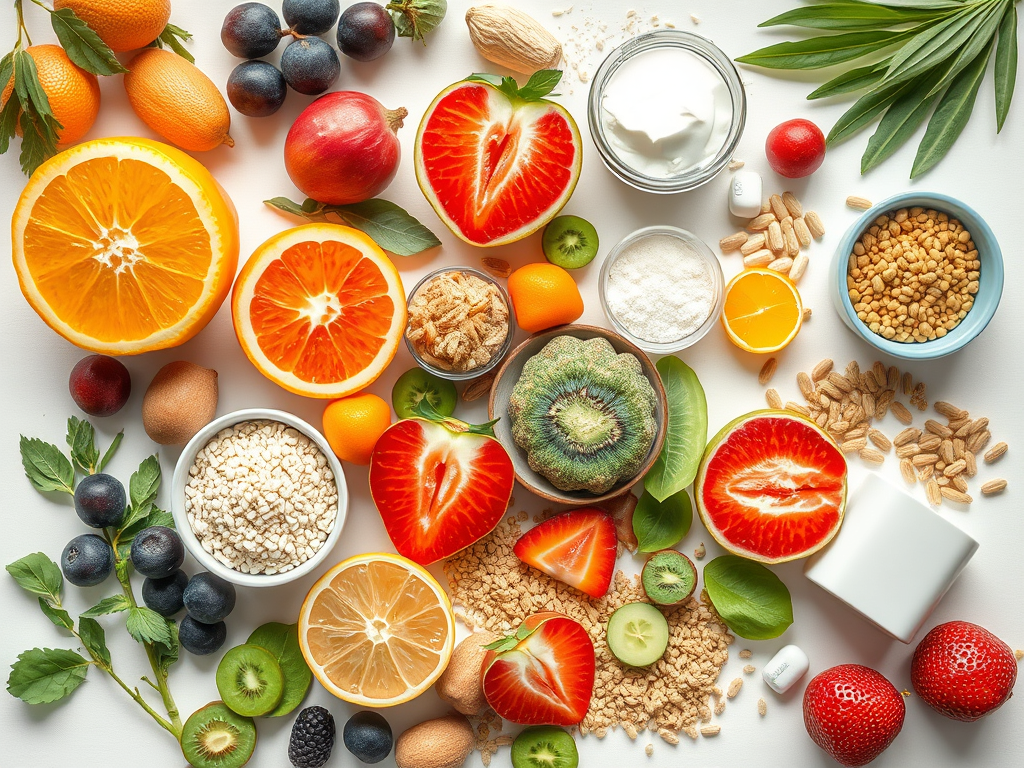
Functional foods are everyday consumables enhanced to offer health benefits beyond basic nutrition. Unlike standard foods, these are designed to support bodily functions, prevent disease, or promote optimal health. Common examples include probiotic yogurts, omega-3 enriched eggs, fortified cereals, and drinks with added collagen or adaptogens. Originating from ancient practices like traditional Chinese and Ayurvedic medicine, the concept has gained global traction as modern science validates the healing potential of food.
The benefits of functional foods are wide-ranging and often profound. Probiotics can enhance gut health and immunity. Fortified products can address common nutrient deficiencies, such as vitamin D or iron. Superfoods like turmeric may reduce inflammation, while fiber-rich whole grains support cardiovascular and digestive wellness. Increasingly, functional foods are becoming a preferred alternative to pharmaceuticals for chronic issues like fatigue, joint pain, and high cholesterol—appealing to those seeking natural, preventive approaches.
However, functional foods aren’t without cautionary notes. Over-reliance can lead to imbalanced diets, especially if consumers mistakenly believe that fortified or enhanced foods can replace whole, fresh options. Some additives, like excessive caffeine, sugar alcohols, or synthetic vitamins, may cause digestive issues or interfere with medications. Misleading marketing can also blur the line between genuinely beneficial foods and hype-driven products with minimal clinical backing.
Despite the risks, functional foods represent an exciting evolution in personal wellness. When chosen wisely and incorporated into a balanced diet, they empower individuals to take an active role in their health using everyday meals. As demand continues to rise, the future will likely see even more innovations—where food isn’t just fuel, but a daily dose of healing.
 davidorman.com