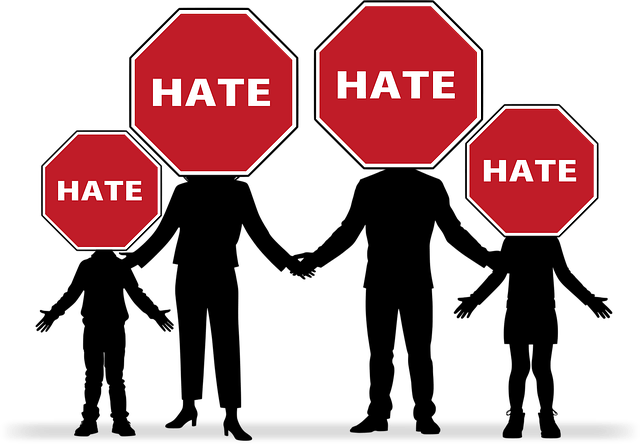
Chaos and violence often emerge not from pure malice but from deep psychological disconnection. In modern society, individuals experience chronic overstimulation paired with emotional isolation. Constant digital noise, social comparison, and fear-based media keep the nervous system in a perpetual state of alertness. This activates the survival brain, the primitive regions designed for fight, flight, or freeze. When people live in that mode long enough, empathy dulls and impulsivity grows. Violence then becomes a misplaced attempt to regain control, to feel powerful in a world that feels unpredictable and overwhelming.
At the root lies an epidemic of unprocessed trauma and suppressed emotion. Many individuals carry unresolved anger, grief, and shame that were never safely expressed or witnessed. When those inner pressures reach a breaking point, they explode outward through aggression or collapse inward through despair. Group identity and tribal thinking amplify this effect, offering belonging through shared hostility. The more divided a society becomes, the easier it is for collective wounds to surface as social chaos, each side projecting its inner pain onto the other.
Ultimately, the violence seen outside mirrors the turmoil within. Without inner stillness and self-awareness, people are ruled by reactivity instead of reflection. Healing begins not in policing or politics but in the quiet work of consciousness, learning to calm the mind, regulate emotion, and reconnect with empathy. When individuals restore balance within themselves, the collective follows. The outer world is simply the sum of countless inner worlds, and peace will only come when enough of them remember how to breathe again.
 davidorman.com