David Orman is a licensed Acupuncture Physician, Master Herbalist, and Nutrition Expert. He has been treating people since 1994 and continues to be a very sought-after health provider, both in-person and online. He also teaches via Zoom and has a number of best selling programs available to improve health, wellness and overall happiness.
David has lectured to Congress, taught at major colleges and universities, and been featured in the Washingtonian Magazine.
On a personal level, David holds 5 black belts and 2 additional teaching certifications in various martial arts. He has also completed 13 marathons and over 40 other smaller events. He also plays the drums and is learning to speak Russian.
In natural medicine, timing is not merely a matter of convenience but an unseen partner in healing. The same chamomile flower, gentle and golden, may soften a restless body differently at sunrise than it does at sunset. At dawn, the body awakens with rising yang energy, the breath deepening, the pulse growing stronger. Drinking chamomile then can harmonize this surge, easing the stomach and calming nervous energy before it builds. By nightfall, yin rules. The quiet hours call for release, for letting go of thought and tension. Chamomile at sunset does not awaken—it invites surrender, helping the spirit fall into stillness.
The Tao teaches us that every action belongs to a rhythm. The Earth breathes in cycles, and so does the body. When we align our medicine with these cycles, we magnify its effect. Chamomile taken at sunrise works like a gentle compass, guiding the day toward centeredness. Taken at sunset, it softens the edges of the mind, dissolving the day’s weight. Both are effective, but in different ways—one prepares, the other restores. The plant itself has not changed, but its relationship to time alters the depth of its gift.
Thus, herbal medicine is not only about what we consume but when we receive it. To drink with the rising sun is to call forth energy with balance. To drink with the setting sun is to sink back into the embrace of yin. In this way, a humble cup of tea becomes more than a remedy. It becomes a dialogue between nature’s rhythm and our own—an act of listening, of attunement, of walking in step with the Tao.
Food is far more than calories on a plate—it is a living dialogue between you and your body. Each bite carries information, signals, and codes that instruct your cells on how to function. When you eat whole, natural foods, you are essentially sending messages of vitality, repair, and balance. On the other hand, processed and artificial choices deliver mixed or harmful instructions, leaving the body confused, overworked, and depleted.
Understanding food as language shifts the focus from counting numbers to listening for meaning. Instead of obsessing over carbs, fats, or proteins, you begin to ask, What message am I giving my body right now? A crisp apple says “clean energy and hydration.” Dark leafy greens whisper “strength and mineral balance.” Sugary snacks shout chaos and inflammation. By tuning into this dialogue, you take conscious control of your cellular environment and long-term health.
This perspective also reconnects eating with mindfulness. When you pause before each meal and recognize the message you are about to send, you transform eating into a sacred act. Every meal becomes a chance to write a new sentence in the story of your health. Choose your words wisely, for your body is always listening.
Q: How can practices like Qi Gong breathing influence mitochondrial health and fat metabolism in a way that modern research can measure?
A: The ancients spoke of breath as the bridge between heaven and earth, the unseen rhythm that nourishes both body and spirit. In Taoist practice, Qi Gong breathing is more than oxygen exchange. It is a deliberate art of guiding energy through the body, aligning the nervous system with the cycles of nature. Where modern science measures mitochondria—the tiny power plants of our cells—Taoist sages saw a glow of life-force. Both point to the same truth: breath is fuel for vitality.
Modern studies reveal that slow, deep diaphragmatic breathing reduces stress hormones and increases oxygen efficiency, creating an environment where mitochondria thrive. When breath is shallow and erratic, cells are starved and fatigue becomes the norm. Qi Gong’s measured inhales and flowing exhales cultivate a steady supply of oxygen while lowering the body’s energy drain from stress. The effect is not abstract—it is measurable in improved VO2 max, reduced inflammatory markers, and enhanced mitochondrial function.
There is also a metabolic dimension. Research shows that controlled breathing practices can shift the body toward fat metabolism by influencing oxygen delivery and energy pathways. Taoists described this as “burning the dense fuels of the body” to release lighter, clearer energy. What they intuited centuries ago, biochemistry now explains: efficient mitochondria use fat as a primary fuel, improving endurance, body composition, and overall resilience.
Perhaps the greatest gift of Qi Gong breathing is its accessibility. No equipment is needed, only intention. A simple daily practice—ten minutes of slow belly breathing, eyes softened, mind settled in the present—nourishes mitochondria, steadies the heart, and awakens clarity. In a world driven by complexity, the Tao reminds us that the most profound medicine may be the simplest: breathe with awareness, and life itself becomes the healer.
Bergamot (Monarda species), also known as bee balm, is a strikingly beautiful herb native to North America, long valued for both its medicinal and spiritual properties. With its vibrant blossoms and aromatic leaves, it has held an important place in traditional healing practices of Indigenous peoples, who used it for respiratory issues, fevers, and digestive complaints. The plant contains natural antiseptic and antimicrobial oils, making it a useful ally for soothing infections, sore throats, and wounds. Over time, bergamot’s reputation has expanded into modern herbalism as a versatile remedy that supports vitality and resilience.
One of bergamot’s greatest strengths lies in its ability to ease the body and mind simultaneously. Its uplifting fragrance has a calming effect on the nervous system, reducing tension and stress, while its medicinal compounds help open the lungs and support clearer breathing. Herbal infusions made from bergamot flowers and leaves can act as a tonic for the immune system, bolstering natural defenses and restoring balance. In this way, it works on both the physical and energetic levels—clearing stagnation and encouraging the free flow of qi, or life force, throughout the body.
Beyond its medicinal role, bergamot carries a symbolic and spiritual presence. Often associated with vitality, clarity, and the energy of renewal, it embodies the natural connection between breath, spirit, and well-being. To sit with this herb, whether by sipping a warm infusion or simply breathing in its fragrance, is to invite a reminder of nature’s healing rhythm. In Taoist terms, bergamot harmonizes the external and internal worlds, offering not just a cure for symptoms but a restoration of wholeness. In this way, the humble flower reveals itself as both medicine and teacher.
Dry needling is often presented in modern physiotherapy circles as a “breakthrough,” unique science-based intervention for muscle pain and dysfunction. Marketed as distinct from acupuncture, it uses acupuncture needles to target trigger points in muscle tissue, claiming to deactivate tension, restore mobility, and accelerate recovery. The language is purely Western. Rooted in anatomy, neurology, and biomechanics it gives an air of novelty for practitioners and patients who have never studied Traditional Chinese Medicine (TCM) or other styles of genuine acupuncture. Yet, behind the branding and rewording, the core technique is not new at all. It is essentially a repackaging of an ancient method that has been practiced for centuries in the East and decades in the West.
In Acupuncture, there exists a concept known as Ashi points. These are tender spots on the body that are not mapped as fixed meridian points but are identified by palpation in which the patient often responds with noted reaction when the spot is pressed. For hundreds, if not thousands, of years, Acupuncteure practitioners have needled directly into these points to relieve pain, improve circulation, and restore function. This method has been an integral part of traditional acupuncture practice and is recognized as one of the most effective approaches for treating musculoskeletal pain. What dry needling calls “trigger point therapy” or “neuromuscular reset” is, in function, a direct mirror of Ashi point needling. If it were a written work, it would be considered plagerism.
The marketing separation between dry needling and acupuncture exists largely for regulatory, professional, and commercial reasons. By avoiding the terminology of meridians, Qi, and traditional theory, dry needling positions itself as a modern, evidence-based alternative that physical therapists, chiropractors, and other non-acupuncturists can adopt without undergoing rigorous years of formal acupuncture training. This strategic rebranding creates a perceived innovation, allowing practitioners to bill differently, market to a different demographic, and sidestep the cultural associations some patients may have with acupuncture.
It is less about a genuine new discovery and more about reframing an old, proven method in contemporary language.
At its core, dry needling is not a revolutionary therapy, but rather a selective borrowing from TCM’s Ashi point technique with a Westernized story wrapped around it. The same stainless steel needles are used. The same process of palpating for tenderness, inserting the needle, and eliciting a therapeutic response is followed. Only the training, which is inadequate compared to Acupuncturists, is different.
And the explanation and marketing differs. By recognizing dry needling for what it truly is — a rebranded slice of traditional acupuncture stripped of its philosophical framework — we can see through the gimmick and appreciate the origins of the method. The real innovation lies not in the technique itself, but in the marketing that has successfully convinced many that it is something entirely new.
QUESTION: Can the timing of when you eat certain foods (like proteins, carbs, or fats) impact hormonal balance and energy levels throughout the day?
ANSWER: Yes, the timing of your macronutrient intake can significantly influence hormonal balance, energy levels, and even emotional well-being. This concept, called chrononutrition, blends the science of circadian biology with how and when you eat. For example, starting your day with protein-rich foods can support dopamine production, which helps increase focus and motivation. Eating carbohydrates later in the day may promote serotonin activity, encouraging relaxation and restful sleep.
Your body runs on internal clocks that regulate hormones like insulin, cortisol, melatonin, and ghrelin. Eating a high-carbohydrate breakfast can cause a quick rise and fall in blood sugar, which often leads to energy crashes and increased hunger. On the other hand, a breakfast rich in healthy fats and proteins supports stable blood sugar and consistent energy. Large or heavy meals eaten late in the evening can interfere with melatonin production and reduce the release of growth hormone during sleep, both of which are important for recovery and repair.
In traditional natural medicine and Taoist thought, these rhythms are well respected. Morning is considered a time for activity and building, which aligns with eating foods that nourish and energize. Evening is viewed as a time for rest and reflection, so lighter and more calming foods are recommended. Eating in harmony with your natural rhythm helps keep the body in balance and allows hormones to work in your favor rather than against you.
Dragon’s blood may sound like a mythical potion, but it’s a very real and potent natural remedy. This deep crimson resin is harvested from the bark or fruit of several distinct plant species, most notably Croton lechleri in South America and Daemonorops draco in Southeast Asia. For centuries, indigenous cultures have used it for its powerful healing properties—applying it topically to seal wounds, prevent infection, and even promote rapid tissue regeneration. The name itself reflects both its color and its mystical reputation among traditional healers.
One of the most celebrated attributes of dragon’s blood is its ability to accelerate skin repair. The resin contains compounds such as taspine, known for stimulating fibroblast activity—cells responsible for collagen production and wound closure. It acts as a natural bandage, forming a protective layer over wounds, cuts, and abrasions, shielding them from contaminants while delivering anti-inflammatory and antimicrobial compounds directly to the site. This makes it an excellent ally for skin ulcers, burns, scrapes, and post-surgical healing.
Internally, dragon’s blood has been used traditionally to soothe gastrointestinal issues. It is known to support intestinal lining integrity, helping reduce symptoms of ulcers, leaky gut syndrome, and digestive inflammation. The resin’s alkaloids and polyphenols contribute to its antioxidant and astringent properties, helping to tighten and tone tissues. Its internal use, however, should always be done under the guidance of a qualified practitioner, as potency and sourcing vary greatly.
In energetic or Taoist healing frameworks, dragon’s blood is often viewed as a resin that invigorates the flow of Qi and anchors the spirit in times of trauma or disarray. Its affinity for blood and tissue makes it an essential element in any natural medicine cabinet for both acute injury and deep recovery. Nature’s crimson gift is a reminder that profound healing often lies in the wild, mysterious corners of the Earth—awaiting rediscovery by those willing to listen.
QUESTION: “Can combining specific breathing patterns with herbal remedies enhance their absorption and therapeutic effects in the body?”
ANSWER: The idea of combining specific breathing patterns with herbal remedies is rooted in both ancient and emerging sciences. In traditional systems like Taoist medicine, Ayurveda, and Tibetan healing, breath is considered a carrier of life force (Qi, Prana, or Lung) that can direct and amplify the effects of plant medicine. Modern physiology supports this concept by showing that breathing influences circulation, oxygenation, and autonomic nervous system balance — all of which can impact digestion, nutrient absorption, and the way phytochemicals are delivered to tissues. Slow, rhythmic breathing activates the parasympathetic nervous system, shifting the body into a “rest and digest” state, which optimizes the assimilation of herbal compounds.
Certain breathing techniques may also enhance specific aspects of herbal therapy. For example, diaphragmatic breathing increases blood flow to the abdominal organs, improving liver and intestinal function — critical areas for processing and absorbing plant constituents. Pairing calming herbs like chamomile, lemon balm, or holy basil with gentle, deep breathing before and during consumption could enhance their relaxing effects. Conversely, pairing stimulating herbs such as ginseng or rhodiola with energizing breath patterns, like rapid bellows breathing or short breath retentions, might amplify their invigorating qualities by boosting circulation and activating the sympathetic nervous system in a controlled way.
For practical application, timing and intent matter. A practitioner could guide a patient to take a few minutes of specific breathwork before ingesting a herbal tea, tincture, or capsule, using the breath to “prime” the body’s receptivity. This could be as simple as inhaling for a count of four, holding briefly, and exhaling for a count of six for calming herbs — or adopting short, strong inhalations and exhalations to prepare for adaptogenic or stimulating herbs. Over time, this pairing can create a learned body response, where the breath pattern itself becomes a signal that it is time to receive and integrate plant medicine. This approach blends the subtle art of energetic medicine with the measurable science of breath physiology, offering a new frontier for natural healing.
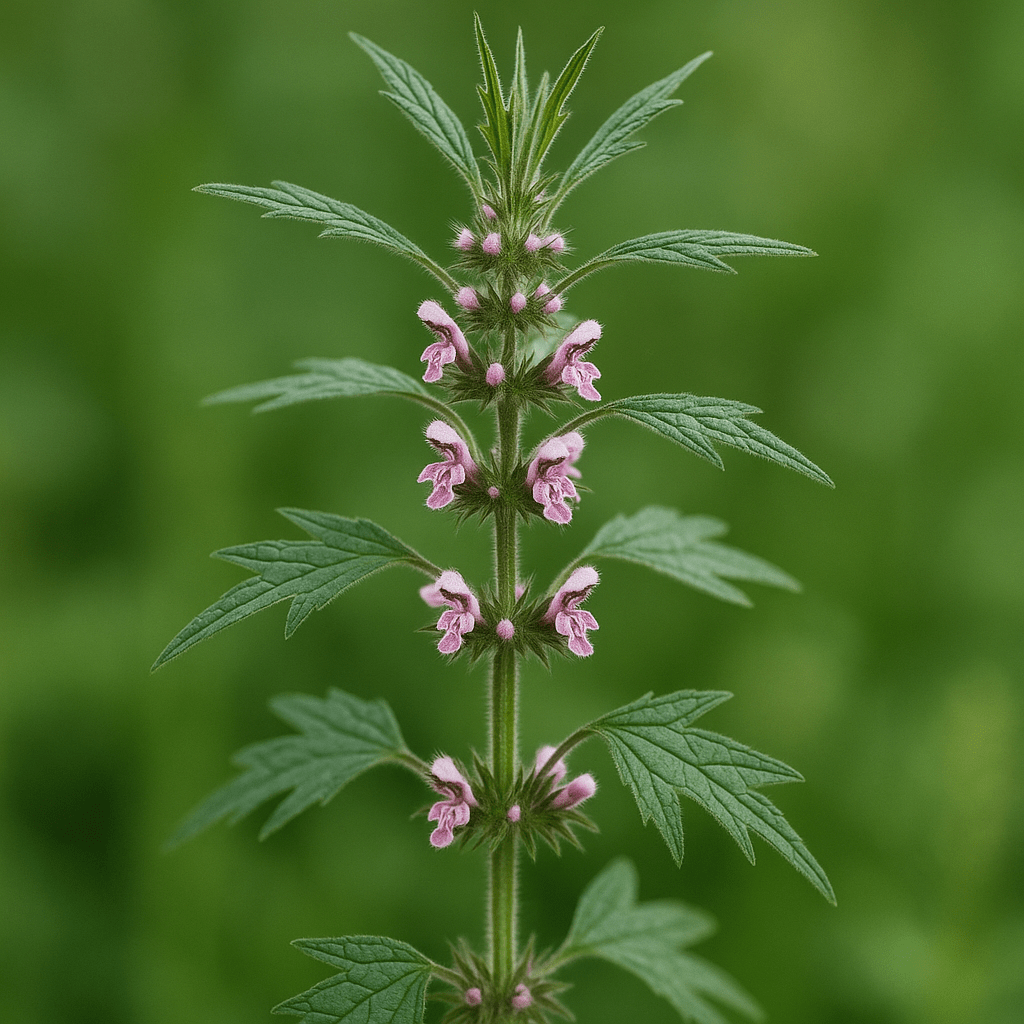
Leonurus, commonly known as Motherwort, is a revered herb in both traditional Chinese and Western herbal medicine. Its Latin name, Leonurus cardiaca, speaks volumes—literally meaning “lion-hearted”—hinting at its historic use in supporting cardiovascular strength and emotional courage. This flowering plant belongs to the mint family and grows widely across temperate regions, where herbalists have long valued its ability to calm both physical and emotional tension. With soft purple flowers and serrated leaves, it’s as visually soothing as it is medicinally potent.
One of Motherwort’s most recognized benefits is its powerful support for heart health. It is known to act as a mild hypotensive, helping to reduce blood pressure, calm heart palpitations, and regulate heart rhythm, particularly when stress or anxiety is involved. Its gentle action on the circulatory system makes it a choice remedy for individuals dealing with high-stress lifestyles or emotionally induced cardiovascular symptoms. By enhancing blood flow and easing tension in the nervous system, Leonurus becomes a potent ally in maintaining inner calm and cardiac balance.
Beyond its cardiovascular properties, Leonurus is also celebrated for its effect on the female reproductive system. Traditionally used to ease menstrual discomfort, reduce cramps, and support hormonal balance, it is often referred to as a “woman’s herb.” It has been used to bring relief during difficult PMS episodes and even to support postpartum recovery. By helping to ease uterine spasms and balance mood swings, Motherwort offers nurturing support that echoes its name—like a gentle embrace from Mother Nature herself.
Energetically, Leonurus is both grounding and uplifting. Its calming effect on the nervous system makes it an ideal herbal companion for those struggling with anxiety, insomnia, or emotional overwhelm. In Taoist and holistic traditions, it is considered a heart-anchoring herb that brings the Shen—the spirit—back to stillness. In today’s chaotic world, Motherwort stands as a quiet yet fierce guardian of emotional resilience, spiritual ease, and physiological harmony. As both a tonic for the heart and a balm for the soul, Leonurus continues to live up to its ancient reputation.
Gardenia, a fragrant flower long revered in traditional Chinese medicine, offers a potent array of healing benefits that extend far beyond its delicate beauty. Known as Zhi Zi in Chinese herbal texts, Gardenia is most commonly used to clear internal heat and calm irritability. Its cooling nature helps reduce inflammation, making it especially useful for conditions like fever, urinary tract infections, and skin eruptions. It also aids in liver detoxification, helping to regulate emotions and ease tension—both physical and emotional.
Beyond its cooling properties, Gardenia contains active compounds such as genipin and crocin, which have been shown to possess powerful anti-inflammatory, antibacterial, and antifungal effects. These compounds support immune function and help the body resist infections, while promoting faster healing from wounds and infections. Gardenia’s bitter yet aromatic character makes it a valuable herb for treating digestive imbalances, especially those involving heat or stagnation in the stomach and intestines.
From a Taoist and energetic perspective, Gardenia is considered a harmonizer of the Shen (spirit) and the Qi (vital energy). Its aromatic nature uplifts the mood, reduces anxiety, and helps restore emotional balance, especially when stress becomes toxic. Often used in herbal teas or tinctures, Gardenia gently supports both the mind and body, making it a beloved ally in the pursuit of harmony, vitality, and inner peace.


 davidorman.com