Privet Fruit: A Potent Ally for Longevity and Immunity

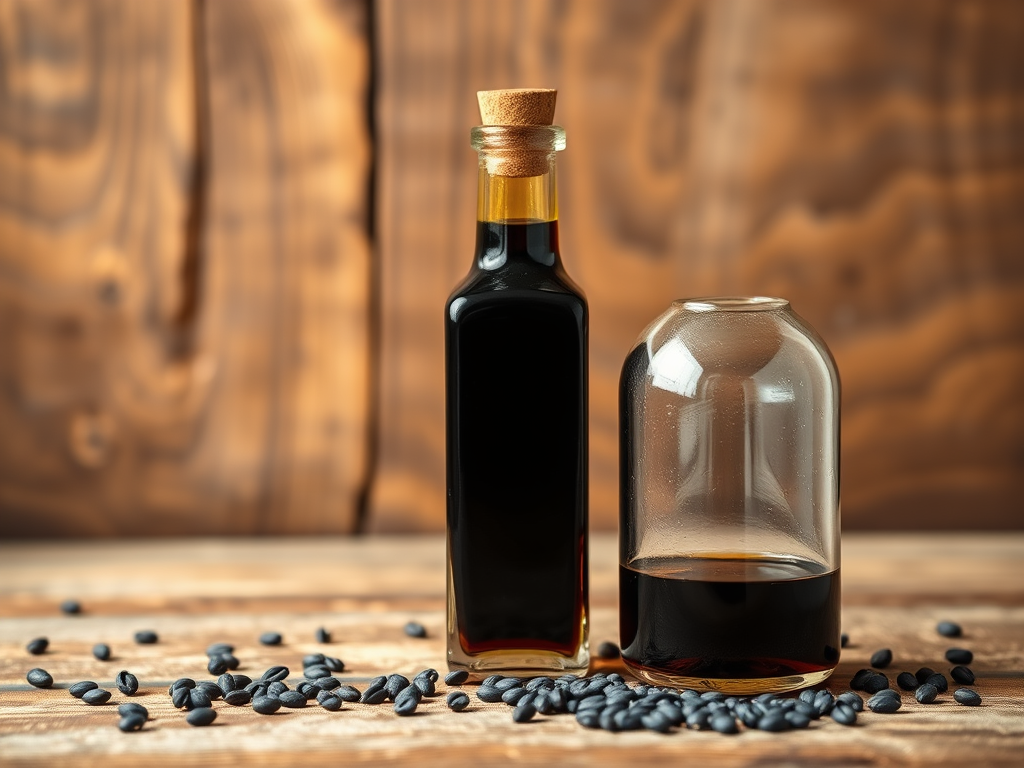
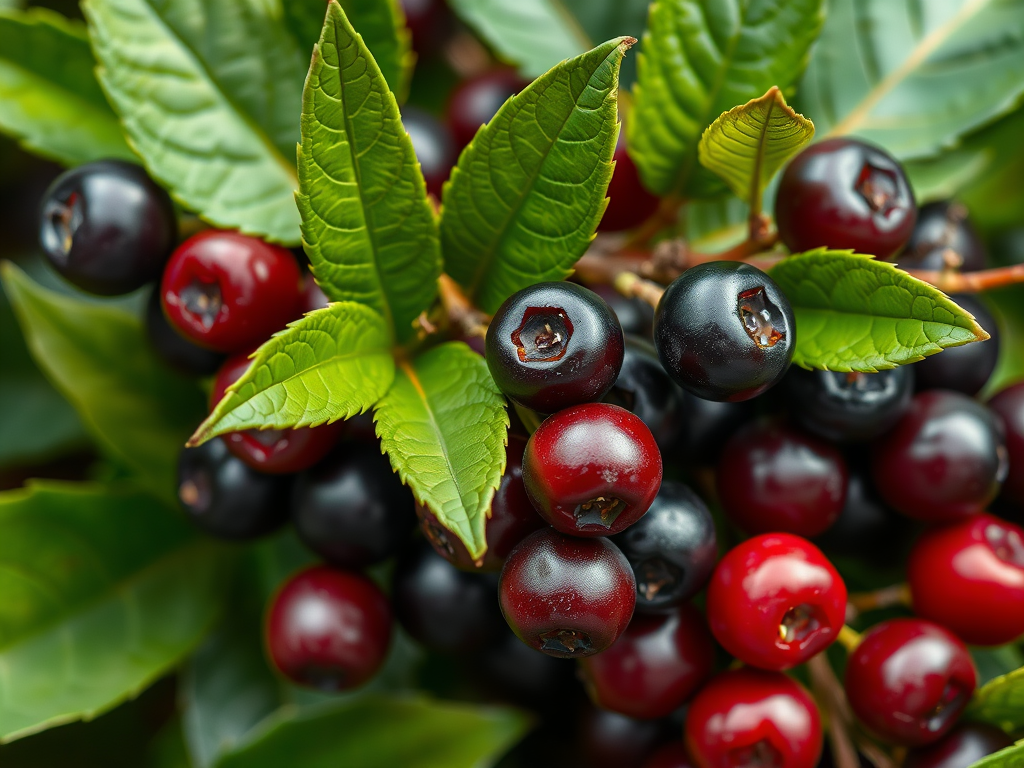
Privet fruit, also known in Traditional Chinese Medicine as Nu Zhen Zi, is a small, glossy black berry harvested from the Ligustrum lucidum plant. Long revered for its restorative properties, this herb is especially valued for its ability to nourish the liver and kidneys—organs central to vitality and aging in Eastern medicine. Often prescribed for symptoms like dizziness, blurred vision, premature graying of hair, and tinnitus, privet fruit has earned its place as a staple in formulas that support longevity and balance.

One of its most praised effects is on the immune system. Privet fruit contains powerful antioxidant compounds, including oleanolic acid, which may help protect cells from oxidative stress and promote healthy immune responses. Modern studies suggest that its compounds exhibit anti-inflammatory and even anti-cancer potential, although further human research is needed to validate these findings. In traditional herbalism, it’s often combined with herbs like Eclipta and Goji to enhance its adaptogenic qualities and support the body during times of chronic stress or depletion.

Energetically, privet fruit is considered cooling and nourishing, making it ideal for those suffering from “yin deficiency”—a state associated with overexertion, insomnia, dry skin, and fatigue. Unlike many stimulating herbs, it works subtly, building strength over time without taxing the system. As such, it’s frequently used in post-illness recovery or as part of an anti-aging tonic for those seeking to restore their deep energy reserves. Its ability to support both the physical and emotional foundation of health underscores its value in long-term wellness regimens.

Whether consumed as a tea, tincture, capsule, or as part of a larger tonic formula, privet fruit offers a gentle but profound healing potential. As always, it should be used under the guidance of a knowledgeable practitioner—particularly for individuals with sensitive digestive systems or those on medications. In an era where true rejuvenation is rare, this humble berry reminds us of nature’s quiet power to restore harmony and vitality from the inside out.

Natural Health Question of the Week

What ancient remedy or forgotten natural ingredient was once used to promote dream clarity—and could it still have relevance in modern holistic sleep support?

Throughout history, many traditional cultures valued dreams as sacred messages or diagnostic tools for health and spiritual guidance. Among them, ancient Egyptians, Taoist sages, and Native American tribes all used specific herbs and rituals to enhance dream clarity. One such ingredient is Calea zacatechichi, also known as the “Dream Herb,” used by the Chontal people of Mexico. They believed it could open the gateway to vivid, meaningful dreams and even induce lucid dreaming. Another lesser-known substance is mugwort, a common herb in European and Asian folk medicine, often used in teas or placed under pillows to stimulate dreams and spiritual visions.

In modern natural health, these dream-enhancing botanicals are resurfacing—not as mystical tools, but as gentle allies in sleep support. Many people today suffer from fragmented sleep or a complete disconnect from their dream life due to high stress, blue light exposure, and poor sleep hygiene. Using herbs like mugwort, blue lotus, or even passionflower in low doses, alongside mindfulness practices and sleep ritual rebalancing, can reawaken the dream state and improve overall restfulness. These botanicals may gently nudge the nervous system toward parasympathetic (rest-and-digest) dominance, allowing the subconscious to express and heal through dreams.

While more research is needed to validate their efficacy in clinical terms, these ancient remedies remind us that the boundary between sleep and wakefulness, mind and body, isn’t as fixed as modern medicine suggests. Natural dream allies may not only promote deeper sleep but also reconnect us to parts of ourselves long forgotten in the noise of daily life. Integrating these herbs with practices like journaling, Taoist dream yoga, or simply sleeping with intention could make sleep not just restful, but restorative on every level.

Ask Me Anything Wednesday for July 2, 2025

QUESTION: What forgotten or lesser-known ancient remedy—once used by indigenous cultures but now rarely discussed—could hold the key to solving a modern chronic illness without pharmaceuticals?

ANSWER: One such forgotten remedy is pitcher plant extract (Sarracenia purpurea), a carnivorous plant once used by Native American tribes, particularly in the northeastern regions of North America. The Cree and Mi’kmaq people used the root and fluid of this plant to treat conditions ranging from smallpox to digestive disorders. It was believed to possess potent antiviral and immune-stimulating properties, and anecdotal reports suggest it offered relief from systemic infections at a time when modern medicine didn’t exist.

In the modern era, pitcher plant has largely vanished from mainstream health conversations. Yet recent interest has quietly reignited among herbalists and integrative physicians who are exploring its application for viral diseases and inflammation-based conditions such as fibromyalgia or post-viral fatigue. Research is limited, but preliminary studies have hinted at antiviral effects against certain herpes strains. The plant’s unique chemical structure—rich in secondary metabolites and enzyme inhibitors—may help regulate immune overreactions, a critical component in many autoimmune disorders.

What makes pitcher plant especially compelling is that it works on both the immune and digestive systems—two foundational aspects of natural health. Unlike pharmaceutical antivirals that often suppress symptoms, this remedy seems to modulate the system holistically, allowing the body to recalibrate itself. Because many modern chronic illnesses stem from immune dysregulation and gut disruption (like IBS, Hashimoto’s, or chronic fatigue syndrome), Sarracenia’s dual action could offer a forgotten yet potent route to true systemic healing.

Reviving such remedies isn’t just an academic exercise—it reflects a broader question about what wisdom has been overlooked in our rush toward synthetic solutions. Nature often whispers what labs shout. The pitcher plant, like many ancient botanicals, beckons us to reconsider what healing means when it aligns with the rhythms and intelligence of the Earth. Exploring its potential requires both reverence and rigorous study—but it could very well be one of nature’s buried treasures waiting to be rediscovered.

Ramulus Cinnamomi: The Great Digestive Warmer

Ramulus Cinnamomi, known in Traditional Chinese Medicine (TCM) as Gui Zhi, is the tender twig of the cinnamon tree. While many are familiar with cinnamon bark for its culinary uses, the twig itself holds a special place in classical herbal formulas. Harvested when the branches are young and pliable, Ramulus Cinnamomi is considered warm, sweet, and pungent in nature—making it a versatile remedy for a range of internal cold patterns and stagnation issues. In TCM, it is frequently used to release the exterior and promote the flow of Yang energy, especially in cases where the body struggles to circulate warmth.

One of Gui Zhi’s primary functions is to disperse cold and improve circulation. In clinical use, it is often included in formulas to relieve chills, mild fevers, and body aches associated with wind-cold invasion. It excels at guiding the body’s natural warmth outward, unblocking the superficial layers so that pathogenic influences can be vented through the skin. Gui Zhi is also known for its ability to harmonize the relationship between Ying (nutritive) and Wei (defensive) Qi—making it especially useful for conditions where this balance is disrupted, such as spontaneous sweating or alternating hot and cold sensations.

Beyond its effects on the immune and circulatory systems, Ramulus Cinnamomi also warms the channels and is used to treat joint and menstrual pain caused by cold obstruction. In formulas targeting arthritic pain, cramps, or cold-related stiffness, Gui Zhi helps warm and open the meridians, restoring fluid movement and relieving discomfort. This function also makes it a favorite for treating cold-type dysmenorrhea, where warmth and improved flow are essential. Often combined with herbs like Bai Shao (White Peony) or Sheng Jiang (Fresh Ginger), Gui Zhi works gently yet powerfully to bring heat to cold, stagnant areas.

In terms of emotional and energetic use, Gui Zhi is often used by Taoist and classical practitioners to soften inner rigidity and promote emotional fluidity. As a plant that brings warmth and movement, it is seen as a metaphor for the gentle activation of blocked energy within the spirit. When used skillfully, Ramulus Cinnamomi not only treats physical cold, but also acts as a botanical ally to help the body and heart regain flow, warmth, and harmony. Whether used in decoction, powder, or classical formulation, Gui Zhi remains a cornerstone of elegant herbal medicine.

A New Chapter

I’ve come to understand the importance of letting people evolve. It’s easy to freeze someone in time, to define them by who they once were or what they once did. But the truth is, we all carry outdated versions of ourselves—echoes of choices made from pain, ignorance, or fear. We are constantly changing, even when that growth is invisible to the outside world.

Everyone has moments they’d rather not be remembered for. A single action, a single word, can become a person’s permanent label in someone else’s memory. I’ve seen how harshly people are judged, how their worst mistake becomes the only lens through which they’re viewed. It’s a cruel kind of imprisonment—to be held forever accountable for a version of yourself that no longer exists.

But life is movement. People shed old skin, outgrow old beliefs, and stumble their way into deeper understanding. They make amends, they shift course, they do the hard work of becoming someone better. And when they do, they deserve to be seen—not for the person they were, but for the effort they’ve made to grow beyond that.

Timing Matters

Did you know the clock might be just as important as the supplement?
Your body runs on a natural rhythm—called the circadian cycle—and certain health products work better when taken at specific times of day or year. Aligning your intake with these biological windows can dramatically boost absorption, effectiveness, and overall results. Here are 10 unusual but powerful timing facts to enhance your wellness routine.

Vitamin D is best absorbed in the morning when sunlight triggers skin production.

Melatonin supplements are most effective after 9 PM when the body naturally begins winding down.

Probiotics work better before breakfast when stomach acid is low.

Fish oil absorption improves with dinner due to higher fat content in evening meals.

Enzymes like bromelain are strongest taken between meals on an empty stomach.

Ashwagandha calms best when taken in the late afternoon as cortisol dips.

Adaptogens like Rhodiola are more energizing before 10 AM and may disturb sleep if taken late.

Magnesium helps most at night by syncing with natural muscle relaxation.

Vitamin C uptake increases during early activity hours when metabolic rate rises.

Turmeric (curcumin) is more bioavailable when taken with dinner and black pepper due to digestive and absorption patterns.

Timing isn’t just for meetings or meals—it’s a hidden key to unlocking the full power of your health regimen. By syncing your supplements with your body’s natural rhythm, you go from guessing to precision healing. Try adjusting your schedule and watch what happens. Your body already knows the timing. Now you do too.

Chinese Skullcap: A Potent Herb for Modern Healing

Chinese Skullcap (Scutellaria baicalensis) has been revered for centuries in Traditional Chinese Medicine for its powerful therapeutic properties. Rich in bioactive flavonoids like baicalin and wogonin, this herb is best known for its anti-inflammatory, antioxidant, and neuroprotective effects. It’s commonly used to treat conditions related to excess heat and inflammation in the body, making it an effective remedy for fevers, respiratory infections, and gastrointestinal distress. Its ability to calm and cool the body has earned it a central role in herbal formulas for detoxification and immune support.

Beyond its use in traditional detox protocols, Chinese Skullcap is gaining attention for its cardiovascular and neurological benefits. Studies show it may help reduce high blood pressure and protect the lining of blood vessels, supporting overall heart health. It also exhibits strong anti-anxiety effects by modulating GABA receptors in the brain, offering a natural solution for stress-related conditions without the sedative effects of many pharmaceuticals. For individuals experiencing chronic stress or sleep disturbances, this herb can provide a gentle, balancing influence on the nervous system.

Additionally, Chinese Skullcap plays a role in modern integrative medicine for its potential anticancer and liver-protective actions. Its flavonoids are being researched for their ability to inhibit tumor growth and protect liver cells from damage caused by toxins or viral infections. When used as part of a comprehensive wellness protocol, this herb not only aids in symptom relief but also contributes to long-term healing and prevention. Whether you’re addressing inflammation, anxiety, or overall immune resilience, Chinese Skullcap stands out as a natural, multi-functional powerhouse.

Natural Health Question of the Week for June 27 2025

Question:
Can eating certain herbs or foods naturally boost the body’s production of serotonin?

Answer:
Yes, certain herbs and foods can naturally support the body’s production of serotonin, the neurotransmitter often linked to mood, sleep, and overall well-being. While serotonin itself isn’t found in food, its precursor, tryptophan, is—an amino acid the body uses to make serotonin. Foods like turkey, eggs, pumpkin seeds, oats, and bananas are rich in tryptophan and help create the internal conditions for serotonin synthesis, especially when combined with healthy carbohydrates.

In natural medicine, herbs like Rhodiola rosea, Ashwagandha, and St. John’s Wort have been shown to influence serotonin pathways. St. John’s Wort, for example, is often used as a natural antidepressant and works by increasing the availability of serotonin in the brain. Adaptogenic herbs like Rhodiola and Ashwagandha support the adrenal system and reduce cortisol, which indirectly helps balance mood and allows serotonin to have a stronger, more stable effect.

Lifestyle also plays a key role. Regular sunlight exposure increases serotonin levels naturally by stimulating production in the brain. Movement—especially brisk walking or gentle forms of exercise like Qigong—further boosts serotonin. So while diet and herbs lay the foundation, combining them with simple daily habits creates a powerful, natural protocol for improving mood and emotional health.

Spirulina: Nature’s Ancient Superfood

Spirulina is a blue-green algae that has been consumed for centuries due to its exceptional nutritional value and health benefits. Originating from alkaline lakes and warm, mineral-rich waters, this microscopic organism is often called a “superfood” because it contains an extraordinary concentration of protein, vitamins, and minerals. Just a small amount of spirulina delivers a broad spectrum of nutrients, including B vitamins, iron, magnesium, potassium, and essential amino acids, making it an excellent supplement for those seeking vitality and balance through natural means.

One of spirulina’s most profound benefits lies in its ability to detoxify the body, particularly from heavy metals such as arsenic, lead, and mercury. In parts of the world where arsenic-contaminated water poses a health hazard, spirulina has shown promise in reducing the toxic load on the liver and kidneys. Its high chlorophyll content also assists in cleansing the blood, while the phycocyanin compound found in spirulina has been shown to protect cells from oxidative damage and support healthy inflammation levels. This makes it especially valuable for those dealing with environmental toxins, inflammation, or sluggish digestion.

Spirulina also supports immune function and energy production. It stimulates white blood cell activity, enhances antibody responses, and has been shown to improve endurance in athletes. Many individuals who supplement with spirulina report increased mental clarity, improved stamina, and better skin health. These effects are believed to be due in part to the bioavailable iron and B12-like compounds present in the algae, which help combat fatigue and boost red blood cell production naturally.

While often overlooked in mainstream nutrition, spirulina holds a sacred place in ancient healing traditions. From the Aztecs who harvested it from Lake Texcoco to modern naturopaths and herbalists, its power is now being rediscovered and respected. As with all powerful natural remedies, quality matters—look for organic, lab-tested spirulina grown in clean environments. Used wisely, this ancient algae can serve as a quiet force for renewal in a world that desperately needs detoxification, nourishment, and deep healing.

AMA for June 25, 2025

QUESTION: Can the health of your tongue reveal hidden imbalances in your body, and how can natural medicine interpret it?

ANSWER: Yes, the tongue is considered a powerful diagnostic tool in natural medicine, particularly in Traditional Chinese Medicine (TCM) and Ayurvedic systems. Far beyond just tasting food, the tongue reflects the internal condition of your organs, energy levels, and even emotional state. By observing its color, shape, coating, and moisture, practitioners can detect imbalances before they become full-blown diseases.

For example, a pale tongue often suggests blood or Qi deficiency—signs of fatigue, cold limbs, or weakness. A red tip may indicate heart fire, commonly linked to anxiety or insomnia. A thick yellow coating could reflect damp heat in the digestive system, possibly showing up as bloating, skin issues, or a sluggish liver. Cracks, teeth marks, or trembling can also point to specific dysfunctions, all of which give practitioners deeper insight into the root cause of symptoms.

Natural medicine doesn’t stop at diagnosis—it uses tongue observations to guide treatment. Herbal formulas are tailored to the specific patterns seen. For example, a patient with a swollen tongue and white coating may receive warming, damp-resolving herbs like ginger or magnolia bark. Acupuncture points are chosen to clear heat, tonify deficiencies, or harmonize digestion based on what the tongue reveals. Lifestyle suggestions, such as warming foods or stress reduction, are also adapted accordingly.

By learning to observe your own tongue each morning—ideally before brushing—you can begin to track your inner landscape. Natural medicine invites you to see the tongue not as a passive muscle but as a living map of your health. With this simple yet profound tool, healing becomes more intuitive, personalized, and proactive.