
Functional Foods: The Future of Everyday Wellness

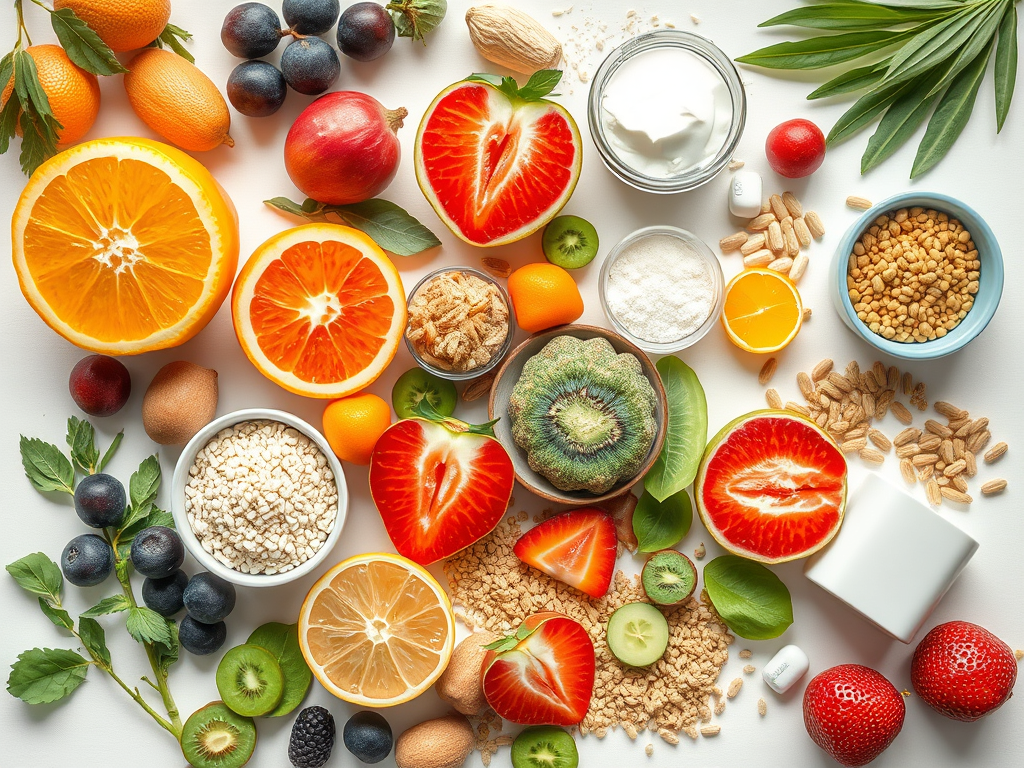
Functional foods are everyday consumables enhanced to offer health benefits beyond basic nutrition. Unlike standard foods, these are designed to support bodily functions, prevent disease, or promote optimal health. Common examples include probiotic yogurts, omega-3 enriched eggs, fortified cereals, and drinks with added collagen or adaptogens. Originating from ancient practices like traditional Chinese and Ayurvedic medicine, the concept has gained global traction as modern science validates the healing potential of food.

The benefits of functional foods are wide-ranging and often profound. Probiotics can enhance gut health and immunity. Fortified products can address common nutrient deficiencies, such as vitamin D or iron. Superfoods like turmeric may reduce inflammation, while fiber-rich whole grains support cardiovascular and digestive wellness. Increasingly, functional foods are becoming a preferred alternative to pharmaceuticals for chronic issues like fatigue, joint pain, and high cholesterol—appealing to those seeking natural, preventive approaches.

However, functional foods aren’t without cautionary notes. Over-reliance can lead to imbalanced diets, especially if consumers mistakenly believe that fortified or enhanced foods can replace whole, fresh options. Some additives, like excessive caffeine, sugar alcohols, or synthetic vitamins, may cause digestive issues or interfere with medications. Misleading marketing can also blur the line between genuinely beneficial foods and hype-driven products with minimal clinical backing.

Despite the risks, functional foods represent an exciting evolution in personal wellness. When chosen wisely and incorporated into a balanced diet, they empower individuals to take an active role in their health using everyday meals. As demand continues to rise, the future will likely see even more innovations—where food isn’t just fuel, but a daily dose of healing.

Magnesium: The Master Mineral for Health and Healing

Magnesium is one of the most vital minerals in the human body, involved in over 300 enzymatic reactions. It supports everything from muscle function and nerve conduction to energy production, DNA synthesis, and heart rhythm regulation. Despite its importance, magnesium deficiency is common due to soil depletion, processed diets, stress, and certain medications. Symptoms of deficiency can include fatigue, irritability, muscle cramps, anxiety, and even irregular heartbeat.

Magnesium is often recommended for a wide range of health conditions including insomnia, high blood pressure, migraines, PMS, constipation, and anxiety. It also plays a key role in regulating calcium and potassium levels and supports bone health, making it essential for both structural and functional wellness. Because it’s involved in cellular detoxification, it’s also a favorite among natural medicine practitioners for aiding in liver function and reducing inflammation.

There are multiple forms of magnesium, each with different absorption rates and specific uses. Choosing the right type is key to getting optimal results. Here’s a breakdown of the most popular forms and what they’re best used for:

Types of Magnesium & Uses:

  • Magnesium Glycinate – Best for anxiety, insomnia, muscle relaxation; highly bioavailable and gentle on the stomach.
  • Magnesium Citrate – Ideal for constipation and bowel regularity; has a mild laxative effect.
  • Magnesium Malate – Great for chronic fatigue and fibromyalgia; supports energy production.
  • Magnesium Threonate – Enhances cognitive function and memory; crosses the blood-brain barrier.
  • Magnesium Oxide – Used for acid reflux and short-term constipation; lower absorption but cost-effective.
  • Magnesium Chloride – Well-absorbed and supports detoxification and metabolism; can be used topically.
  • Magnesium Sulfate (Epsom salts) – Common in baths for muscle soreness, stress relief, and detox.
  • Magnesium Lactate – Gentle on the stomach; good for those needing long-term supplementation.

Choosing the right magnesium form depends on your specific health goals. Always consult with a knowledgeable practitioner to determine the appropriate dosage and type for your needs.

Is It Really Safe

Recent Studies Reveal The Truth About Marijuana

Recent research underscores the potential risks of cannabis use on brain health, particularly among young adults and heavy users. A study from McGill University, led by Dr. Romina Mizrahi and PhD student Belen Blasco, utilized advanced brain imaging to examine 49 individuals aged 16 to 30, some of whom were at high risk for psychosis. The findings revealed that cannabis use was associated with decreased synaptic density in critical brain regions such as the prefrontal cortex, anterior cingulate cortex, and striatum—areas vital for cognitive and emotional functions. Dr. Mizrahi noted, “Cannabis appears to disrupt the brain’s natural process of refining and pruning synapses, which is essential for healthy brain development.”

Complementing these findings, a large-scale study published in JAMA Network Open analyzed data from 1,003 adults aged 22 to 36. The research indicated that 63% of heavy lifetime cannabis users—defined as those who had used cannabis over 1,000 times—exhibited reduced brain activity during working memory tasks. Similarly, 68% of recent users showed comparable impairments. These deficits were most pronounced in the dorsolateral prefrontal cortex, dorsomedial prefrontal cortex, and anterior insula, regions associated with decision-making, memory, and emotional processing. Lead author Dr. Joshua Gowin emphasized the importance of understanding these effects as cannabis use becomes more prevalent globally.

The potential negative effects of cannabis on the brain include:

  • Impaired working memory, affecting the ability to follow instructions or perform calculations.
  • Reduced synaptic density, leading to disrupted communication between neurons.
  • Increased risk of psychosis, particularly in individuals with a predisposition to mental health disorders.
  • Altered brain regions involved in motivation, reward processing, and emotional regulation.
  • Potential long-term cognitive deficits, especially with early and heavy use.

These studies highlight the necessity for further research into the long-term impacts of cannabis on brain health. As Dr. Gowin stated, “By doing so, we can provide a well-rounded understanding of both the benefits and risks of cannabis use, empowering people to make informed decisions and fully comprehend the potential consequences.”

Discover the Power of Ashwagandha

Ashwagandha, a revered herb in Ayurvedic medicine, has earned its title as an adaptogen—a natural substance that helps the body adapt to stress. For centuries, it’s been used to enhance vitality, reduce fatigue, and balance the nervous system. In today’s fast-paced world, ashwagandha has surged in popularity for its ability to regulate cortisol levels, the body’s primary stress hormone. This makes it a go-to herb for reducing anxiety, improving mood, and supporting a calm, centered state of mind.

Beyond its stress-relieving properties, ashwagandha also supports cognitive health. Studies show it may improve memory, focus, and mental clarity, especially in aging populations or individuals experiencing brain fog. Its neuroprotective qualities are linked to its high antioxidant content and ability to support the regeneration of nerve cells. This makes it a smart choice for professionals, students, or anyone looking to enhance mental performance naturally.

Ashwagandha is also known to support physical strength and endurance. It enhances energy levels without overstimulating the body like caffeine-based supplements. Athletes and fitness enthusiasts often turn to it to improve muscle recovery, increase stamina, and balance hormones—particularly testosterone and thyroid function. It’s even been shown to enhance reproductive health in both men and women, making it a holistic tonic for vitality.

Finally, this ancient herb plays a role in immune system support. By reducing inflammation, lowering stress, and improving sleep, ashwagandha helps the body defend itself against illness. Whether taken as a powder, capsule, or tea, consistent use over time allows its full benefits to unfold. As a natural, well-tolerated remedy, ashwagandha remains one of the most versatile and valuable herbs in the modern wellness toolkit.

The Remarkable Benefits of Licorice Root

Licorice root, known botanically as Glycyrrhiza glabra, has been used for thousands of years in traditional Chinese, Ayurvedic, and Western herbal medicine. Its sweet flavor and powerful healing properties make it a staple in both therapeutic and culinary settings. Often used as a soothing agent, licorice is more than just a flavoring—it’s a potent herbal ally with wide-ranging benefits for the body and mind.

One of the most well-known uses of licorice is for digestive support. It has natural anti-inflammatory and demulcent properties, making it highly effective in calming ulcers, acid reflux, gastritis, and other gastrointestinal issues. Licorice helps coat the stomach lining and supports the repair of mucosal tissues. Deglycyrrhizinated licorice (DGL) is often used to avoid potential side effects of whole licorice while still reaping these digestive benefits.

Licorice also plays a significant role in supporting the adrenal glands and managing stress. It helps modulate cortisol levels, making it beneficial for those experiencing fatigue, burnout, or adrenal dysregulation. By gently supporting the body’s stress response system, licorice enhances endurance and resilience during periods of physical or emotional challenge. Its adaptogenic qualities make it a valuable herb for long-term vitality.

In terms of immune function, licorice root offers antiviral, antibacterial, and anti-inflammatory effects. It has shown promise in helping the body fight respiratory infections, including sore throats, bronchitis, and even certain viral strains. The herb also assists in thinning mucus, making it easier to expel, while soothing irritated tissues along the respiratory tract. These immune-modulating effects make licorice a go-to herb during cold and flu season.

While licorice offers many benefits, it should be used mindfully, especially for those with high blood pressure or kidney concerns, as whole licorice can lead to water retention and elevated blood pressure when taken in large amounts over time. Nevertheless, when used appropriately—especially in its DGL form or under the guidance of a skilled herbalist—licorice root is a potent, versatile, and time-honored herb that offers deep healing for digestion, immunity, and overall vitality.

The Gut-Brain Axis: The Hidden Key to Mental Health

The ancient Taoists believed the mind and body were not two separate entities, but one interwoven flow of energy. Today, science is confirming what the sages always knew—our gut is not just a digestive organ, it’s a second brain. This powerful connection is known as the gut-brain axis, a communication superhighway linking the enteric nervous system in our gut to the central nervous system in our brain.

Roughly 90% of serotonin—your body’s “feel-good” neurotransmitter—is produced in the gut. An imbalance in your microbiome, such as from antibiotics, processed foods, or chronic stress, can disrupt this delicate flow and lead to symptoms of anxiety, depression, brain fog, and poor sleep. When the gut is inflamed, the brain often follows suit. This is why true mental clarity and emotional resilience begin not with a pill, but with your plate.

Natural approaches to support the gut-brain axis are both ancient and modern. Fermented foods like kimchi, miso, and kefir replenish beneficial bacteria. Herbal adaptogens such as ashwagandha and holy basil regulate stress response. Practices like Qigong and mindful breathing calm the nervous system and stimulate vagus nerve tone—a vital part of this gut-brain loop. All of these strengthen the harmony between your internal organs and your mind.

We must stop seeing mental health as a purely chemical imbalance in the brain. It is a systemic conversation—one in which your digestive health speaks loudly. When you nourish the gut, you awaken the mind. In this, true healing begins—not from separation, but from integration. The gut-brain axis is not just a scientific term—it is the Tao made visible through biology.

Scientists Stunned: 99% of Nutrition Is Invisible to Us

Let’s dive into something mind-blowing:

Nutrition as we know it… is barely scratching the surface.

You already know real food trumps synthetic supplements — that’s obvious.

But even the most health-conscious among us rarely grasp just how deep the story goes.

For example:

  • Creatine synthesis needs B6, B9, and B12.
  • But B9 doesn’t even work without B12.
  • Choline can reduce your need for both.
  • High zinc blocks copper absorption. Too much copper? It blocks zinc.
  • Magnesium and B6 team up to keep the system alive and humming.

And that’s just a few highlights. The real dance of nutrients is infinitely more intricate.

Here’s where it gets wild:

Scientists just discovered that 99% of what’s in our food is invisible to us.

They’re calling it nutritional dark matter.

Right now, we only recognize about 150 nutrients — proteins, vitamins, minerals.

But real food? It contains over 26,000 distinct biochemicals.
Meaning the nutrition labels we trust only capture about 0.5% of what’s truly there.

The other 99.5%?

Still a total mystery.

Yet your body — this masterpiece of millions of years of evolution — knows exactly how to navigate it.

It doesn’t just need nutrients.
It needs nutrients working together, in perfect ratios, in ways science can barely understand.

For instance:

  • Liver doesn’t just deliver Vitamin A — it delivers retinol, the most usable form, along with the cofactors that make it work.
  • The iron from liver? It’s heme iron, absorbed up to 35% better than synthetic forms — and it shows up with the B vitamins and copper your body needs to actually use it.

This is the deep intelligence of nature.

Real food isn’t just ingredients.
It’s a symphony. A living matrix of forces working together in perfect, silent harmony.

You can’t fake it in a lab.

You can’t hack it with isolated pills.

You can only honor it — and feed your body the way it was meant to be fed.

Because when you give your body the full blueprint nature intended…

It doesn’t just survive.
It remembers how to thrive.

5 Powerful Exercises to (Re)Connect Your Core to Your Back and Eliminate Most Back Pain

Plus ONE Bonus Exercise.

Back pain affects nearly 80% of adults at some point in their lives — a staggering statistic that reflects the disconnection between how we move and how we’re designed to move. Often, the missing link lies in the deep core muscles, which are meant to support and communicate with the spine like an inner scaffold. When that connection is lost, discomfort, instability, and injury follow. These 5 exercises are simple yet powerful tools to restore harmony between your core and your back. Rooted in both modern biomechanics and ancient Taoist awareness, this daily ritual is more than physical—it’s a return to center, breath, and embodied presence.

1. Dead Bug (Core-Brain Reset)

Purpose: Activates deep core (transverse abdominis) while stabilizing the spine.

How-to:

  • Lie on your back, arms extended to the sky, knees bent at 90°.
  • Inhale. On the exhale, slowly lower one arm and the opposite leg toward the floor.
  • Keep your lower back gently pressing into the floor.
  • Return and switch sides. Do 6–8 slow, controlled reps per side.

Feel: Like your brain and core are syncing up. Smooth and precise movement is the goal.


2. Cat-Cow with Diaphragmatic Breathing

Purpose: Mobilizes the spine while syncing breath with movement, calming the nervous system.

How-to:

  • Start in tabletop position.
  • Inhale deeply into your belly and arch your spine (Cow).
  • Exhale fully, rounding your spine and drawing the navel in (Cat).
  • Focus on slow, rhythmic breath.

Feel: The breath massaging your spine from the inside out.


3. Bird-Dog (Cross-Body Control)

Purpose: Trains core stability and strengthens deep spinal stabilizers (multifidus, erector spinae).

How-to:

  • From tabletop, extend one arm and the opposite leg.
  • Keep hips square and stable—avoid shifting or leaning.
  • Hold for 3–5 seconds, then switch. Do 5–8 reps per side.

Feel: The cross-pattern neural wiring activating — reconnecting brain, spine, and core.


4. Wall Press March (Anti-Extension Core Drill)

Purpose: Re-engages the deep core while minimizing back strain. Very safe if you’ve had herniated discs.

How-to:

  • Stand or lie on your back with knees bent and feet on the floor.
  • Press hands into a wall (or resistance band) while lifting one knee to 90°.
  • Alternate knees while keeping constant pressure with your hands.
  • Stay connected to your breath.

Feel: Deep, internal core “firing” without overusing your hip flexors or lower back.


5. Supine Pelvic Tilts or Rolling Bridge

Purpose: Gentle way to realign pelvis, activate glutes, and release tension from lumbar spine.

How-to:

  • Lie on your back with knees bent, feet flat.
  • Inhale, gently arch lower back. Exhale, flatten it and press into the floor.
  • For bridges: Press through your heels and lift hips slowly, peeling spine off floor one vertebra at a time.
  • Lower with control. Do 8–10 slow reps.

Feel: Like you’re massaging the spine from the inside while syncing your breath with movement.


Bonus Taoist Tip:

Before or after, stand in Wu Ji posture (standing meditation): feet shoulder-width apart, soft knees, tailbone gently tucked, and crown lifted. Breathe into the lower dantian. Feel the subtle connection between spine and breath.

As you breathe up, think POWER. As you exhale and breathe down, think GRACE.

This is a Yin/Yang balance. Power is the ability to go through issues while Grace is the ability to deal with issues minus conflict.

Why Your Supermarket Food Is Nutrient-Dead and 3 Herbs That Bring It Back to Life

Have you ever noticed how food from the farmer’s market bursts with flavor compared to its supermarket counterpart? There’s a compelling reason for this difference.​

Much of our modern food supply has been stripped of its vitality. Pasteurized dairy, concentrated fruit juices, refined grains, and out-of-season fruits ripened artificially lack the nutrients they once had. High-heat processing and prolonged storage further degrade their nutritional value.​

By the time these foods reach your plate, many of their nutrients are diminished, offering minimal benefits to your body.​

That’s why we’re committed to preserving the integrity of nutrients, ensuring they remain bioavailable and beneficial.​

We utilize freeze-drying, a method rooted in ancient practices and refined by modern science, to maintain the freshness and potency of organ nutrients. This technique, reminiscent of the Incas’ preservation methods, involves four precise steps: pretreatment, freezing, primary drying, and secondary drying.​

Unlike heavily processed supermarket foods, our freeze-dried organs retain their natural vitality, delivering pure, living nutrition as nature intended.​

To further enhance nutrient absorption and support overall health, consider incorporating these three potent herbs into your diet:

  1. Parsley: Rich in vitamins A, C, and K, parsley supports immune function, bone health, and acts as a natural diuretic, aiding in detoxification.
  2. Turmeric: Containing the active compound curcumin, turmeric offers powerful anti-inflammatory and antioxidant properties, supporting joint and heart health.
  3. Ginger: Known for its digestive benefits, ginger also enhances the bioavailability of other nutrients, ensuring your body effectively absorbs the goodness from your food.

By embracing these herbs alongside nutrient-preserving methods like freeze-drying, you can revitalize your diet and experience the full spectrum of benefits that nature has to offer.​

How to Lose Belly Fat Fast: 7 Natural and Effective Strategies

Belly fat isn’t just about looks — it’s often linked to deeper health concerns like insulin resistance, inflammation, and hormonal imbalance. If you’re looking to trim your waistline quickly and naturally, here are seven powerful strategies that work without relying on fad diets or extreme measures.

1. Cut Sugar and Refined Carbs Immediately

Excess sugar (especially from sodas, pastries, and processed foods) turns into visceral fat. Swap out refined carbs like white bread and pasta for whole foods — think quinoa, vegetables, and fruit in moderation.

2. Boost Protein Intake

Protein helps you feel fuller longer and supports lean muscle mass, which burns more calories. Try wild-caught fish, pasture-raised eggs, organic poultry, or plant-based sources like hemp seeds and legumes.

3. Practice Intermittent Fasting

Fasting windows like 16:8 (fast 16 hours, eat during an 8-hour window) allow your body to burn fat more efficiently, balance insulin, and trigger autophagy — your body’s natural cell-cleansing process.

4. Move Your Body Daily — Especially with Core-Activating Workouts

High-intensity interval training (HIIT), Bagua circle walking, rebounding (mini-trampoline), and even brisk walking can melt belly fat. Focus on exercises that activate your core and build overall strength.

5. Reduce Cortisol by Managing Stress

Belly fat and stress are closely linked. Use breathwork, meditation, acupuncture, adaptogenic herbs like Holy Basil and Rhodiola, or Taoist practices to calm the nervous system and restore balance.

6. Improve Sleep Quality

Lack of deep sleep raises cortisol and cravings. Aim for 7–9 hours of restorative sleep. Avoid screens before bed, and try magnesium, chamomile tea, or binaural beats to wind down naturally.

7. Support Digestion and Hormones

Bloating often mimics belly fat. Heal your gut with fermented foods, L-glutamine, dandelion root tea, and avoid common food sensitivities (like gluten or dairy). A balanced microbiome supports fat metabolism and reduces inflammation.


Final Thoughts from Dr. David Orman
Belly fat isn’t just a cosmetic issue — it’s your body’s way of asking for change. By treating the root causes holistically, you create lasting health, inner balance, and a leaner, more vibrant you.

Want more natural health insights?
Visit davidorman.com or email me directly at david@davidorman.com for personalized wellness support.