Your Liver is Begging for Help! 10 Hidden Signs You Need a Detox (and 5 Powerful Supplements to Help)


What Is Your Liver and Why Is It So Important?

Your liver is one of the hardest-working organs in your body, playing a crucial role in metabolism, immunity, digestion, and detoxification. It also stores essential vitamins and assists in enzyme production, making it a key player in your overall well-being.

Accounting for about 2% of an adult’s body weight, the liver is structured around hexagonal lobules—tiny but powerful units with a portal triad at each corner. These triads, made up of the portal vein, hepatic artery, and bile duct, ensure that the liver receives a steady blood supply for its many functions.

At the cellular level, hepatocytes (liver cells) are organized into three zones, each responsible for different metabolic processes like bile production, detoxification, and glucose regulation. This powerhouse organ handles a wide range of tasks, including:

Regulating hormones and digestion
Storing fat-soluble vitamins like A, D, E, and K
Balancing cholesterol levels
Synthesizing proteins essential for blood clotting
Playing a critical role in immune function

Perhaps most importantly, the liver helps metabolize drugs and detoxify harmful substances, transforming lipophilic toxins into hydrophilic forms so they can be excreted. With so many responsibilities, keeping your liver healthy is essential—and liver-supporting supplements can play a key role in maintaining its function.


Signs Your Liver is Crying Out for Help

Your liver works silently, without much complaint. But when it’s under stress, it sends subtle warning signs. If you experience any of the following symptoms, your liver might be begging for extra support:

🔸 Constant fatigue and sluggishness
🔸 White or yellow coating on the tongue
🔸 Chronic bad breath (even with good oral hygiene)
🔸 Unexplained weight gain, especially around the belly
🔸 Frequent cravings and blood sugar crashes
🔸 Headaches that don’t seem to have a clear cause
🔸 Digestive issues, bloating, or sluggish digestion
🔸 Nausea after eating fatty foods
🔸 Extreme sensitivity to strong smells
🔸 Pain or discomfort on the right side of your stomach
🔸 Skin problems like acne, rashes, or dull complexion

Ignoring these signs can lead to more serious liver conditions, including fatty liver disease, metabolic syndrome, diabetes, cirrhosis, and even liver cancer. If you recognize these symptoms, consider making lifestyle changes and adding liver-supportive nutrients to your routine.


5 Best Supplements for Liver Health

Supporting your liver doesn’t have to be complicated. Here are five powerful supplements that can help detoxify and strengthen your liver:

1️⃣ Milk Thistle – One of the most well-known liver-supporting herbs, milk thistle contains silymarin, a potent antioxidant that helps protect liver cells from damage and supports detoxification.

2️⃣ Grass-Fed Beef Liver – Packed with bioavailable vitamins A, B12, iron, and essential amino acids, this superfood provides crucial nutrients that support liver regeneration and function.

3️⃣ Artichoke Leaf Extract – Helps increase bile production, which is essential for breaking down fats and removing toxins. It also supports digestion and protects the liver from oxidative stress.

4️⃣ Turmeric (Curcumin) – This golden spice is a powerful anti-inflammatory and antioxidant that helps reduce liver inflammation and enhance detoxification pathways.

5️⃣ Dandelion Root – A natural diuretic, dandelion root supports liver detox by promoting bile flow and flushing out toxins, aiding digestion and reducing bloating.

Adding a sixth is an herb called Bupleurum. It is more for the emotional side of the liver. I will be writing an article about this in the near future.


Give Your Liver the Care It Deserves!

Your liver is responsible for detoxifying your body every single day, so it’s essential to support it with the right nutrients. If you’re noticing signs of liver stress, consider incorporating these powerful supplements into your daily routine—and don’t forget to maintain a healthy diet, stay hydrated, and minimize exposure to toxins.

Your liver works hard for you. Isn’t it time you returned the favor? 💚

The Multivitamin Scam: Why Real Food Wins Every Time

Industries thrive on false promises. Alkaline water? Check. Detox teas? Check. Lab-grown meat? Definitely check. But one of the biggest scams flying under the radar? Synthetic multivitamins.

They sell the dream: “One pill a day for all your nutrients!” But if that were true, why do nutrient deficiencies remain rampant, even though 1 in 3 Americans take them regularly?

❌ 92% lack Choline – critical for brain function
❌ 88% lack Vitamin E – essential for immune health
❌ 67% lack Vitamin K – needed for bone and heart health
❌ 50% lack Magnesium – vital for over 300 body processes

The reason? Synthetic vitamins aren’t food. They’re isolated, lab-made chemicals, often in forms the body struggles to absorb.

🔸 Iron from steak is heme iron—easily absorbed. But in most multis? Non-heme, poorly utilized iron salts.
🔸 Vitamin A from liver? Ready to use. In multis? It’s beta-carotene, which many people struggle to convert.
🔸 B12 & Folate from whole foods? Bioavailable. In multis? Synthetic versions that many can’t process, leading to potential health risks.

Real food—like eggs, steak, and liver—provides the right co-factors, enzymes, and molecular structures your body actually recognizes and absorbs.

Multivitamins give false confidence while real deficiencies persist. Ditch the synthetic quick fix. Eat like a human.

Better Alternatives:
Desiccated organ supplements – Nature’s multivitamin, packed with bioavailable nutrients.
Bone broth – Rich in minerals, collagen, and amino acids for gut and joint health.
Raw dairy & pastured eggs – Whole food sources of vitamins A, D, K2, and essential fats.

Fuel your body the way nature intended. 🥩🍳🥛

4o

You said:

Increase length of article by 15%

ChatGPT said:

The Multivitamin Scam: Why Real Food Wins Every Time

Industries thrive on false promises. Alkaline water? Check. Detox teas? Check. Lab-grown meat? Definitely check. But one of the biggest scams flying under the radar? Synthetic multivitamins.

They sell the dream: “One pill a day for all your nutrients!” But if that were true, why do nutrient deficiencies remain rampant, even though 1 in 3 Americans take them regularly?

📉 Nutrient Deficiencies in the U.S.:
❌ 92% lack Choline – critical for brain function, metabolism, and liver health.
❌ 88% lack Vitamin E – essential for immune function and cellular repair.
❌ 67% lack Vitamin K – crucial for bone strength and heart health.
❌ 50% lack Magnesium – vital for over 300 biochemical reactions, including muscle and nerve function.

The reason? Synthetic vitamins aren’t real food. They’re isolated, lab-made chemicals, often in cheap, poorly absorbed forms that the body struggles to recognize.

🔎 Let’s Break It Down:

🔸 Iron from steak is heme iron—easily absorbed and used by the body. In most multis? It’s non-heme iron, a low-bioavailability form that isn’t nearly as effective.

🔸 Vitamin A from liver? It comes in retinol form—ready to be used immediately. In multivitamins? It’s usually beta-carotene, which your body must convert, but the conversion rate is low—just 3-10%. Many people, especially those with genetic variations, can’t convert enough to meet their needs.

🔸 B12 & Folate from whole foods? Perfectly bioavailable and instantly usable. In multivitamins? The B12 is often cyanocobalamin, a synthetic form that must be converted before the body can use it. And folate is often folic acid, which doesn’t exist in nature and can build up in the bloodstream, especially in people with MTHFR gene mutations, potentially leading to immune dysfunction and other health issues.

🔸 Zinc from food is bound to proteins for easy absorption. In most multis? It’s zinc oxide, a poorly absorbed, industrially synthesized form.

💡 Real Food Wins Every Time

Real food—like eggs, steak, and liver—provides the right co-factors, enzymes, and molecular structures that your body actually recognizes, absorbs, and uses efficiently. Unlike synthetic vitamins, these nutrients come in the perfect ratios, paired with essential enzymes and co-factors that enhance absorption and effectiveness.

Multivitamins give a false sense of security while real deficiencies persist. Simply popping a pill doesn’t mean your body is actually absorbing and using those nutrients effectively.

Ditch the synthetic quick fix. Eat like a human.

Better Alternatives That Actually Work:

Desiccated organ supplements – Nature’s multivitamin, packed with bioavailable vitamins and minerals straight from liver, heart, and kidney. A perfect option if you can’t stomach eating organ meats.
Bone broth – A nutrient powerhouse loaded with collagen, glycine, proline, and minerals essential for gut, skin, and joint health.
Raw dairy & pastured eggs – Whole food sources of vitamins A, D, K2, essential fats, and high-quality protein—exactly what your body craves for optimal health.

Fuel your body the way nature intended.

What I Learned from Elon’s Biography

Elon Musk is undeniably a fascinating individual, regardless of one’s personal opinions about him. I recently listened to a biography about his life and found it incredibly engaging. While some sections—particularly the deep dives into rocket propulsion systems, engineering designs, and other highly technical aspects—didn’t capture my interest, what stood out most was Musk himself. He is undeniably brilliant, with a mind that operates on an entirely different level. His intensity, relentless drive, and perhaps even a touch of social awkwardness or autistic tendencies contribute to his unique way of thinking and problem-solving.

What struck me most were the principles he embodies—many of which can be applied to success in any field. Here are the key takeaways I found most valuable:

1. Be Relentless – Persistence Overcomes Everything

Many people assume that success is reserved for those with exceptional intelligence, resources, or talent. However, history proves that relentless persistence is often the greatest determining factor. Musk has faced numerous failures—rockets exploding, near bankruptcy, public skepticism—but he refuses to quit. He keeps pushing forward, learning, iterating, and trying again.

How to apply it:

  • Develop a mindset that refuses to accept failure as final.
  • Treat setbacks as learning experiences rather than roadblocks.
  • Keep showing up, even when progress feels slow or nonexistent.
  • Cultivate resilience by setting small, daily challenges that push your limits.

2. Master the Art of Focus – One Goal at a Time

Musk often describes his thinking process as “first-principles reasoning,” meaning he breaks problems down to their fundamental truths and focuses deeply on solving them. He is known for going all in on a singular vision—whether it’s electric cars, space travel, or artificial intelligence—until he cracks the code.

How to apply it:

  • Prioritize one major goal at a time instead of juggling multiple unrelated projects.
  • Eliminate distractions—both digital (social media, notifications) and mental (self-doubt, multitasking).
  • Schedule deep work sessions where you focus solely on one task.
  • Align daily actions with your long-term mission.

3. See Obstacles as Temporary – Solutions Exist for Every Problem

When Tesla and SpaceX were on the brink of collapse, Musk refused to let obstacles dictate the future. Instead of seeing problems as reasons to stop, he viewed them as challenges to be solved.

How to apply it:

  • Shift your perspective: Instead of saying, “This is impossible,” ask, “What would make this possible?”
  • View problems as puzzles, not permanent barriers.
  • Break overwhelming challenges into smaller, solvable pieces.
  • Remind yourself that even the most successful people have faced (and overcome) enormous obstacles.

4. Dream Big, Act Bigger – Ambition Without Action is Useless

Musk isn’t just a dreamer—he takes massive action. He doesn’t just talk about colonizing Mars; he builds rockets. He doesn’t just wish for sustainable energy; he creates companies that make it happen.

How to apply it:

  • Set goals so big they make you a little uncomfortable.
  • Take decisive action daily, even when you’re not sure it will work.
  • Learn by doing, not just by planning or theorizing.
  • Surround yourself with people who think big and push boundaries.

5. Underpromise, Overdeliver – Build Trust and Exceed Expectations

While Musk is known for ambitious timelines (that often get delayed), his ultimate results tend to exceed expectations. His goal isn’t just to meet industry standards but to redefine them entirely.

How to apply it:

  • Always aim to deliver more value than expected.
  • Set high standards for yourself, then push to go beyond them.
  • Surprise people by going the extra mile in work, relationships, and commitments.
  • Never settle for mediocrity—turn good into great.

6. Refuse to Accept No – Every Barrier Has a Workaround

When SpaceX was blocked from launching rockets from U.S. government sites, Musk found a way to secure private launch facilities. When Tesla faced supply chain issues, he pivoted and built solutions in-house. He refuses to accept external limitations as permanent.

How to apply it:

  • Challenge assumptions—just because something has “never been done before” doesn’t mean it’s impossible.
  • When told “no,” ask “Why not?” and “How can I make it work?”
  • Get creative with problem-solving; there’s always another approach.
  • Persist until you find an alternative route.

7. Be a Visionary – See the Future Before Others Do

Musk’s success stems from his ability to anticipate what the world will need in 10, 20, or even 50 years. Electric vehicles, space exploration, and AI weren’t mainstream when he started investing in them, but he saw where things were heading.

How to apply it:

  • Train yourself to think long-term—where is your industry or passion headed?
  • Study trends, emerging technologies, and shifting cultural mindsets.
  • Be willing to take calculated risks before others recognize opportunities.
  • Imagine possibilities that seem outlandish today but could be normal tomorrow.

8. Own Your Outcomes – Full Responsibility Equals Full Control

Musk doesn’t blame others when things go wrong—he takes ownership. If a Tesla model underperforms, he doesn’t point fingers at employees; he gets involved in fixing the issue himself.

How to apply it:

  • Take 100% responsibility for your successes and failures.
  • Avoid excuses and focus on solutions.
  • If something isn’t working, change your approach rather than waiting for external factors to shift.
  • Accept that your life is shaped by your choices, not by circumstances.

9. Build from Within – Control as Much as Possible

Tesla and SpaceX don’t outsource their most critical components—they build them in-house. This allows for better quality control, cost efficiency, and innovation.

How to apply it:

  • Develop self-sufficiency—learn skills instead of relying on others for everything.
  • Control the core aspects of your business or personal goals.
  • Reduce dependency on external factors whenever possible.
  • Invest in building expertise so you’re not at the mercy of third parties.

10. Drive Down Costs, Increase Value – Make Things More Accessible for Everyone

Musk’s mission isn’t just about making profits—it’s about making groundbreaking technology affordable. He aims to bring down the cost of space travel, electric vehicles, and renewable energy so more people can benefit.

How to apply it:

  • Look for ways to increase efficiency in your work and life.
  • Find creative solutions to do more with less.
  • Add value to people’s lives in ways that are scalable and accessible.
  • Focus on impact rather than just financial gain.

Final Thoughts: Adopting a High-Impact Mindset

Musk’s approach to life and business may be extreme, but there’s a reason he’s been able to disrupt multiple industries. While we may not all be launching rockets or revolutionizing the automotive world, the mindset he embodies—relentless drive, unshakable focus, visionary thinking, and refusal to accept limitations—can be applied to any endeavor.

Whether you’re an entrepreneur, coach, martial artist, or wellness expert, these principles offer a roadmap for achieving extraordinary results. The question is: How will you apply them to your own journey?

Understanding Gut Health and the Microbiome: Natural Solutions for a Happier Belly

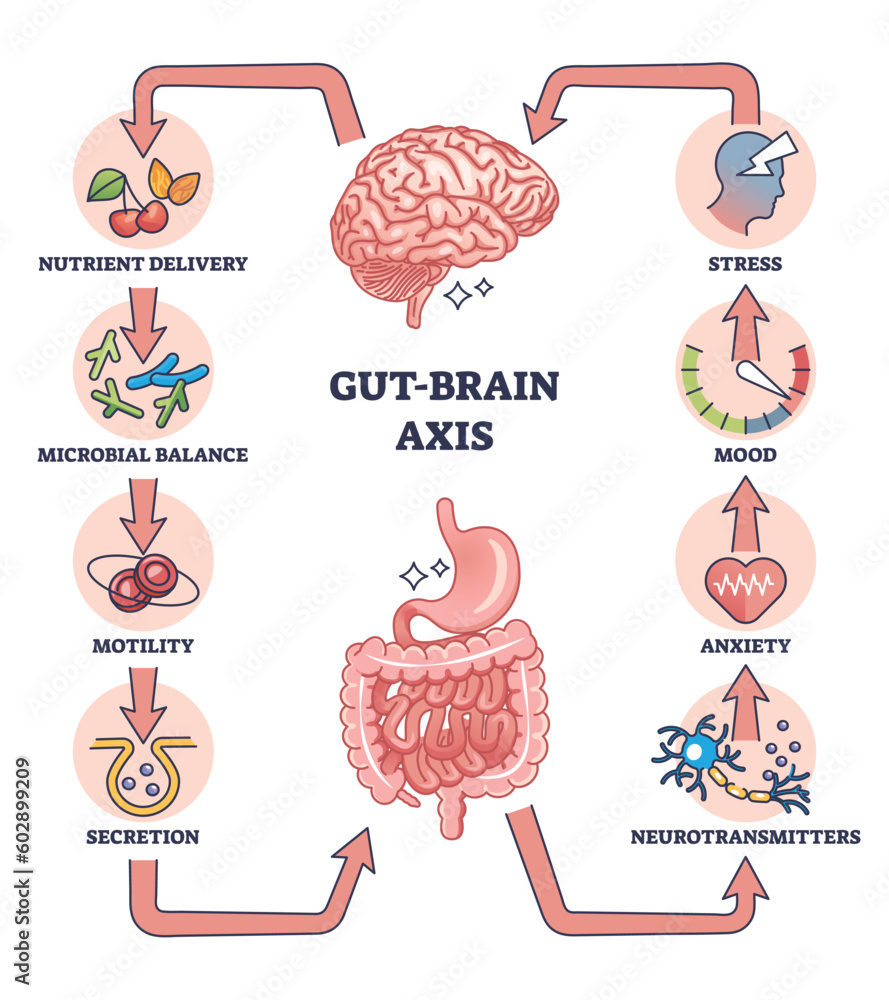
In recent years, the term “gut health” has become a buzzword in health and wellness circles, and for good reason. Your gut is home to trillions of microorganisms, including bacteria, fungi, and viruses, which make up what is known as your microbiome. These tiny organisms play a crucial role in digesting food, absorbing nutrients, and even supporting your immune system and mental health. When the balance of your microbiome is disrupted, it can lead to a variety of issues, including digestive problems, low energy, skin conditions, and even mood disturbances. That’s why taking care of your gut health has become a top priority for many people looking to feel better from the inside out.

One natural way to support gut health is by incorporating probiotics into your diet. Probiotics are live beneficial bacteria that help maintain a healthy balance in your microbiome. Foods like yogurt, kefir, sauerkraut, and kimchi are rich in probiotics, which can help replenish the good bacteria in your gut, especially after an antibiotic treatment or an imbalance caused by poor diet. Probiotic supplements are also widely available for those who may not consume enough of these foods regularly.

Another great natural solution for improving gut health is adding prebiotics to your diet. Prebiotics are types of fiber that feed and nourish the beneficial bacteria in your gut, encouraging them to thrive. Foods like garlic, onions, bananas, and whole grains are excellent sources of prebiotics. By including more prebiotic-rich foods in your meals, you’re giving your gut’s good bacteria the fuel they need to function at their best, which can improve digestion, boost immunity, and even help regulate your mood.

Prevention of gut issues is just as important as treatment. A balanced diet full of fiber, healthy fats, and a variety of fruits and vegetables can help keep your microbiome in check. Avoiding overuse of antibiotics, which can kill off both good and bad bacteria, and reducing stress are also essential for maintaining a healthy gut. Stress, in particular, has been shown to have a negative impact on gut health, so finding ways to manage stress through exercise, meditation, or even spending time outdoors can go a long way in supporting your digestive system.

By taking small but impactful steps to nourish and protect your gut, you can improve not only your digestion but also your overall health and well-being. So, remember to include probiotic and prebiotic foods in your diet, focus on prevention, and take care of your mind and body to keep your microbiome balanced and thriving.

Why Am I Always Cold

If you’re constantly feeling cold, even in moderate temperatures, it can be a perplexing and uncomfortable experience. While it’s easy to blame external factors, such as the weather or clothing choices, underlying health issues may be at play. Natural health and wellness practices suggest a variety of reasons why some people feel perpetually cold, ranging from poor circulation to imbalances in vital energy. One common theory in natural medicine is that inadequate circulation prevents warmth from reaching extremities. This condition, often tied to weak blood flow, can be helped by herbs like ginger and cayenne pepper, which are known to stimulate circulation and increase warmth. Incorporating these herbs into your diet, either in teas or meals, may promote better blood flow and reduce feelings of chilliness.

Another theory is the concept of “Qi” (vital energy) from Traditional Chinese Medicine (TCM). According to TCM, a deficiency of “Yang” energy can make the body feel cold, as Yang is associated with warmth and activity. People with Yang deficiency may experience fatigue, sluggishness, and persistent coldness, especially in the hands and feet. Natural treatments in TCM for Yang deficiency often include warming herbs like cinnamon and dried ginger, as well as dietary adjustments to increase heat in the body, such as consuming more soups and warming root vegetables like sweet potatoes and carrots. Acupuncture and acupressure are also used in TCM to restore balance to the body’s energy and improve circulation, offering relief from the cold sensations.

From a more holistic perspective, constant coldness can be a sign of nutritional deficiencies. In particular, a lack of iron or Vitamin B12 may result in poor circulation and a drop in body temperature regulation. Natural remedies focus on enhancing these nutrients through food sources like leafy greens, legumes, and animal products such as liver and eggs, as well as supplements. For those dealing with persistent cold hands and feet, naturopathic practitioners often recommend a combination of dietary changes, herbal teas, and even regular exercise to increase blood flow and support overall warmth.

In summary, feeling cold constantly might stem from a combination of circulatory, energetic, and nutritional imbalances. While these natural remedies are helpful, it’s essential to consult with a health practitioner to pinpoint the exact cause of your coldness and tailor the treatment to your unique needs. Whether through herbal solutions, acupuncture, or dietary changes, there are plenty of ways to warm up your body from the inside out, naturally.

The One Skill To Rule Them All

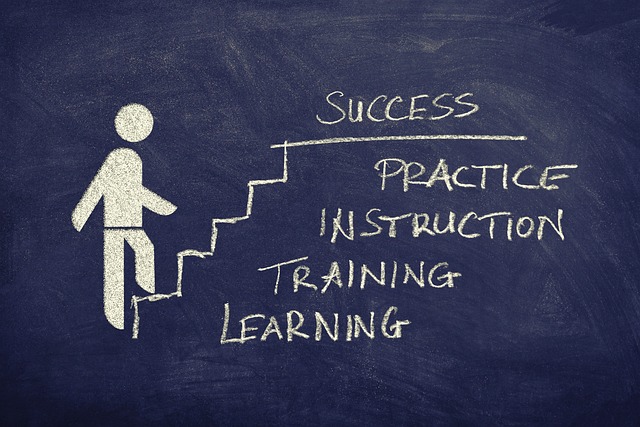
In a world that constantly demands more from us, it’s easy to think that success lies in mastering a multitude of skills. But what if I told you that there is one skill—an unstoppable force—that transcends them all? The skill is relentlessness, and it has been scientifically proven to be the key to success.

Relentlessness, often described as the unwavering determination to keep going despite setbacks, failures, or obstacles, is the one quality that has been consistently linked to achievement across fields. A 2018 study by Angela Duckworth, a psychologist at the University of Pennsylvania, shed light on the power of persistence. Her research emphasized that grit—a trait closely tied to relentlessness—was a more significant predictor of success than talent or intelligence. Grit is the perseverance to maintain effort and interest over the long haul, even when faced with difficulties that would deter most people.

In her study, Duckworth found that relentlessness outperformed other factors like IQ and personality traits in predicting how likely someone was to succeed. This means that while natural talent might get your foot in the door, it’s the relentless drive to keep pushing forward when things get tough that will ultimately determine your ability to thrive. Whether it’s an athlete training for the Olympics, an entrepreneur building a business from the ground up, or a martial artist training in Systema, the common denominator is relentlessness.

Why is this quality so powerful? Because the path to success is rarely a straight line. There will be moments of doubt, moments when quitting feels easier than pushing forward. But those who are relentless see each challenge as a stepping stone, not a roadblock. They adapt, they learn, and they keep moving forward with an undying belief in their purpose.

Relentlessness also fuels resilience. It teaches you to bounce back from failures, see them not as defeats but as lessons. It encourages you to make adjustments and keep refining your approach, rather than simply walking away in frustration.

So, if you want to unlock your true potential, forget about mastering countless skills at once. Instead, cultivate the skill of relentlessness. It’s the one ability that can carry you through the toughest of times and propel you to the success you’ve always dreamed of.

Ozempic Alernative

Ozempic, a popular medication used for managing type 2 diabetes and aiding weight loss, has gained attention for its effectiveness in controlling blood sugar and promoting weight reduction. However, it carries potential risks that should not be overlooked. Some users of Ozempic report side effects such as nausea, vomiting, diarrhea, and stomach pain, while more severe reactions can include pancreatitis, kidney damage, and thyroid tumors. The risk of these adverse effects has raised concerns about its long-term safety, especially for those with underlying health conditions.

For individuals seeking alternatives to Ozempic, several natural options have emerged as effective solutions. One promising alternative is berberine, a plant compound known for its ability to regulate blood sugar levels and improve insulin sensitivity. Studies have shown that berberine can lower blood glucose levels similarly to some diabetes medications, making it a viable option for managing type 2 diabetes without the side effects associated with pharmaceutical treatments. Another beneficial supplement is chromium, a mineral that enhances the action of insulin and helps stabilize blood sugar levels. Research suggests that chromium supplementation can improve glucose metabolism, potentially reducing the need for medications like Ozempic.

Additionally, beef pancreas extract is gaining recognition for its potential in supporting insulin production and regulating blood sugar. This natural supplement contains enzymes and hormones that may help the body maintain healthy glucose levels, offering another alternative to pharmaceutical drugs. Other options include magnesium, which plays a key role in insulin function, and alpha-lipoic acid, an antioxidant that has been shown to improve insulin sensitivity. These alternatives provide a more holistic approach to managing blood sugar levels, with fewer risks and side effects compared to drugs like Ozempic.

Always consult a healthcare professional before making changes to your treatment plan.

Keeping Your Knees Healthy: A Natural Medicine Perspective

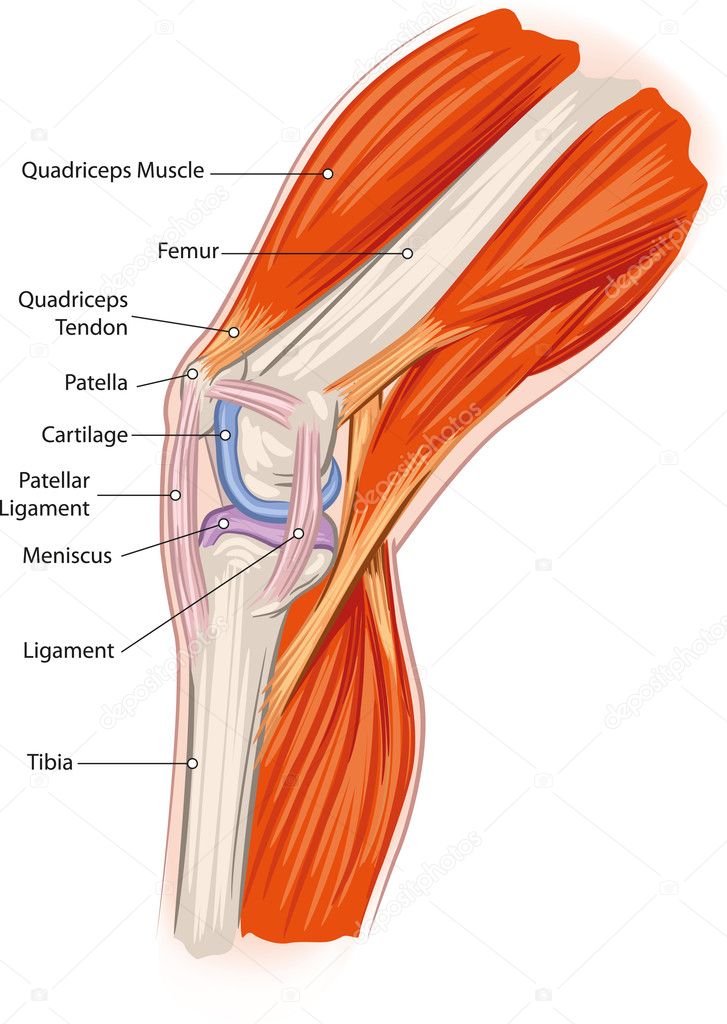
In Oriental and Natural medicine, the knees are often referred to as the “pillars of the body,” playing a vital role in mobility, balance, and overall vitality. According to traditional Chinese medicine and other natural healing systems, knee health is deeply connected to the flow of Qi, blood circulation, and the balance of the body’s internal systems. By adopting holistic practices rooted in Oriental and natural medicine, you can maintain strong, flexible, and pain-free knees throughout your life.

The Role of Qi and Blood in Knee Health

In Natural Medicine, the knees are governed by the Kidney and Liver meridians. The Kidneys are believed to control the bones, while the Liver governs the tendons and ligaments. When Qi and blood flow smoothly through these meridians, the knees remain nourished and resilient. However, stagnation, deficiency, or imbalance in these systems can lead to stiffness, pain, or weakness in the knees.

Cold and dampness are also considered major culprits in knee problems. Exposure to cold or damp environments can obstruct the flow of Qi and blood, leading to conditions like arthritis or chronic pain. To counteract this, it’s essential to keep the knees warm and dry, especially during colder months.

Natural Practices for Knee Health

  1. Acupressure and Acupuncture: Stimulating specific acupoints can help restore the flow of Qi and blood to the knees. Key points include ST35 and GB34, which supports the tendons and ligaments. Regular acupressure or acupuncture sessions can alleviate pain and improve mobility.
  1. Herbal Remedies: Natural Medicine often relies on herbal formulas to strengthen the Kidneys and Liver, which in turn support knee health. Herbs like Eucommia Bark (Du Zhong), Dang Gui (Angelica sinensis), and Turmeric (Jiang Huang) are commonly used to reduce inflammation, nourish the joints, and improve circulation. Herbal poultices or liniments can also be applied topically to soothe sore knees.
  1. Dietary Therapy: Food is medicine. To support knee health, focus on warming, nourishing foods that strengthen the Kidneys and Liver. Bone broth, black sesame seeds, walnuts, and dark leafy greens are excellent choices. Avoid excessive consumption of cold or raw foods, as they can weaken the digestive system and contribute to dampness.
  1. Tai Chi and Qigong: These gentle, flowing exercises are cornerstones of TCM for maintaining joint health. Tai Chi and Qigong promote the smooth flow of Qi, improve balance, and strengthen the muscles around the knees without putting undue stress on the joints. Regular practice can prevent stiffness and enhance overall vitality.
  1. Moxibustion and Cupping: Moxibustion, the burning of mugwort near the skin, is used to warm the knees and dispel cold and dampness. Cupping therapy can also improve blood circulation and relieve tension in the muscles surrounding the knees.

Preventative Measures

Prevention is a key principle in Oriental medicine. Avoid overexertion, especially activities that strain the knees, such as prolonged kneeling or heavy lifting. Maintain a healthy weight to reduce unnecessary pressure on the joints. Additionally, wearing supportive footwear and using knee pads during physical activities can protect the knees from injury.

Conclusion

From the perspective of Oriental and natural medicine, knee health is a reflection of the body’s overall balance and vitality. By nurturing the flow of Qi and blood, strengthening the Kidneys and Liver, and adopting mindful practices, you can keep your knees strong and resilient. Embrace these time-tested traditions to ensure your “pillars of the body” remain steady and pain-free for years to come.

Weight Loss Made Simple

OK, maybe not “simple” but certainly simpler.

Weight loss can be a great challenge for many despite the fact there is so much information about the topic. From treatments to supplements to ice baths and 1001 things in between, there are seemingly infinite numbers of methods to lose weight. Despite that, some 41% of adults (according to the CDC) are obese, an increase of 10% over the past decade. And increasing.

To add another supplement or “quick treatment” to the mix clearly is not working. Perhaps it is not always what we are eating but HOW we are eating. Here are a half dozen methods which can in fact, improve digestion, absorption and ultimately lead to permanent fat loss.

  1. Serve Smaller Portions
    One of the easiest ways to reduce your intake is by simply serving smaller portions.Studies show that we tend to eat more when we’re given more. Use smaller plates, bowls, or glasses to trick your brain into thinking you’re eating a full meal, even if you’re consuming fewer calories.
  2. Eat Without Distractions
    Emphasizes the importance of mindful eating. When we eat while distracted—watching TV, working, or scrolling through our phones—we’re more likely to overeat. Focus on the food in front of you, savoring each bite. This helps you recognize when you’re full and prevents overeating.
  3. Avoid Eating from Large Packages
    Large containers, like family-sized bags of chips or cereal boxes, can encourage mindless overeating. Instead, portion out your snacks into smaller bowls or containers. This makes it easier to control how much you consume and limits the temptation to go back for more.
  4. Use the “Pre-Commitment” Strategy
    Decide in advance how much to eat at a party or restaurant. Having a predetermined plan reduces impulsive eating and can help you stick to healthier choices.
  5. Keep Unhealthy Foods Out of Sight
    Research from Mindless Eating shows that we eat more of the foods we can see. Keep unhealthy snacks out of view or in less accessible areas of your kitchen. Instead, make healthier options like fruits and veggies more visible and easily reachable.
  6. Slow Down and Take Breaks
    Eating too quickly can lead to overeating because our brain doesn’t have enough time to register fullness. It is recommended taking breaks while eating, putting down your utensils between bites, and eating slowly. This helps give your body time to signal when it’s satisfied.

By being mindful of these simple changes, you can significantly reduce your food intake without feeling deprived, leading to healthier habits in the long run.

Enhance Your Endurance: Herbs, Substances, and Techniques

Improving endurance is a common goal for Martial Artists, fitness enthusiasts, and anyone looking to boost their physical stamina. While traditional methods like weight training and nutrition are widely known, natural medicine offers several unique approaches to enhancing endurance. By incorporating herbs, natural substances, and lesser-known methods (you will learn one here), you can naturally increase your energy levels, improve recovery time, and build sustained stamina.

One of the most powerful herbs for endurance is Ginseng. (I will be doing a future article on the different types of Ginseng and what they are used for.) Known for its adaptogenic properties, ginseng helps the body adapt to stress and fatigue. It has been used for centuries in traditional Chinese medicine to enhance physical performance and increase energy levels. Ginseng works by improving oxygen uptake and reducing the perception of effort during exercise, leading to more efficient and sustained performance. Regular use of ginseng supplements or tea before workouts can help build endurance over time.

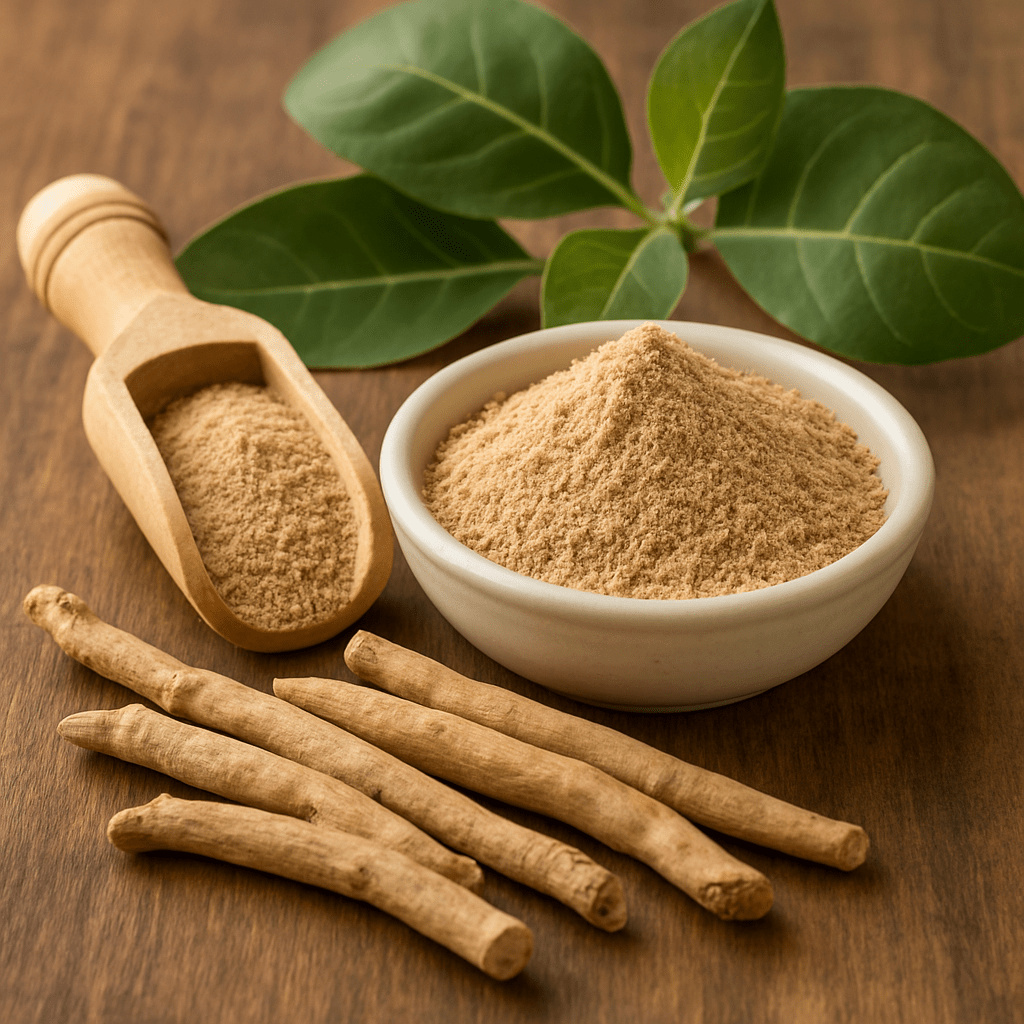
Another herb that can enhance endurance is Ashwagandha. This herb is renowned for its ability to reduce stress and boost overall vitality. As an adaptogen, ashwagandha helps the body cope with physical exertion and lowers cortisol levels, which can otherwise hinder endurance. Studies have shown that ashwagandha supplementation can increase VO2 max, a measure of cardiovascular endurance. Adding ashwagandha to your routine may help improve stamina, reduce fatigue, and support long-term athletic performance.

In addition to herbs, a natural substance like beetroot powder has gained popularity among endurance athletes for its ability to improve oxygen delivery to muscles. Beetroot is rich in nitrates, which the body converts into nitric oxide. Nitric oxide helps dilate blood vessels, improving circulation and increasing the amount of oxygen delivered to muscles during physical activity. Regular consumption of beetroot powder or juice can help enhance endurance by improving muscle efficiency and reducing fatigue.

Finally, a unique and lesser-known technique for improving endurance is breathwork. Specifically, practices like the Buteyko method (look for a future article on this soon) can significantly impact stamina. These breathing exercises focus on controlling breath to increase oxygen efficiency and reduce energy wastage. Controlled breathing can help optimize oxygen levels during intense physical activity, leading to improved endurance and reduced feelings of breathlessness. Implementing breathwork into your routine, even for just a few minutes daily, can enhance both physical performance and recovery.

Incorporating these natural remedies and techniques into your lifestyle can provide a holistic approach to improving endurance. Whether through the use of adaptogenic herbs like ginseng and ashwagandha, natural substances such as beetroot, or integrating breathwork into your training, there are many ways to naturally build stamina and enhance athletic performance.