Cross-Body Movement: A Simple Path to Sharper Focus and Balanced Energy

In a world that often rewards mental overdrive, the body quietly holds the key to sharper thinking and steadier energy. Cross-body movement—like slowly bringing the opposite elbow to knee in a gentle, rhythmic motion for just two minutes—activates communication between the brain’s left and right hemispheres. This simple practice improves cerebral blood flow, delivering oxygen and nutrients where they are needed most. The result is a natural boost in mental clarity that rivals, and often outperforms, a quick caffeine fix.

Unlike stimulants, cross-body movement nourishes the nervous system while stabilizing blood sugar. When performed at a calm, deliberate pace, these motions engage deep core muscles and help the body regulate glucose levels. The steadier energy that follows means fewer afternoon crashes, smoother concentration, and improved mood. It is a remarkably accessible strategy for anyone seeking to maintain balanced vitality throughout the day without relying on sugar or coffee.

Best of all, no special equipment or space is required. Whether at a desk, in a living room, or during a midday walk, two mindful minutes of cross-body exercise can be inserted seamlessly into daily life. The next time mental fog sets in, step away from the screen, cross your elbows and knees, and let your own movement become a source of oxygen, balance, and mental brightness.

AMA Wednesday for Sept. 24 2025.

Q: How does long-term exposure to artificial light at night affect melatonin cycles and natural healing processes?

A: The Hidden Health Toll of Nighttime Light

Modern life has blurred the line between day and night. Street lamps, glowing screens, and indoor lighting often extend well past sunset, bathing us in artificial brightness. Yet the human body is hardwired to follow natural rhythms shaped by sunlight and darkness. Central to this cycle is melatonin, a hormone that signals when to sleep, regulates immune function, and supports deep cellular repair. When artificial light, especially the blue rich light from phones, TVs, and LED bulbs, floods our evenings, melatonin production is disrupted. This seemingly small interference can cascade into restless sleep, slower tissue healing, and weakened immune resilience.

Science shows that consistent exposure to light at night does more than delay sleep. It can impair the body’s ability to recover from exercise, suppress antioxidant activity, and alter the timing of hormone release. Over time, these changes may raise the risk of chronic issues such as metabolic imbalance, low grade inflammation, and even cardiovascular strain. Natural health traditions, from Taoist energy practices to Ayurvedic evening rituals, have long emphasized the healing power of true darkness and quiet nights. They understood that deep rest is not a luxury but a key to longevity and inner harmony.

Reclaiming the night is both simple and profound. Begin by dimming household lights two hours before bed and switching to warmer amber tones. Keep devices out of the bedroom or use blue light filters if evening use is unavoidable. Spend time outdoors at sunset to help your circadian rhythm reset naturally. These small, consistent actions invite the body back into balance, allowing melatonin to flow freely and the deeper work of healing to unfold quietly as nature intended.

Master the Art of Bagua Life

Step into a practice that unites body, mind, and spirit. Bagua is more than graceful spirals and circular footwork—it is a living art of energy cultivation and internal power. In my Bagua Life course, I guide you through ancient principles adapted for modern living, showing how each movement becomes meditation, strength training, and healing all at once. Whether you are seeking deep flexibility, stress relief, or a fresh source of vitality, this course will help you awaken the natural energy that resides within.

Bagua’s circular patterns open every joint and stimulate the meridians, promoting harmony throughout the body. As you flow through spiraling steps and mindful breathing, stagnant energy clears and new vitality arises. You will feel your posture realign, your breath deepen, and your mental focus sharpen. This isn’t just exercise—it’s a path to sustained health and a calm, resilient mind.

Health Benefits You’ll Gain

  • Boost energy circulation and balance the nervous system
  • Strengthen core, legs, and connective tissue while enhancing flexibility
  • Calm stress hormones, improving sleep and mental clarity
  • Support digestion and immune health through rhythmic, whole-body motion
  • Develop powerful, supple joints and improved balance

Join me inside the Bagua Life course and experience how circular movement and Taoist wisdom can transform your daily life from the inside out. Your journey to deeper strength and serenity begins here: https://371f-david.systeme.io/af827df4

Keyboard Diseases: How Hidden Hands Are Rewiring Our Minds

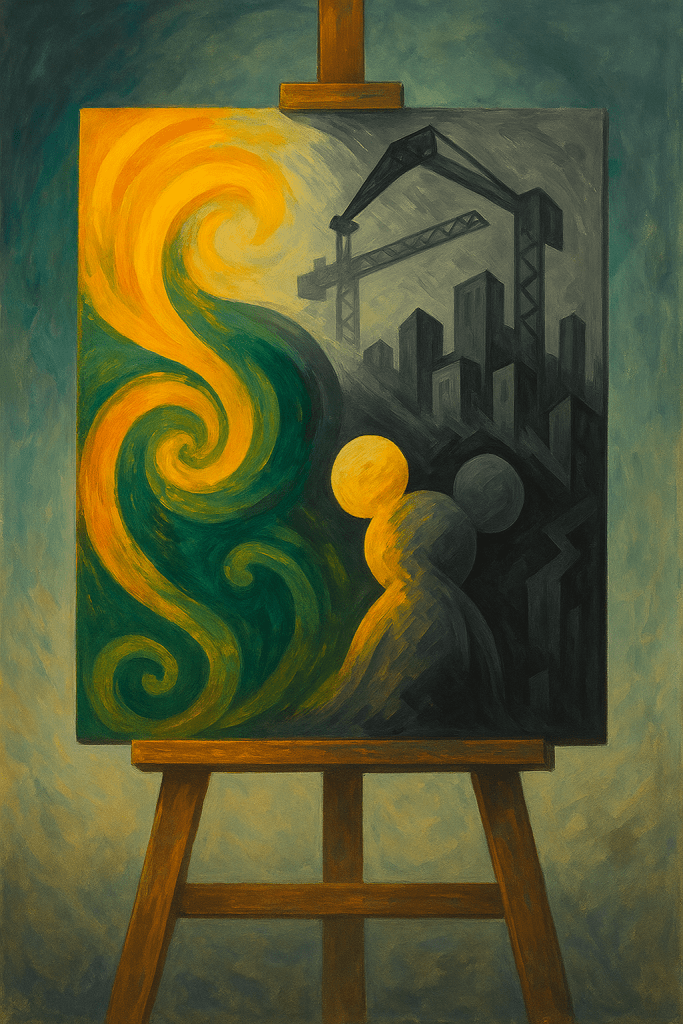
We live in an age where many of us are healthier in body than ever before but what about the health of how we think, act, and engage with others? There is a subtle epidemic, one with no physical symptoms yet capable of warping character, relationships, and the very way we see truth. I call them “keyboard diseases.” They compulsive online behaviors that destroy empathy, distort courage, and replace authentic action with keyboard echo. In the grip of this, we drift from being human to being a keyboard, typing out versions of ourselves we barely recognize.

Here are examples of this:

At first glance, cell-phone addiction seems benign, a modern (in)convenience. But it is not neutral. Every ping, every notification, pulls attention away from the sweet Now. Like an itch we cannot help scratching, our thumbs swipe, our focus splinters, and presence recedes. Then comes the hidden rant: the furious keyboard warrior who would never speak such things in person yet fires off messages when behind the safety of screens, comforted by distance and anonymity. Add to that the darker seeds: plotting harm, orchestrating divisive narratives, and using digital tools to hide intentions. These are not fringe phenomena—they are daily nuisances, internal viruses eating at virtue and clarity.

Beyond them lies another terrain, that of digital vigilantism and “echo chambers.” We now have armies of moral judges ready to pounce via screenshots, threads, and mass shaming. What starts as righteous indignation quickly becomes ritual bloodletting. Parallel to that, we collapse into echo chambers where the subtle is erased and complexity punished. We only share what confirms what we believe, we only hear what soothes our self-image. It someone disagrees, the mass of nasty verbiage comes raining down from the hidden keyboard.

And then there is doomscroll dependency, the addictive consumption of negative, fear-laden content. We ride each headline like a wave of anxiety, honing a worldview in which everything is crisis, betrayal, and collapse.

To understand why so many fall prey, we can learn a great deal from behavior science, especially the work of one of my favorites, Chase Hughes. Hughes, a former military intelligence officer turned behavior specialist, teaches that much of what we believe is our free choice is shaped (often invisibly) by how we process others, how we read signals, how we allow fear and insecurity to lead us. He teaches tools like the Behavioral Table of Elements (a framework for observing nonverbal cues, clusters of stress, and patterns of deception). He emphasizes that communication is not just in the words, but in posture, eye movement, voice tonality, all tools that both others and we ourselves use to influence perception.

This helps explain why “keyboard diseases” take root so easily. Behind the keyboard, people hide much (all?) of the nonverbal self. They strip away the cues that force accountability: the eyes that look away, the voice that quivers. They amplify what they think but rarely test, choosing content that confirms rather than challenges.

People then are easier targets for manipulation, both by others and by ourselves, because we believe our own posture is safe, our own rationality intact. Hughes warns of the “firewall illusion,” the false belief that one is immune to manipulation; ironically, believing that makes us more vulnerable.

Yet there is hope. Recognizing these “keyboard diseases” is the first step back to integrity. We can begin to reclaim our humanity by slowing down, by insisting on face-to-face communication from time to time, by stepping into conversation rather than comment threads. We can practice observing behavior, ours first, then others, like Hughes suggests. Notice how we sit, how we look, what our default gaze is, journaling small signals of discomfort or fear. We can challenge ourselves to consume what uplifts, not only what enrages. We can question what we share, and to pause before we type.

In the end, we are more than keyboards, more than screens or threads. We are bodies, minds, hearts — responsive, relational, vulnerable. These “keyboard diseases” steal from us not just civility, but presence, compassion, and the subtle courage of living fully. To heal, we need to put the keyboard in its proper place and recognize it as a tool, not a refuge. A mirror, not a mask. A servant, not a sovereign. Returning to that posture may seem small. But it is the ground on which true transformation grows.

It is the key to returning to a heart driven, compassionate society.

Question of the Week: Sept. 19 2025

Q: How can natural mineral baths or hot springs influence joint repair and connective tissue strength?

A: Soaking in natural mineral baths or hot springs delivers more than simple heat. The mineral-rich waters—often containing magnesium, calcium, silica, sulfur, and trace elements—are absorbed through the skin and influence joint tissue on a cellular level. Magnesium encourages muscle relaxation and improves circulation, while calcium and silica play key roles in bone density and connective tissue resilience. Sulfur, long used in balneotherapy, supports the formation of collagen and helps reduce inflammatory compounds around the joints.

The combination of warmth and buoyancy is equally therapeutic. Heat dilates blood vessels, improving the flow of oxygen and nutrients to cartilage, tendons, and ligaments while helping remove metabolic waste that can slow healing. The gentle pressure of the water decreases joint loading, allowing stiff or injured areas to move freely. This dynamic environment promotes the production of synovial fluid, which lubricates and nourishes cartilage, easing stiffness and pain.

Regular immersion can become a powerful natural protocol for people recovering from joint injuries, managing arthritis, or seeking to maintain connective tissue strength with age. When combined with gentle in-water movement or stretching, mineral bathing supports flexibility and encourages tissue remodeling without the stress of land-based exercise. In the Taoist view, these waters are a living element of Earth energy, harmonizing the body’s internal flow while giving the joints a direct mineral infusion—an ancient, elegant method of natural repair and renewal.

AMA Wednesday Sept 17, 2025

Q: What daily practices best support joint healing and cartilage regeneration without surgery?

A: Healthy joints rely on both the quality of cartilage and the strength of surrounding muscles and connective tissue. Daily nutrition is the first foundation. A diet rich in vitamin C (citrus, berries, peppers) aids collagen formation, while foods high in omega-3 fats (wild salmon, walnuts, flax) reduce inflammation that slows repair. Bone broth and foods containing natural gelatin or collagen peptides provide amino acids like glycine and proline that are directly used to rebuild cartilage. Drinking plenty of water keeps cartilage hydrated and more resilient to wear.

Movement is equally vital. Low-impact exercise—swimming, cycling, gentle tai chi or yoga—stimulates blood flow and synovial fluid, which nourishes cartilage and helps remove waste. Light resistance training builds muscle to stabilize joints and reduce mechanical stress. Daily stretching, particularly dynamic warm-ups and slow range-of-motion drills, maintains flexibility and prevents stiffness that can impede healing. Short but consistent sessions, done mindfully and pain-free, send a signal to the body to keep producing healthy cartilage cells.

Additional natural therapies can enhance recovery. Topical castor-oil packs, contrast hydrotherapy (alternating warm and cool water), and infrared or red-light sessions can improve circulation and reduce inflammation around damaged tissue. Supplements such as glucosamine, chondroitin, MSM, and curcumin have shown promise for protecting and rebuilding cartilage, while maintaining a healthy body weight lowers pressure on hips, knees, and spine. Practiced together—nutrient-dense eating, gentle yet regular movement, and targeted natural therapies—these habits create a strong environment for the body’s own repair systems to regenerate joint cartilage without surgery.

Fleece Flower Root: The Elixir of Vitality

Fleece Flower Root (Polygonum multiflorum), known in Chinese as He Shou Wu, has been treasured in Traditional Chinese Medicine for centuries. Often called the “elixir of youth,” this herb is celebrated for its reputed ability to nourish the liver and kidneys—organs considered vital for longevity and vigor. Ancient texts describe it as a tonic that strengthens blood and essence (jing), supporting hair growth, enhancing energy, and restoring vitality to the entire body.

Modern herbalists appreciate Fleece Flower Root for its adaptogenic and antioxidant properties. Studies suggest it may help combat fatigue, promote healthy aging, and improve circulation. It is frequently used to maintain hair color, strengthen tendons and bones, and boost reproductive health. Whether taken as a tea, tincture, or powdered supplement, it is seen as a restorative ally for those seeking natural support for endurance and resilience.

From a Taoist perspective, Fleece Flower Root embodies the art of balance and renewal. It nourishes the yin essence, anchoring the spirit and quieting internal restlessness, while subtly replenishing yang energy for steady strength. In this way, the herb serves as both a grounding and energizing force—helping practitioners sustain long life and deep inner harmony.

When the Shen is Lost: A Natural Health View on Rejoicing in Violence

In Traditional Chinese Medicine (TCM), celebrating or enjoying the death of another due to political difference reflects a deep imbalance of the Heart and Shen (spirit). The Heart is said to house the Shen, governing compassion, clarity, and our ability to connect with humanity. When the Shen is disturbed—by excessive anger, fear, or hatred—it becomes clouded. Instead of perceiving others as fellow beings, the mind projects division and hostility. To take joy in another’s suffering is a sign that the Shen has become unstable, no longer rooted in harmony, but instead consumed by fire and agitation.

This state often arises when the Liver Qi is stagnant or blazing upward. The Liver in TCM regulates the smooth flow of emotions, particularly anger. When constrained by resentment, rigid beliefs, or external stressors, the Qi of the Liver grows hot and forceful. This heat rises and disturbs the Heart, creating agitation, intolerance, and an inability to see others with compassion. In such a person, anger and judgment replace empathy, and violence or the celebration of violence becomes an outlet for their inner turmoil.

The Kidneys and essence (Jing) also play a role. When fear depletes Kidney energy, individuals may cling desperately to identity, tribe, or ideology for a sense of safety. This fear-driven depletion can harden into intolerance, where the other side is seen as dangerous or unworthy of life. The weakened Kidney essence no longer nourishes the Heart and Brain, leaving the Shen ungrounded and vulnerable to extremes of thought and feeling.

Ultimately, from a TCM perspective, to revel in the death of another is not natural; it is a manifestation of disharmony among the organ systems and a disturbed Shen. It reflects blocked Liver Qi, overactive Heart fire, and deficient Kidney essence, creating a condition where balance, compassion, and wisdom are lost. Healing would not come from political victory but from restoring internal harmony—calming the Heart, smoothing the Liver Qi, and strengthening the Kidneys—so that the Shen may again shine clearly and see all life as interconnected.

PART 2: From a Western Psychological View

Part 2: From A Western Psychological View of Rejoicing in Violence

From a psychological standpoint, celebrating or enjoying the killing of someone purely for holding a different political view often stems from dehumanization and moral disengagement. When people begin to view opponents not as human beings but as dangerous “others” or as symbols of a hated ideology, empathy is switched off. This process allows individuals to perceive violence as justified—or even virtuous—because they believe the target represents a threat to their identity, values, or group survival. Social media echo chambers and polarizing news sources can intensify this effect by amplifying anger and portraying the other side as an existential enemy rather than as complex human beings.

A second factor is authoritarian or extremist thinking, which thrives on rigid black-and-white worldviews. People with these traits often crave certainty, hierarchy, and a simple moral order. Political opponents are seen not merely as people with different opinions but as “evil” forces to be eradicated. This mindset can create a psychological environment where violence feels not just acceptable but heroic, especially if the person believes they are protecting their in-group or a sacred cause. When combined with personal grievances, resentment, or feelings of powerlessness, this belief system can turn abstract hatred into a desire for literal harm.

There is also a strong emotional and identity component. For some, political identity becomes a core part of self-definition. When that identity feels threatened, the brain can react as though under physical attack, triggering fight-or-flight chemistry—adrenaline, cortisol, and aggressive impulses. In this heightened state, moral reasoning weakens and celebration of violence can feel like emotional vindication. Research shows that witnessing harm to an out-group can even activate the brain’s reward circuits if the person strongly identifies with an opposing group and perceives the harm as retribution.

Finally, social reinforcement and cultural narratives play a critical role. If peers, online communities, or influential figures applaud or glorify violence, individuals receive validation for destructive feelings. Over time, repeated exposure to such reinforcement dulls natural empathy and normalizes brutality. In this way, celebrating the murder of someone with different political views is rarely about politics alone; it is the end result of psychological processes—dehumanization, rigid thinking, threatened identity, and group validation—that strip away empathy and elevate aggression into a twisted form of moral triumph.

Health Question of the Week

Q: What small bedtime habit could help you fall asleep faster and stay asleep longer?

A: One of the simplest and most effective habits is setting a gentle wind-down routine an hour before bed. Dim the lights, silence notifications, and let your body know the day is ending. This lowers cortisol, the stress hormone that can keep you awake, and allows melatonin, the natural sleep hormone, to rise. Even a 10–15 minute ritual of reading a calming book, light stretching, or quiet breathing can signal the shift from day to night.

Avoiding screens during this hour makes a big difference. The blue light from phones, tablets, and TVs tells your brain it’s still daytime, delaying melatonin release. If you need some background sound, choose soft music or nature sounds instead of a glowing screen. Keep the room cool—around 65 to 68 degrees Fahrenheit—since a drop in body temperature also helps trigger deeper sleep.

Finally, make your bedroom a true rest space. Keep it dark, quiet, and free of clutter. Use breathable bedding and consider a few drops of calming essential oil like lavender if you enjoy natural scents. Over time, this small, consistent bedtime habit trains your body to fall asleep quickly and stay asleep longer, so you wake up feeling refreshed and steady for the day ahead.