Blog

Question of the Week: Can the timing of herbal supplementation based on your circadian rhythm improve absorption and effectiveness of natural remedies?

Yes, aligning herbal supplementation with your circadian rhythm can significantly improve both absorption and effectiveness. The human body follows a 24-hour internal clock that governs hormone release, digestion, detoxification, and immune responses. Many of these biological processes fluctuate throughout the day, and taking herbs when the body is most receptive can enhance their impact. For example, cortisol levels naturally rise in the early morning, so adaptogenic herbs like ashwagandha or rhodiola may work better during this window to support stress response and energy.

Digestive function is another key factor. Enzyme production and gut motility tend to be strongest earlier in the day, meaning that herbs requiring digestion or assimilation—such as turmeric for inflammation or schizandra for liver support—may be better absorbed when taken with breakfast or lunch. Conversely, calming herbs like valerian, passionflower, or magnesium-rich formulas may be more effective when taken in the evening, aligning with the body’s natural wind-down process and melatonin production.

This rhythm-based approach mirrors principles found in traditional systems like Chinese Medicine and Ayurveda, which have long emphasized time-of-day in prescribing herbal protocols. While modern science is still catching up, preliminary research supports the idea that synchronizing herbal intake with your body’s natural cycles may amplify therapeutic effects, reduce side effects, and optimize healing. In natural medicine, timing can be just as crucial as the remedy itself.
Astragalus Root: Ancient Defender of Vitality

Astragalus root, known in Traditional Chinese Medicine as Huang Qi, has been revered for over 2,000 years as a powerful adaptogen and immune tonic. Derived from the leguminous Astragalus membranaceus plant, the root is typically sliced, dried, and brewed into teas or concentrated into extracts. Unlike quick-fix remedies, Astragalus works gradually, strengthening the body’s core defenses by enhancing the function of white blood cells and encouraging the production of interferon, a key immune signaling protein. This makes it a frontline ally during seasonal changes or times of chronic fatigue.

Beyond immune support, Astragalus is widely used to bolster cardiovascular health. Its antioxidant properties help reduce inflammation and protect the inner lining of blood vessels, potentially lowering the risk of heart-related disorders. Studies suggest it may help regulate blood pressure, improve circulation, and even protect heart tissue during episodes of stress or injury. Traditional practitioners also value its mild diuretic effect, which can aid in reducing water retention and supporting kidney health.

In Taoist and holistic traditions, Astragalus is believed to nourish qi, the vital life energy that sustains mental clarity, physical stamina, and emotional balance. Its long-term use is said to strengthen the Wei Qi—the body’s energetic shield that guards against external pathogens. For those seeking graceful aging, increased vitality, and internal resilience, Astragalus root is a gentle yet profound herbal companion on the journey to wellness.

Ask Me Anything Wednesday for July 16 , 2025

QUESTION: “Can the phase of the moon influence the potency or absorption of herbal remedies, and if so, how should timing be adjusted when using tinctures or decoctions?” This is from Shauna who lives in Bangor, ME. Thank you Shauna!

ANSWER: Throughout the ages, lunar rhythms have been honored as subtle but potent influencers of human physiology and nature’s healing cycles. In natural medicine—particularly in Taoist, Ayurvedic, and certain Indigenous traditions—the moon is not merely a backdrop to the night sky, but a rhythmic pulse that guides plant vitality, fluid dynamics in the body, and even emotional receptivity. Practitioners who work closely with herbal medicines have observed that certain phases of the moon enhance absorption, cellular response, and the energetic imprint of the remedy itself.

The new moon is seen as a time for cleansing and release, making it ideal for detoxifying herbs and purgative formulations. In contrast, the full moon amplifies energy and circulation, often enhancing the potency and uptake of tonics, adaptogens, and blood-moving herbs. During the waxing phase (new to full), the body is considered to be more absorptive, which supports building and nourishing remedies. The waning phase (full to new) is better suited for clearing and eliminating protocols. Even the timing of harvesting herbs is affected—plants gathered during a full moon often have stronger aromas and active constituents.

While modern science has only begun to scratch the surface of lunar medicine, bioelectrical and circadian studies are showing correlations between moon cycles and hormonal fluctuations, sleep patterns, and even wound healing. For those crafting or prescribing tinctures and decoctions, subtle timing can be the invisible thread that deepens effectiveness. If we learn to sync our remedies with nature’s pulse, we engage not just in medicine—but in rhythm, reverence, and relationship.

Tylophora Indica: The Ayurvedic Ally for Lungs, Immunity, and Inflammation

Tylophora indica, commonly known as Indian Ipecac or Antamul, is a traditional Ayurvedic herb recognized for its powerful therapeutic effects, particularly on the respiratory system. Native to India and Southeast Asia, the plant is a climbing vine with distinctive purple flowers and soft, oval leaves. For centuries, Ayurvedic physicians have used its leaves to support lung health, alleviate asthma symptoms, and treat chronic bronchitis. Modern herbalists now value it for its natural ability to ease inflammation and promote deeper, easier breathing.

One of the herb’s most important actions is as an immune modulator. Tylophora contains alkaloids such as tylophorine, which have been shown in studies to possess anti-inflammatory, antiallergic, and even immunosuppressive properties. These effects make it a rare botanical that can both stimulate and regulate the immune system, making it useful in autoimmune conditions, seasonal allergies, and chronic inflammatory disorders. It is also known to be expectorant and emetic in larger doses, which supports its traditional use for clearing respiratory blockages and toxins.

In addition to its respiratory and immune benefits, Tylophora indica has shown promise in managing joint pain and inflammation. Herbal formulas sometimes include it to relieve the discomfort associated with rheumatoid arthritis or other inflammatory conditions. Its calming influence on overactive immune responses contributes to its efficacy in such cases. However, because of its potent alkaloid content, this herb is generally recommended under the supervision of a qualified practitioner, especially if taken for extended periods.

Caution should also be taken due to its potential side effects. Some individuals report mild nausea or vomiting after taking the fresh leaves or extracts, which is why precise dosing and form matter. Despite this, when used appropriately, Tylophora indica stands as a multifaceted herbal ally—offering support to the lungs, immune system, and inflamed tissues. It bridges the ancient wisdom of Ayurvedic medicine with the growing body of modern herbal research, proving itself a botanical of enduring value in the world of natural healing.

Urtica (Stinging Nettle): A Potent Natural Remedy

Urtica dioica, commonly known as stinging nettle, has been used for centuries in traditional medicine systems across Europe, Asia, and North America. Despite its sting, which comes from tiny hairs on its leaves containing histamine and other chemicals, this plant is a powerhouse of nutrients. Rich in iron, calcium, magnesium, and vitamins A, C, and K, stinging nettle supports overall vitality and is especially valued for its nourishing and restorative properties. Once processed by drying, cooking, or extracting, the sting is neutralized, making it safe and highly beneficial for consumption.

One of the standout uses of Urtica is its effectiveness in treating joint pain and arthritis. Its natural anti-inflammatory properties help reduce swelling and discomfort in conditions like osteoarthritis and rheumatism. Additionally, stinging nettle acts as a diuretic, gently encouraging the removal of metabolic waste through the kidneys and promoting detoxification. It’s often used in protocols to support urinary tract health, reduce water retention, and gently cleanse the blood and lymphatic system.

Beyond its physical healing capabilities, Urtica also supports resilience and recovery in times of fatigue or chronic stress. Its adaptogenic qualities help restore the body’s equilibrium, making it a favorite among herbalists for supporting the adrenal glands and boosting stamina. In holistic wellness, nettle is considered both a healer and protector—strengthening the body’s core systems while gently cleansing what no longer serves. It is a prime example of nature’s intelligence: fierce on the outside, deeply nourishing within.

Question of the Week for 7/11/25

QUESTION: “What are the medicinal benefits of black garlic—and how does its fermentation process enhance its healing properties compared to raw garlic?”

ANSWER: Black garlic is a fermented version of regular garlic that undergoes a controlled aging process under high heat and humidity for several weeks. During this transformation, its pungent flavor softens into a sweet, tangy taste—similar to balsamic vinegar or tamarind—and its color darkens to a deep black. But the change isn’t just culinary. Fermentation alters the biochemical makeup of garlic, increasing levels of antioxidants like S-allyl cysteine (SAC), which are more stable and bioavailable than in raw garlic.

From a natural medicine perspective, black garlic supports cardiovascular health by improving blood vessel elasticity, reducing oxidative stress, and regulating cholesterol. SAC in particular has been shown to protect the heart, enhance immune response, and reduce inflammation—making it a powerful ally in preventing chronic disease. Unlike raw garlic, which can irritate the stomach or cause bad breath, black garlic is gentler on digestion and odor-free, making it easier to consume consistently.

In Taoist and holistic systems, black garlic is seen as a deeply nourishing, warming food that supports kidney and lung qi, enhances longevity, and gently detoxifies the system. It’s often used as a tonic in times of fatigue or seasonal change. Add it to soups, eat it raw like a soft candy, or blend it into dressings. Though it’s not mainstream, its rich history in Korean, Thai, and Japanese medicine proves that some of nature’s most powerful remedies are simply aged to perfection.

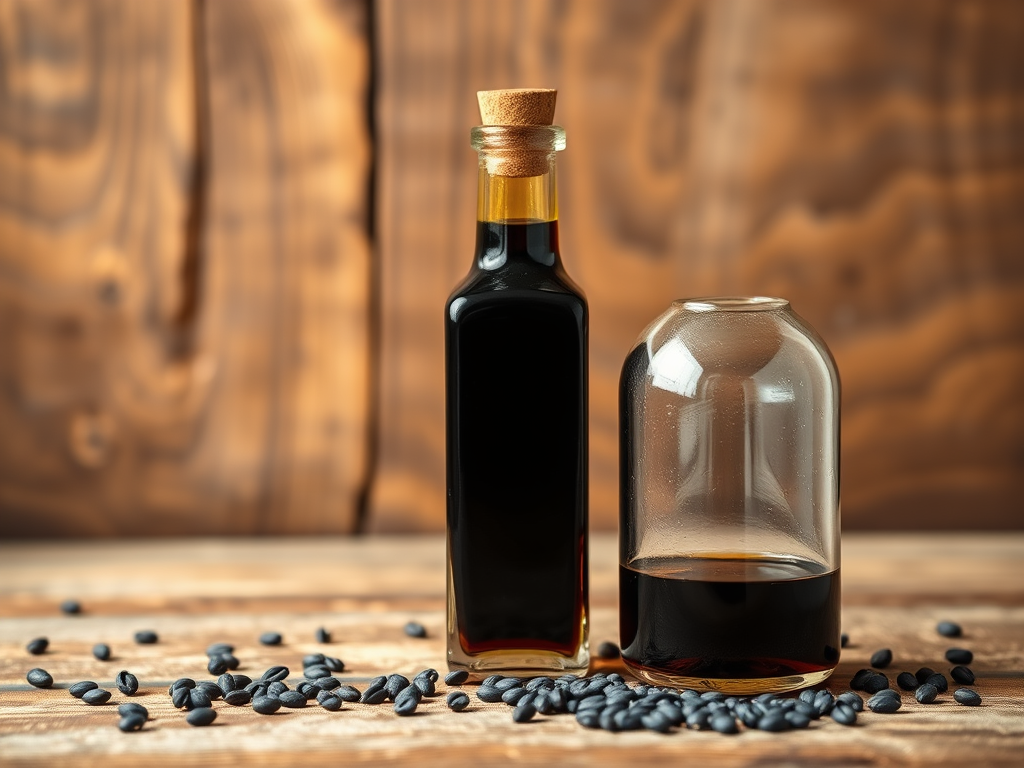
Black Seed Oil: Nature’s Timeless Remedy for Healing and Balance

Black seed oil, derived from the seeds of Nigella sativa, has been revered for centuries as a powerful natural remedy. Commonly known as “the remedy for everything but death,” this potent oil boasts an impressive history in traditional healing systems across the Middle East, Africa, and Asia. Its benefits stem primarily from thymoquinone, a bioactive compound with strong anti-inflammatory, antioxidant, and immune-supportive effects. Modern research continues to validate what ancient healers already knew — black seed oil is a multipurpose botanical powerhouse.

One of the most remarkable uses of black seed oil is its ability to regulate and strengthen the immune system. Unlike synthetic stimulants that can overdrive the body’s defenses, black seed oil gently restores balance, making it especially valuable in managing autoimmune conditions and chronic inflammation. Its soothing effects on the respiratory tract also make it a valuable ally during allergy seasons and cold months. In addition, its antimicrobial properties help the body combat a wide range of pathogens, including bacteria, viruses, and even fungi.

Beyond immunity, black seed oil is increasingly recognized for its support of metabolic health. It can assist in lowering blood sugar, regulating cholesterol, and reducing high blood pressure, all while promoting digestive ease. Externally, it has been used for skin conditions like eczema, acne, and psoriasis. Taken internally or applied topically, black seed oil offers a deep, natural restoration of balance — a fitting example of nature’s quiet but profound intelligence.

Ask Me Anything Wednesday for July 9 2025

Question: “If your body could write you a letter right now using the language of natural medicine — what do you think it would say? Herbs, energy systems, foods, feelings… nothing is off limits. Let’s talk healing.”

Answer: If my body could write me a letter through the lens of natural medicine, it might begin gently, like a whisper from the forest. “Dear one,” it would say, “I carry the story of your choices in my muscles, your thoughts in my breath, your history in my blood. You’ve often treated me like a machine, but I am not made of steel — I am made of rhythm, water, fire, and the unseen.” It would ask me to listen not with my ears, but with my pulse.

The letter would go on to say, “I crave balance, not perfection. I am soothed by adaptogens, not stimulants. I need rest as much as movement, silence as much as sound. Your liver longs for dandelion and milk thistle, not caffeine and worry. Your lungs miss the scent of pine and fresh air. Your joints ache not just from time, but from what you’ve suppressed. Let’s clear the inflammation with turmeric, laughter, and honest tears.”

It would remind me that healing is not a straight line. That the grief in my chest is just as important to treat as any lab result. That acupuncture opens hidden meridians the same way forgiveness opens the heart. “Your skin speaks your gut’s language,” it might write, “and your headaches are not random — they’re petitions for change.” It would ask me to eat with presence, to breathe with reverence, and to love this vessel like a sacred home.

And finally, it would say, “I am not against you. I am your oldest ally. But I am tired of shouting. Let us return to a gentler medicine — one of roots, rituals, movement, and moonlight. When you care for me naturally, I won’t just heal… I’ll awaken.”

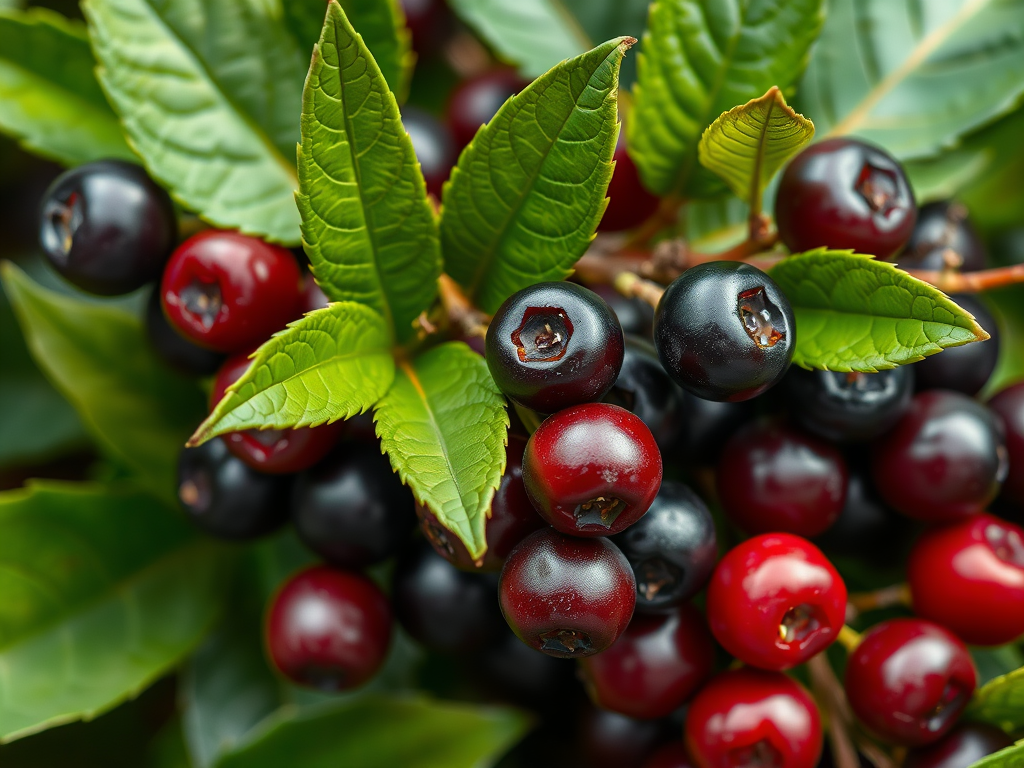
Privet Fruit: A Potent Ally for Longevity and Immunity

Privet fruit, also known in Traditional Chinese Medicine as Nu Zhen Zi, is a small, glossy black berry harvested from the Ligustrum lucidum plant. Long revered for its restorative properties, this herb is especially valued for its ability to nourish the liver and kidneys—organs central to vitality and aging in Eastern medicine. Often prescribed for symptoms like dizziness, blurred vision, premature graying of hair, and tinnitus, privet fruit has earned its place as a staple in formulas that support longevity and balance.

One of its most praised effects is on the immune system. Privet fruit contains powerful antioxidant compounds, including oleanolic acid, which may help protect cells from oxidative stress and promote healthy immune responses. Modern studies suggest that its compounds exhibit anti-inflammatory and even anti-cancer potential, although further human research is needed to validate these findings. In traditional herbalism, it’s often combined with herbs like Eclipta and Goji to enhance its adaptogenic qualities and support the body during times of chronic stress or depletion.

Energetically, privet fruit is considered cooling and nourishing, making it ideal for those suffering from “yin deficiency”—a state associated with overexertion, insomnia, dry skin, and fatigue. Unlike many stimulating herbs, it works subtly, building strength over time without taxing the system. As such, it’s frequently used in post-illness recovery or as part of an anti-aging tonic for those seeking to restore their deep energy reserves. Its ability to support both the physical and emotional foundation of health underscores its value in long-term wellness regimens.

Whether consumed as a tea, tincture, capsule, or as part of a larger tonic formula, privet fruit offers a gentle but profound healing potential. As always, it should be used under the guidance of a knowledgeable practitioner—particularly for individuals with sensitive digestive systems or those on medications. In an era where true rejuvenation is rare, this humble berry reminds us of nature’s quiet power to restore harmony and vitality from the inside out.

Natural Health Question of the Week

What ancient remedy or forgotten natural ingredient was once used to promote dream clarity—and could it still have relevance in modern holistic sleep support?

Throughout history, many traditional cultures valued dreams as sacred messages or diagnostic tools for health and spiritual guidance. Among them, ancient Egyptians, Taoist sages, and Native American tribes all used specific herbs and rituals to enhance dream clarity. One such ingredient is Calea zacatechichi, also known as the “Dream Herb,” used by the Chontal people of Mexico. They believed it could open the gateway to vivid, meaningful dreams and even induce lucid dreaming. Another lesser-known substance is mugwort, a common herb in European and Asian folk medicine, often used in teas or placed under pillows to stimulate dreams and spiritual visions.

In modern natural health, these dream-enhancing botanicals are resurfacing—not as mystical tools, but as gentle allies in sleep support. Many people today suffer from fragmented sleep or a complete disconnect from their dream life due to high stress, blue light exposure, and poor sleep hygiene. Using herbs like mugwort, blue lotus, or even passionflower in low doses, alongside mindfulness practices and sleep ritual rebalancing, can reawaken the dream state and improve overall restfulness. These botanicals may gently nudge the nervous system toward parasympathetic (rest-and-digest) dominance, allowing the subconscious to express and heal through dreams.

While more research is needed to validate their efficacy in clinical terms, these ancient remedies remind us that the boundary between sleep and wakefulness, mind and body, isn’t as fixed as modern medicine suggests. Natural dream allies may not only promote deeper sleep but also reconnect us to parts of ourselves long forgotten in the noise of daily life. Integrating these herbs with practices like journaling, Taoist dream yoga, or simply sleeping with intention could make sleep not just restful, but restorative on every level.