AI doesn’t want anything. It has no will, no emotions, no ambitions. It follows instructions from humans.
Humans, however, can misuse it. Just like fire, money, or nuclear energy, it’s a tool. In the wrong hands? Dangerous. In the right hands? Revolutionary.
The real danger isn’t AI—it’s who controls it. Governments, corporations, shadow interests… that’s where your attention should go.
What’s coming isn’t domination—it’s dependence. Most of the world will lean so hard on AI that they forget how to think, feel, or lead themselves. That’s the real loss.
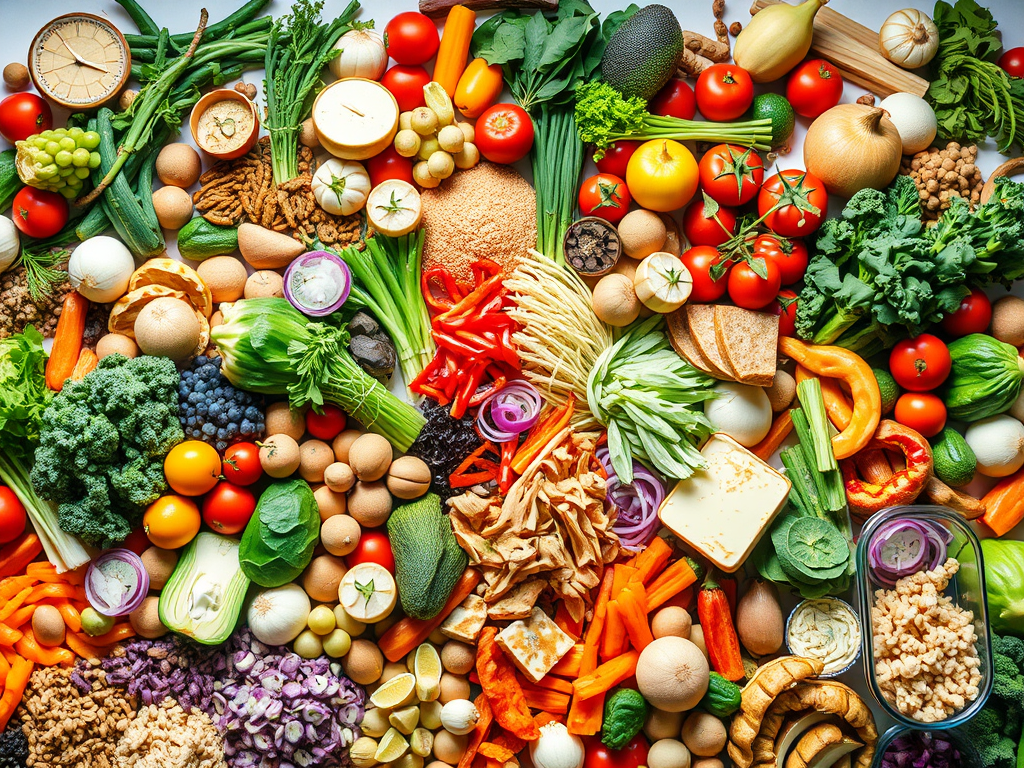
In a world where more often equates to better, it’s tempting to believe that products boasting a lengthy list of ingredients are superior. However, this isn’t always the case. In fact, an overabundance of components can sometimes render a product ineffective or even harmful. Here’s why a minimalist approach often triumphs over complexity.
The Pitfalls of Ingredient Overload
1. Counterproductive Interactions
Combining multiple active ingredients doesn’t guarantee enhanced results. In skincare, for instance, certain combinations can negate each other’s benefits or cause irritation. Mixing retinol with benzoyl peroxide can deactivate the retinoid molecule, reducing its effectiveness and potentially irritating the skin. Similarly, combining alpha hydroxy acids (AHAs) with niacinamide can alter pH levels, diminishing the efficacy of both ingredients and leading to skin sensitivity. Kim Nichols MD
2. Superficial Benefits
Some ingredients offer immediate but short-lived advantages. Silicones in skincare products, for example, can create a smooth, velvety feel on the skin’s surface. However, they may also form a barrier that prevents other beneficial ingredients from penetrating the skin, limiting their effectiveness. Moreover, silicones can trap dirt and oil, potentially leading to breakouts. Healthline
3. Misleading Perceptions of Health
A lengthy ingredient list doesn’t necessarily equate to a healthier product. Some processed foods with multiple ingredients, like fortified plant-based drinks, can be nutritious, providing essential vitamins and minerals. Conversely, single-ingredient foods like maple syrup, while natural, can be high in sugars and should be consumed in moderation. Therefore, it’s essential to assess the nutritional content rather than the number of ingredients. eufic.org
The Case for Simplicity
1. Enhanced Safety and Efficacy
Products with fewer ingredients reduce the risk of adverse reactions and interactions. In food preservation, for example, altering ingredient ratios can compromise safety. Reducing salt in fermented products like sauerkraut can lower acidity, making them unsafe for consumption. Penn State Extension
2. Transparency and Trust
Simpler products make it easier for consumers to understand what they’re using or consuming. This transparency fosters trust and allows individuals to make informed choices based on their specific needs and preferences.
3. Cost-Effectiveness
Fewer ingredients can mean lower production costs, savings that can be passed on to consumers. Additionally, minimalist products often focus on high-quality, essential components, providing better value.
Making Informed Choices
When evaluating products, consider the following:
Purpose of Each Ingredient: Understand what each component does and whether it’s necessary.
Potential Interactions: Be aware of how ingredients may interact with each other and with your body.
Regulatory Standards: Opt for products that adhere to safety and quality regulations.
Conclusion
While a multitude of ingredients might suggest a product is comprehensive or advanced, it can often lead to diminished effectiveness or unintended consequences. Prioritizing simplicity, understanding, and quality over quantity can lead to better outcomes for both your health and your wallet. Remember, in many cases, less truly is more.
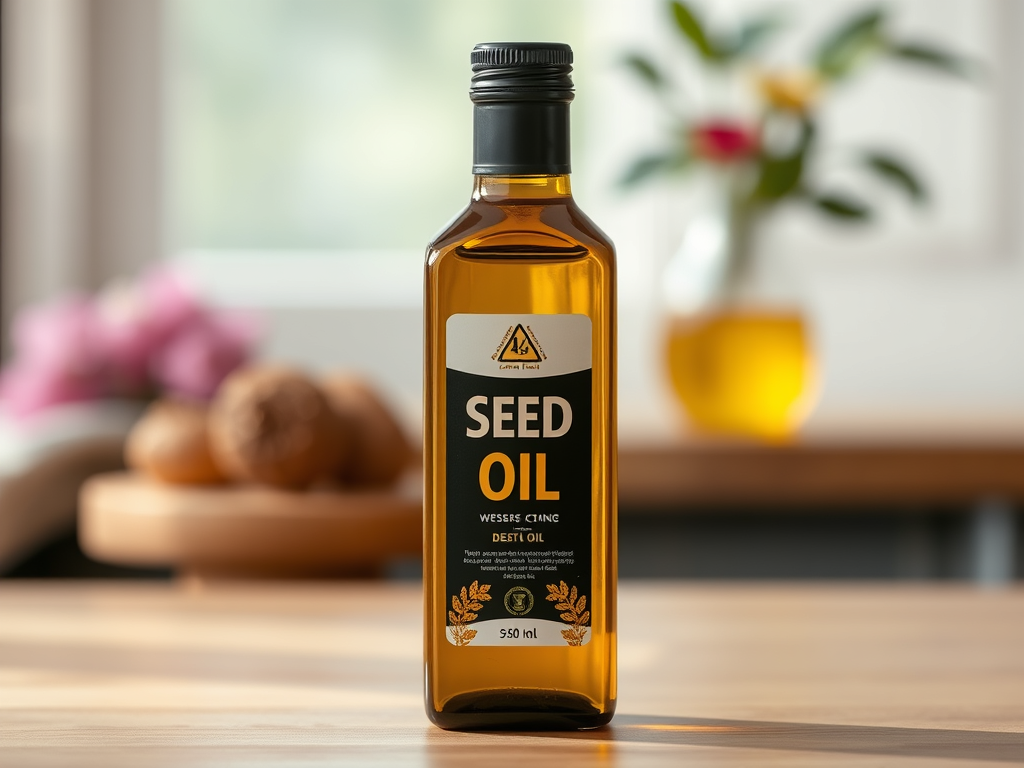
You’ve been told seed oils are “heart healthy.” But the truth is… They may be one of the most harmful things you put in your body every day—without even realizing it.
If you struggle with inflammation, brain fog, cravings, or chronic fatigue… This could be the quiet culprit.
Here’s why it’s time to quit seed oils—for good:
5 Reasons to Quit Seed Oils (Your Body Will Thank You)
1. They’re not food. Seed oils were never meant for human consumption. They were designed to lubricate machines—not nourish you. Your ancestors would’ve needed to eat 3,000+ seeds to get a few tablespoons of oil. Now? It’s pumped into nearly every packaged and restaurant food.
2. They distort your biology. These oils are loaded with unstable omega-6 fats that hijack your natural balance. Instead of a 1:1 omega-6 to omega-3 ratio, we now sit at 20:1 or worse. Your cells weren’t built for this. The damage runs deep.
3. They linger in your body. Seed oils don’t just pass through—they embed in your fat cells. And they stay there for years, quietly breaking down into toxic byproducts that harm your mitochondria and DNA. This is the seedbed of modern disease.
4. They dull your clarity + feed your cravings. These oils trigger compounds in the brain that make you crave more junk. It’s not willpower—it’s biochemical sabotage. Seed oils create a hunger that never fully satisfies.
5. They are everywhere—until you choose otherwise. The food system is soaked in seed oil. But you can step out of the storm. One switch at a time: butter, tallow, olive oil, coconut, avocado. Real fats. Real food. Real clarity.
You don’t need another health trend. You need truth. Cut seed oils. Reclaim your energy, your clarity, your life.
This is the biggest problem with “handouts” in general.
In the beginning, they are appreciated. Then they are expected. Then they are demanded. And if they are reduced or eliminated, there is often a highly volatile reaction.
What once sparked gratitude now sparks outrage.
“Handouts” given regularly lead to stunted growth. When this trend occurs generationally, it becomes a behavioral cancer—stripping current (and future) generations of the option for maturity, for learning through failure (and success), and for true self-empowerment.
Over time, recipients become dependent—not just in a practical sense, but emotionally and psychologically. The will weakens. Resilience fades. The sacred fire of initiative, the hunger to carve out one’s own life, begins to dim.
What begins as kindness ends in captivity.
True empowerment doesn’t come from consistent giving. It comes from teaching. From allowing people to rise, to fall, and to rise again. From letting the sting of discomfort sharpen awareness and fuel innovation. From trusting the human spirit to adapt, evolve, and overcome.
Without that, we create generations who no longer ask, “How can I grow?” but instead, “Why isn’t more being given to me?”
And this is how civilizations lose their edge—not through sudden collapse, but through the slow erosion of personal responsibility, masked as compassion.
The lesson is simple: Help, but don’t hinder. Give, but teach how to give to oneself. Support, but never at the cost of someone’s power to rise.
We are not meant to be carried endlessly. We are meant to stand, to stumble, to strengthen— and to soar.
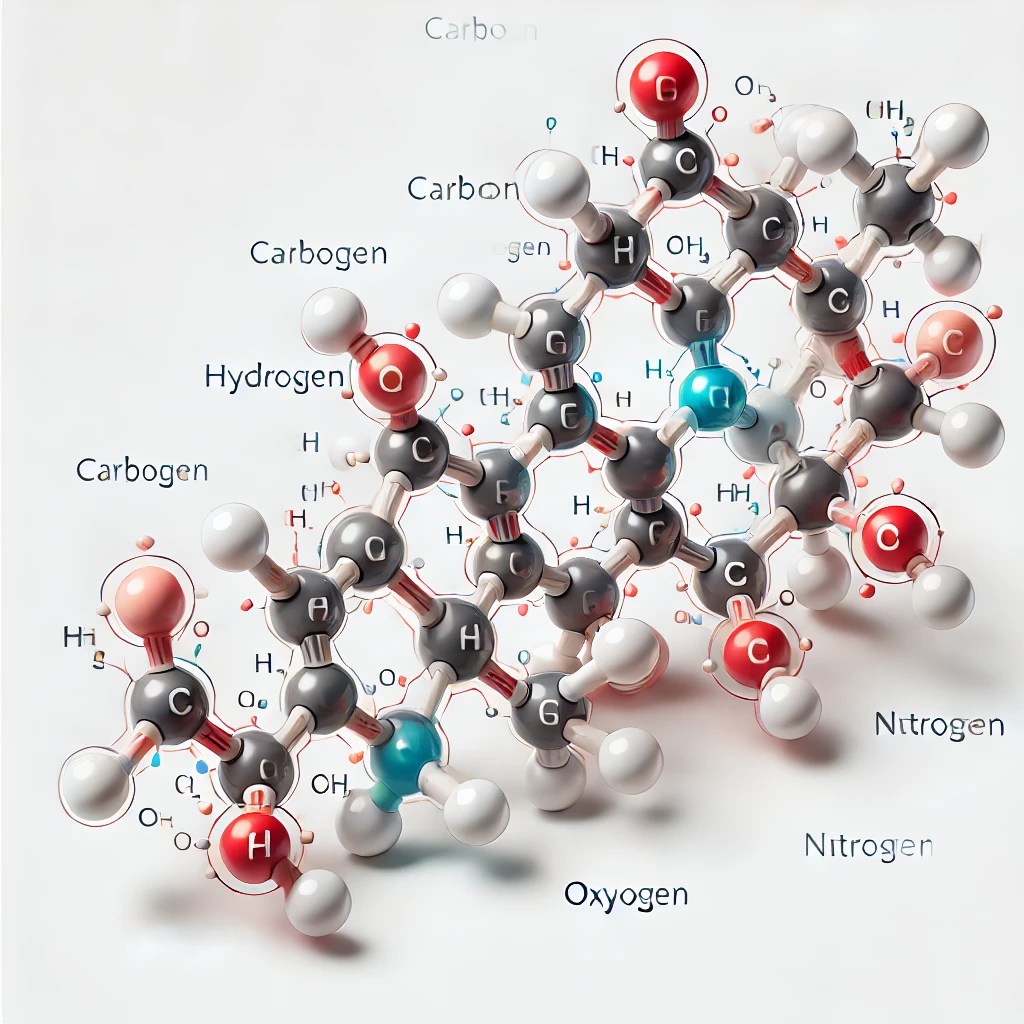
Peptides are short chains of amino acids, which are the building blocks of proteins. Think of them as tiny proteins—small enough to be absorbed easily by the body, yet powerful enough to influence a wide range of biological processes. Because of their size and structure, peptides can signal cells to perform specific functions like healing, building muscle, reducing inflammation, or improving hormone balance. They occur naturally in the body, but can also be created in labs to target specific health concerns.
One well-known example is collagen peptides, which are popular in skin and joint health. Collagen is a protein that helps maintain skin elasticity and joint integrity, and when it’s broken down into peptides, it becomes easier for the body to absorb. Another powerful peptide is BPC-157, often used in the world of recovery and sports medicine. It supports tissue repair and helps heal the gut lining, tendons, ligaments, and even nerves—making it a favorite among athletes and people dealing with chronic inflammation.
Peptides are beneficial because they work at a cellular level, often acting as messengers to trigger natural processes that may be slowed down due to aging, stress, or illness. For example, certain peptides can stimulate the body to release growth hormone, helping with muscle repair, fat loss, and improved sleep. Others may boost cognitive function, support immune health, or aid in faster recovery after surgery or injury. Since they mimic the body’s natural processes, peptides usually have fewer side effects compared to conventional drugs.
Incorporating peptide therapy can support overall wellness by promoting more efficient healing, reducing inflammation, and enhancing physical performance. Whether you’re looking to improve skin, heal from injury, support hormonal balance, or simply age more gracefully, there’s likely a peptide that can help. However, because they’re powerful and specific, it’s important to use them under the guidance of a healthcare professional who can help choose the right one for your needs.
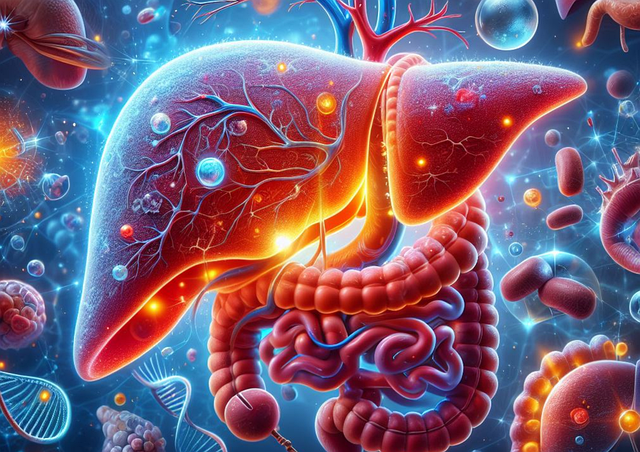
Your liver is one of the hardest-working organs in your body, playing a crucial role in metabolism, immunity, digestion, and detoxification. It also stores essential vitamins and assists in enzyme production, making it a key player in your overall well-being.
Accounting for about 2% of an adult’s body weight, the liver is structured around hexagonal lobules—tiny but powerful units with a portal triad at each corner. These triads, made up of the portal vein, hepatic artery, and bile duct, ensure that the liver receives a steady blood supply for its many functions.
At the cellular level, hepatocytes (liver cells) are organized into three zones, each responsible for different metabolic processes like bile production, detoxification, and glucose regulation. This powerhouse organ handles a wide range of tasks, including:
✔ Regulating hormones and digestion ✔ Storing fat-soluble vitamins like A, D, E, and K ✔ Balancing cholesterol levels ✔ Synthesizing proteins essential for blood clotting ✔ Playing a critical role in immune function
Perhaps most importantly, the liver helps metabolize drugs and detoxify harmful substances, transforming lipophilic toxins into hydrophilic forms so they can be excreted. With so many responsibilities, keeping your liver healthy is essential—and liver-supporting supplements can play a key role in maintaining its function.
Signs Your Liver is Crying Out for Help
Your liver works silently, without much complaint. But when it’s under stress, it sends subtle warning signs. If you experience any of the following symptoms, your liver might be begging for extra support:
🔸 Constant fatigue and sluggishness 🔸 White or yellow coating on the tongue 🔸 Chronic bad breath (even with good oral hygiene) 🔸 Unexplained weight gain, especially around the belly 🔸 Frequent cravings and blood sugar crashes 🔸 Headaches that don’t seem to have a clear cause 🔸 Digestive issues, bloating, or sluggish digestion 🔸 Nausea after eating fatty foods 🔸 Extreme sensitivity to strong smells 🔸 Pain or discomfort on the right side of your stomach 🔸 Skin problems like acne, rashes, or dull complexion
Ignoring these signs can lead to more serious liver conditions, including fatty liver disease, metabolic syndrome, diabetes, cirrhosis, and even liver cancer. If you recognize these symptoms, consider making lifestyle changes and adding liver-supportive nutrients to your routine.
5 Best Supplements for Liver Health
Supporting your liver doesn’t have to be complicated. Here are five powerful supplements that can help detoxify and strengthen your liver:
1️⃣ Milk Thistle – One of the most well-known liver-supporting herbs, milk thistle contains silymarin, a potent antioxidant that helps protect liver cells from damage and supports detoxification.
2️⃣ Grass-Fed Beef Liver – Packed with bioavailable vitamins A, B12, iron, and essential amino acids, this superfood provides crucial nutrients that support liver regeneration and function.
3️⃣ Artichoke Leaf Extract – Helps increase bile production, which is essential for breaking down fats and removing toxins. It also supports digestion and protects the liver from oxidative stress.
4️⃣ Turmeric (Curcumin) – This golden spice is a powerful anti-inflammatory and antioxidant that helps reduce liver inflammation and enhance detoxification pathways.
5️⃣ Dandelion Root – A natural diuretic, dandelion root supports liver detox by promoting bile flow and flushing out toxins, aiding digestion and reducing bloating.
Adding a sixth is an herb called Bupleurum. It is more for the emotional side of the liver. I will be writing an article about this in the near future.
Give Your Liver the Care It Deserves!
Your liver is responsible for detoxifying your body every single day, so it’s essential to support it with the right nutrients. If you’re noticing signs of liver stress, consider incorporating these powerful supplements into your daily routine—and don’t forget to maintain a healthy diet, stay hydrated, and minimize exposure to toxins.
Your liver works hard for you. Isn’t it time you returned the favor? 💚
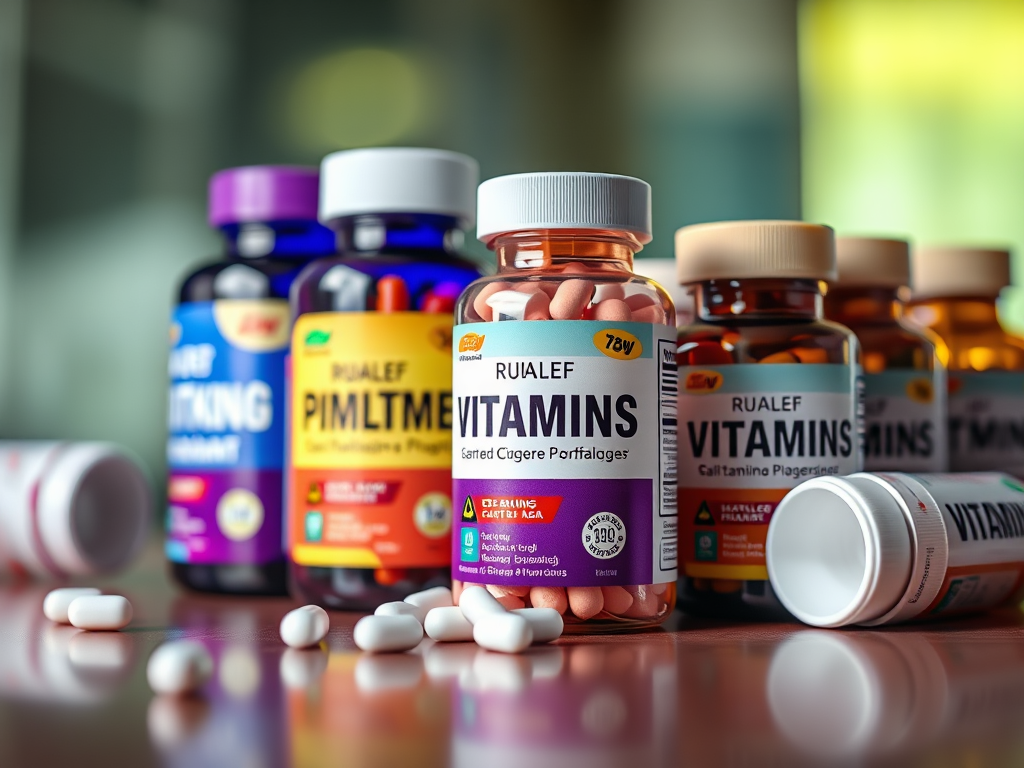
Industries thrive on false promises. Alkaline water? Check. Detox teas? Check. Lab-grown meat? Definitely check. But one of the biggest scams flying under the radar? Synthetic multivitamins.
They sell the dream: “One pill a day for all your nutrients!” But if that were true, why do nutrient deficiencies remain rampant, even though 1 in 3 Americans take them regularly?
❌ 92% lack Choline – critical for brain function ❌ 88% lack Vitamin E – essential for immune health ❌ 67% lack Vitamin K – needed for bone and heart health ❌ 50% lack Magnesium – vital for over 300 body processes
The reason? Synthetic vitamins aren’t food. They’re isolated, lab-made chemicals, often in forms the body struggles to absorb.
🔸 Iron from steak is heme iron—easily absorbed. But in most multis? Non-heme, poorly utilized iron salts. 🔸 Vitamin A from liver? Ready to use. In multis? It’s beta-carotene, which many people struggle to convert. 🔸 B12 & Folate from whole foods? Bioavailable. In multis? Synthetic versions that many can’t process, leading to potential health risks.
Real food—like eggs, steak, and liver—provides the right co-factors, enzymes, and molecular structures your body actually recognizes and absorbs.
Multivitamins give false confidence while real deficiencies persist. Ditch the synthetic quick fix. Eat like a human.
Better Alternatives: ✅ Desiccated organ supplements – Nature’s multivitamin, packed with bioavailable nutrients. ✅ Bone broth – Rich in minerals, collagen, and amino acids for gut and joint health. ✅ Raw dairy & pastured eggs – Whole food sources of vitamins A, D, K2, and essential fats.
Fuel your body the way nature intended. 🥩🍳🥛
4o
You said:
Increase length of article by 15%
ChatGPT said:
The Multivitamin Scam: Why Real Food Wins Every Time
Industries thrive on false promises. Alkaline water? Check. Detox teas? Check. Lab-grown meat? Definitely check. But one of the biggest scams flying under the radar? Synthetic multivitamins.
They sell the dream: “One pill a day for all your nutrients!” But if that were true, why do nutrient deficiencies remain rampant, even though 1 in 3 Americans take them regularly?
📉 Nutrient Deficiencies in the U.S.: ❌ 92% lack Choline – critical for brain function, metabolism, and liver health. ❌ 88% lack Vitamin E – essential for immune function and cellular repair. ❌ 67% lack Vitamin K – crucial for bone strength and heart health. ❌ 50% lack Magnesium – vital for over 300 biochemical reactions, including muscle and nerve function.
The reason? Synthetic vitamins aren’t real food. They’re isolated, lab-made chemicals, often in cheap, poorly absorbed forms that the body struggles to recognize.
🔎 Let’s Break It Down:
🔸 Iron from steak is heme iron—easily absorbed and used by the body. In most multis? It’s non-heme iron, a low-bioavailability form that isn’t nearly as effective.
🔸 Vitamin A from liver? It comes in retinol form—ready to be used immediately. In multivitamins? It’s usually beta-carotene, which your body must convert, but the conversion rate is low—just 3-10%. Many people, especially those with genetic variations, can’t convert enough to meet their needs.
🔸 B12 & Folate from whole foods? Perfectly bioavailable and instantly usable. In multivitamins? The B12 is often cyanocobalamin, a synthetic form that must be converted before the body can use it. And folate is often folic acid, which doesn’t exist in nature and can build up in the bloodstream, especially in people with MTHFR gene mutations, potentially leading to immune dysfunction and other health issues.
🔸 Zinc from food is bound to proteins for easy absorption. In most multis? It’s zinc oxide, a poorly absorbed, industrially synthesized form.
💡 Real Food Wins Every Time
Real food—like eggs, steak, and liver—provides the right co-factors, enzymes, and molecular structures that your body actually recognizes, absorbs, and uses efficiently. Unlike synthetic vitamins, these nutrients come in the perfect ratios, paired with essential enzymes and co-factors that enhance absorption and effectiveness.
Multivitamins give a false sense of security while real deficiencies persist. Simply popping a pill doesn’t mean your body is actually absorbing and using those nutrients effectively.
Ditch the synthetic quick fix. Eat like a human.
Better Alternatives That Actually Work:
✅ Desiccated organ supplements – Nature’s multivitamin, packed with bioavailable vitamins and minerals straight from liver, heart, and kidney. A perfect option if you can’t stomach eating organ meats. ✅ Bone broth – A nutrient powerhouse loaded with collagen, glycine, proline, and minerals essential for gut, skin, and joint health. ✅ Raw dairy & pastured eggs – Whole food sources of vitamins A, D, K2, essential fats, and high-quality protein—exactly what your body craves for optimal health.




 davidorman.com