
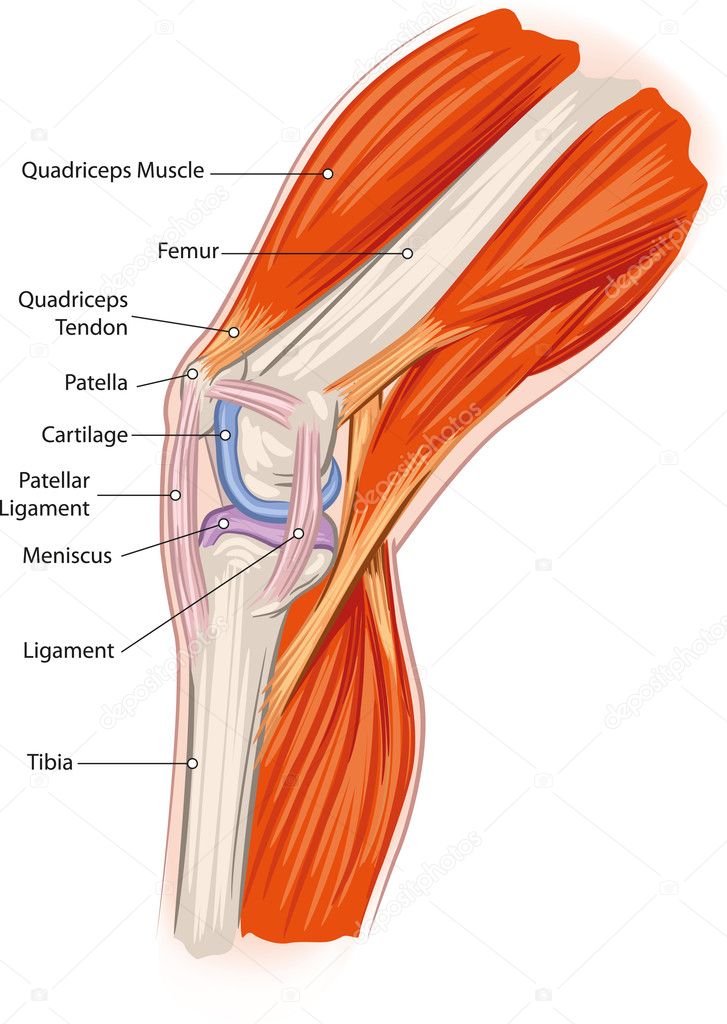
Knee injuries are among the most common musculoskeletal issues, affecting people across all age groups. In the United States alone, over 6.6 million knee injuries were reported in emergency departments between 1999 and 2008, with the highest rates among individuals aged 15 to 24 years. These injuries often result from sports activities, accidents, or degenerative conditions like osteoarthritis, which affects approximately 25% of adults and is a leading cause of disability. PubMedPMC
While conventional treatments like physical therapy and medications are common, many individuals seek natural remedies to support healing and alleviate pain. Here are four natural approaches to aid in the recovery of knee injuries:
1. Ginger: A Natural Anti-Inflammatory
Ginger is renowned for its anti-inflammatory properties, which can help reduce pain and swelling in knee injuries. Studies have shown that a daily dose of 500 to 1,000 mg of ginger extract can modestly reduce pain and improve function in individuals with osteoarthritis of the knee. Verywell Health+2Arthritis Foundation+2Natural Health Center of Medical Lake+2
How to Use:
- Oral Supplements: Available in capsules or tablets.
- Topical Applications: Ginger-infused creams can be applied directly to the knee area.
- Dietary Inclusion: Incorporate fresh ginger into meals or teas.Medical News TodaySingapore Pain Solutions+1Real Simple+1
2. Turmeric: The Golden Healer
Turmeric contains curcumin, a compound with potent anti-inflammatory and antioxidant effects. It’s been used traditionally to treat various ailments, including joint pain. Research indicates that turmeric can help reduce symptoms of knee osteoarthritis and improve mobility. Verywell Health
How to Use:
- Supplements: Curcumin capsules are widely available.
- Culinary Use: Add turmeric powder to dishes like curries, soups, or smoothies.
- Topical Pastes: Apply a paste made from turmeric powder and water to the affected area.
3. Epsom Salt Soaks
Epsom salt, rich in magnesium sulfate, is known to relieve muscle soreness and reduce inflammation. Soaking the knee in an Epsom salt bath can alleviate pain and promote healing. Singapore Pain Solutions
How to Use:
- Bath Soak: Dissolve 1-2 cups of Epsom salt in warm bath water and soak for 15-20 minutes.
- Compress: Soak a cloth in Epsom salt solution and apply it to the knee.
4. Tai Chi: Gentle Movement Therapy
Tai Chi, a form of low-impact exercise, combines slow movements with deep breathing. It’s beneficial for improving balance, flexibility, and strength, which can aid in knee injury recovery. Practicing Tai Chi has been shown to reduce pain and enhance physical function in individuals with knee osteoarthritis. Medical News Today
How to Practice:
- Classes: Join a local Tai Chi class to learn proper techniques.
- Online Tutorials: Utilize online resources and videos for guided sessions.
- Consistency: Aim for regular practice, even if it’s just a few minutes daily.
Conclusion
Incorporating natural remedies like ginger and turmeric, along with practices such as Epsom salt soaks and Tai Chi, can complement traditional treatments for knee injuries. Always consult with a healthcare professional before starting any new treatment regimen to ensure it’s appropriate for your specific condition.Singapore Pain Solutions
 davidorman.com