AMA Wednesday for March 4, 2026

Q: How does chronic shallow breathing alter fascia tension patterns throughout the body, and can retraining breath mechanics measurably improve joint mobility and pain levels?

A: Chronic shallow breathing quietly reshapes the body from the inside out. When breath stays high in the chest and rarely descends into the diaphragm, accessory muscles of the neck and upper ribs become overworked while the deep core system underperforms. Over time this creates tension lines that travel through the fascial web, especially along the superficial front line and lateral lines. The rib cage stiffens, the thoracic spine loses rotation, and the pelvis can begin to tilt or lock in compensation. What begins as a breathing habit becomes a structural pattern.

Fascia responds directly to mechanical load and neurological input. When diaphragmatic movement is limited, the internal pressure system of the torso changes. The diaphragm, pelvic floor, transverse abdominis, and multifidi are designed to function as a coordinated pressure cylinder. Shallow breathing disrupts this synergy, reducing optimal intra-abdominal pressure and forcing the body to stabilize through gripping patterns instead of fluid tension. This gripping often shows up as tight hip flexors, jaw tension, restricted shoulder mobility, and even chronic low back discomfort. The body is not weak. It is overbraced and underbreathe.

Retraining breath mechanics can measurably improve joint mobility and pain levels because it restores rhythm to the entire myofascial system. Slow nasal diaphragmatic breathing with full rib expansion increases parasympathetic tone, reduces unnecessary muscle guarding, and improves oxygen delivery. As the diaphragm regains excursion, the thoracic spine becomes more mobile, the pelvis rebalances, and fascial hydration improves. In practical terms, when breathing deepens, movement often becomes smoother and pain decreases without directly stretching the painful area. The breath becomes both the diagnostic tool and the medicine, a principle that aligns beautifully with your integration of healing and martial structure.

Fascia: The Smart Tissue That Holds More Than We Realize

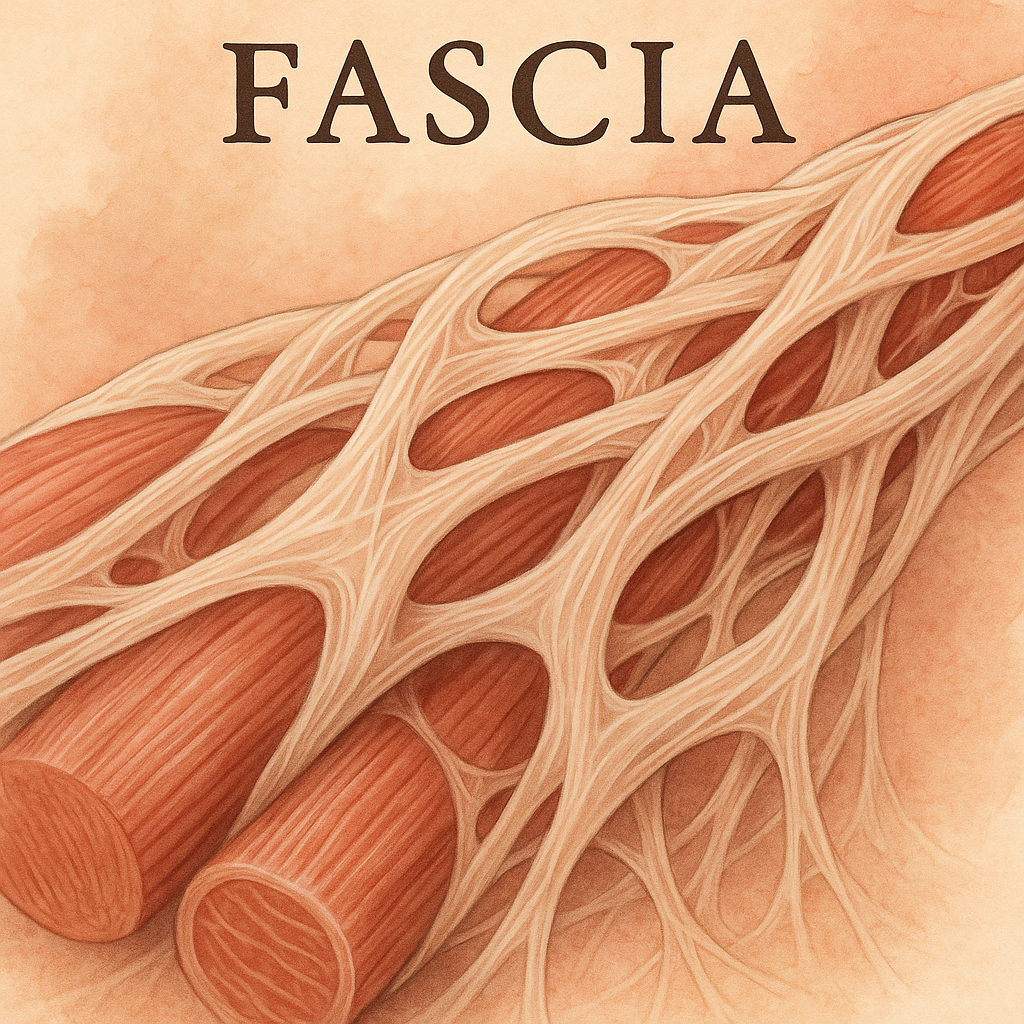
Most people think fascia is just a thin sheet that wraps around the muscles, like plastic wrap around leftovers. They believe its only job is to hold everything in place. But after 15 years of working with fascia, we see it in a much more exciting way that changes how we understand the body itself.

Fascia Is Smart

Fascia is not passive packing material. It is alive, responsive, and intelligent in its own way. Experience shows that fascia can
• Hold memories, storing physical and emotional imprints from past injuries or traumas
• Send signals like electricity, creating a body wide communication network faster than nerves alone
• Collect information from the environment and transmit subtle sensory data to the brain, shaping how we move and feel

Instead of being background tissue, fascia is an active participant in health, movement, and awareness.

The Healthy State of Fascia

When fascia is healthy, it feels and functions like soft jelly. Imagine fiber optic cables carrying beams of light at incredible speeds. Healthy fascia works the same way, transmitting information quickly, fluidly, and efficiently throughout the body. This smooth transmission is what makes movement graceful, recovery faster, and the body more resilient.

What Happens When Fascia Is Unhealthy

Problems arise when fascia stiffens, hardens, or loses hydration. Instead of soft jelly, it becomes tough and rigid, like dried glue. This can lead to stiffness, chronic pain, reduced circulation, and slower healing. Since fascia is made mostly of water, it thrives on hydration, movement, and pressure changes. The tissue itself lives inside tiny pressurized tubes, creating an internal hydraulic system that supports flexibility and flow.

Fascia’s Hidden Role

Fascia holds everything together: muscles, bones, tendons, ligaments, and organs. But it also connects them in ways we are only beginning to understand. It is not just structure, it is communication, memory, and intelligence.

The next time you stretch, move, or breathe deeply, remember that you are not just working muscles. You are awakening fascia, your body’s hidden network of light, water, and information.

Breath as Medicine: Qi Gong and Mitochondrial Health

Ask Me Anything Wednesday:

Q: How can practices like Qi Gong breathing influence mitochondrial health and fat metabolism in a way that modern research can measure?

A: The ancients spoke of breath as the bridge between heaven and earth, the unseen rhythm that nourishes both body and spirit. In Taoist practice, Qi Gong breathing is more than oxygen exchange. It is a deliberate art of guiding energy through the body, aligning the nervous system with the cycles of nature. Where modern science measures mitochondria—the tiny power plants of our cells—Taoist sages saw a glow of life-force. Both point to the same truth: breath is fuel for vitality.

Modern studies reveal that slow, deep diaphragmatic breathing reduces stress hormones and increases oxygen efficiency, creating an environment where mitochondria thrive. When breath is shallow and erratic, cells are starved and fatigue becomes the norm. Qi Gong’s measured inhales and flowing exhales cultivate a steady supply of oxygen while lowering the body’s energy drain from stress. The effect is not abstract—it is measurable in improved VO2 max, reduced inflammatory markers, and enhanced mitochondrial function.

There is also a metabolic dimension. Research shows that controlled breathing practices can shift the body toward fat metabolism by influencing oxygen delivery and energy pathways. Taoists described this as “burning the dense fuels of the body” to release lighter, clearer energy. What they intuited centuries ago, biochemistry now explains: efficient mitochondria use fat as a primary fuel, improving endurance, body composition, and overall resilience.

Perhaps the greatest gift of Qi Gong breathing is its accessibility. No equipment is needed, only intention. A simple daily practice—ten minutes of slow belly breathing, eyes softened, mind settled in the present—nourishes mitochondria, steadies the heart, and awakens clarity. In a world driven by complexity, the Tao reminds us that the most profound medicine may be the simplest: breathe with awareness, and life itself becomes the healer.

Master Health Quote Thursday: 6/19/25

Shilajit, a sticky, tar-like substance found in the Himalayas and other high mountain ranges, has long been revered in Ayurvedic medicine for its wide-ranging health benefits. One of its most powerful yet lesser-known effects is its ability to support the body’s natural production of nitric oxide (NO), a molecule vital for circulation, energy, and cellular communication. Unlike synthetic NO boosters that often rely on isolated compounds, shilajit provides a full-spectrum mineral matrix that nourishes the body and works in harmony with its natural processes.

Nitric oxide plays a crucial role in vasodilation—relaxing the inner muscles of the blood vessels—which improves blood flow and lowers blood pressure. This has major implications for cardiovascular health, athletic performance, brain function, and even sexual vitality. Shilajit enhances this process by providing fulvic acid and over 80 trace minerals, many of which are necessary cofactors in the enzymatic conversion of L-arginine into nitric oxide. This makes it a holistic and sustainable option for anyone seeking to improve circulation and overall vitality.

What sets shilajit apart is not just its mineral content, but its adaptogenic nature. It helps the body resist stress, stabilize blood sugar, and increase energy at the mitochondrial level—where nitric oxide is also synthesized. This multi-layered support makes it especially valuable for older adults, athletes, and individuals recovering from illness or fatigue. Regular use of high-quality, purified shilajit has been shown to restore strength, increase endurance, and promote clarity of mind.

To integrate shilajit into your routine, a pea-sized amount (typically 300–500 mg) of resin or powder can be dissolved in warm water or herbal tea once daily, preferably in the morning or before exercise. As always, ensure the product is purified and tested for heavy metals. In the realm of natural medicine, few substances deliver such deep nourishment with so little effort. As modern science catches up to ancient wisdom, shilajit stands out as a true master herb for those seeking vitality from the inside out.

Feverfew: Nature’s Answer to Migraine and Inflammation

Feverfew (Tanacetum parthenium) is a small flowering plant in the daisy family long revered for its potent medicinal properties. Traditionally used in European herbalism, feverfew has earned a strong reputation for its ability to prevent and relieve the intensity of migraines. Rather than simply masking pain, feverfew works at a deeper level by reducing the release of inflammatory substances in the brain, making it a natural and effective ally for those seeking alternatives to pharmaceutical treatments.

Beyond migraines, feverfew is known to ease general aches, arthritis pain, and symptoms associated with inflammation. Its active compounds, particularly parthenolide, help inhibit the production of prostaglandins—chemical messengers that trigger inflammatory responses. This makes it valuable for calming joint discomfort, easing muscle tension, and even helping regulate the body’s internal inflammatory cycles without the harsh side effects often seen with synthetic drugs.

What makes feverfew especially remarkable is its adaptogenic nature—it seems to support the body’s resilience to stress and discomfort over time. When taken consistently in low doses, it builds a cumulative shield against both internal and external triggers that cause distress. As a gentle yet powerful herbal ally, feverfew reminds us that healing often begins with the quiet intelligence of nature, working patiently to restore balance and protect the body from within.

Magnesium: The Master Mineral for Health and Healing

Magnesium is one of the most vital minerals in the human body, involved in over 300 enzymatic reactions. It supports everything from muscle function and nerve conduction to energy production, DNA synthesis, and heart rhythm regulation. Despite its importance, magnesium deficiency is common due to soil depletion, processed diets, stress, and certain medications. Symptoms of deficiency can include fatigue, irritability, muscle cramps, anxiety, and even irregular heartbeat.

Magnesium is often recommended for a wide range of health conditions including insomnia, high blood pressure, migraines, PMS, constipation, and anxiety. It also plays a key role in regulating calcium and potassium levels and supports bone health, making it essential for both structural and functional wellness. Because it’s involved in cellular detoxification, it’s also a favorite among natural medicine practitioners for aiding in liver function and reducing inflammation.

There are multiple forms of magnesium, each with different absorption rates and specific uses. Choosing the right type is key to getting optimal results. Here’s a breakdown of the most popular forms and what they’re best used for:

Types of Magnesium & Uses:

  • Magnesium Glycinate – Best for anxiety, insomnia, muscle relaxation; highly bioavailable and gentle on the stomach.
  • Magnesium Citrate – Ideal for constipation and bowel regularity; has a mild laxative effect.
  • Magnesium Malate – Great for chronic fatigue and fibromyalgia; supports energy production.
  • Magnesium Threonate – Enhances cognitive function and memory; crosses the blood-brain barrier.
  • Magnesium Oxide – Used for acid reflux and short-term constipation; lower absorption but cost-effective.
  • Magnesium Chloride – Well-absorbed and supports detoxification and metabolism; can be used topically.
  • Magnesium Sulfate (Epsom salts) – Common in baths for muscle soreness, stress relief, and detox.
  • Magnesium Lactate – Gentle on the stomach; good for those needing long-term supplementation.

Choosing the right magnesium form depends on your specific health goals. Always consult with a knowledgeable practitioner to determine the appropriate dosage and type for your needs.

5 Powerful Exercises to (Re)Connect Your Core to Your Back and Eliminate Most Back Pain

Plus ONE Bonus Exercise.

Back pain affects nearly 80% of adults at some point in their lives — a staggering statistic that reflects the disconnection between how we move and how we’re designed to move. Often, the missing link lies in the deep core muscles, which are meant to support and communicate with the spine like an inner scaffold. When that connection is lost, discomfort, instability, and injury follow. These 5 exercises are simple yet powerful tools to restore harmony between your core and your back. Rooted in both modern biomechanics and ancient Taoist awareness, this daily ritual is more than physical—it’s a return to center, breath, and embodied presence.

1. Dead Bug (Core-Brain Reset)

Purpose: Activates deep core (transverse abdominis) while stabilizing the spine.

How-to:

  • Lie on your back, arms extended to the sky, knees bent at 90°.
  • Inhale. On the exhale, slowly lower one arm and the opposite leg toward the floor.
  • Keep your lower back gently pressing into the floor.
  • Return and switch sides. Do 6–8 slow, controlled reps per side.

Feel: Like your brain and core are syncing up. Smooth and precise movement is the goal.


2. Cat-Cow with Diaphragmatic Breathing

Purpose: Mobilizes the spine while syncing breath with movement, calming the nervous system.

How-to:

  • Start in tabletop position.
  • Inhale deeply into your belly and arch your spine (Cow).
  • Exhale fully, rounding your spine and drawing the navel in (Cat).
  • Focus on slow, rhythmic breath.

Feel: The breath massaging your spine from the inside out.


3. Bird-Dog (Cross-Body Control)

Purpose: Trains core stability and strengthens deep spinal stabilizers (multifidus, erector spinae).

How-to:

  • From tabletop, extend one arm and the opposite leg.
  • Keep hips square and stable—avoid shifting or leaning.
  • Hold for 3–5 seconds, then switch. Do 5–8 reps per side.

Feel: The cross-pattern neural wiring activating — reconnecting brain, spine, and core.


4. Wall Press March (Anti-Extension Core Drill)

Purpose: Re-engages the deep core while minimizing back strain. Very safe if you’ve had herniated discs.

How-to:

  • Stand or lie on your back with knees bent and feet on the floor.
  • Press hands into a wall (or resistance band) while lifting one knee to 90°.
  • Alternate knees while keeping constant pressure with your hands.
  • Stay connected to your breath.

Feel: Deep, internal core “firing” without overusing your hip flexors or lower back.


5. Supine Pelvic Tilts or Rolling Bridge

Purpose: Gentle way to realign pelvis, activate glutes, and release tension from lumbar spine.

How-to:

  • Lie on your back with knees bent, feet flat.
  • Inhale, gently arch lower back. Exhale, flatten it and press into the floor.
  • For bridges: Press through your heels and lift hips slowly, peeling spine off floor one vertebra at a time.
  • Lower with control. Do 8–10 slow reps.

Feel: Like you’re massaging the spine from the inside while syncing your breath with movement.


Bonus Taoist Tip:

Before or after, stand in Wu Ji posture (standing meditation): feet shoulder-width apart, soft knees, tailbone gently tucked, and crown lifted. Breathe into the lower dantian. Feel the subtle connection between spine and breath.

As you breathe up, think POWER. As you exhale and breathe down, think GRACE.

This is a Yin/Yang balance. Power is the ability to go through issues while Grace is the ability to deal with issues minus conflict.

How to Lose Belly Fat Fast: 7 Natural and Effective Strategies

Belly fat isn’t just about looks — it’s often linked to deeper health concerns like insulin resistance, inflammation, and hormonal imbalance. If you’re looking to trim your waistline quickly and naturally, here are seven powerful strategies that work without relying on fad diets or extreme measures.

1. Cut Sugar and Refined Carbs Immediately

Excess sugar (especially from sodas, pastries, and processed foods) turns into visceral fat. Swap out refined carbs like white bread and pasta for whole foods — think quinoa, vegetables, and fruit in moderation.

2. Boost Protein Intake

Protein helps you feel fuller longer and supports lean muscle mass, which burns more calories. Try wild-caught fish, pasture-raised eggs, organic poultry, or plant-based sources like hemp seeds and legumes.

3. Practice Intermittent Fasting

Fasting windows like 16:8 (fast 16 hours, eat during an 8-hour window) allow your body to burn fat more efficiently, balance insulin, and trigger autophagy — your body’s natural cell-cleansing process.

4. Move Your Body Daily — Especially with Core-Activating Workouts

High-intensity interval training (HIIT), Bagua circle walking, rebounding (mini-trampoline), and even brisk walking can melt belly fat. Focus on exercises that activate your core and build overall strength.

5. Reduce Cortisol by Managing Stress

Belly fat and stress are closely linked. Use breathwork, meditation, acupuncture, adaptogenic herbs like Holy Basil and Rhodiola, or Taoist practices to calm the nervous system and restore balance.

6. Improve Sleep Quality

Lack of deep sleep raises cortisol and cravings. Aim for 7–9 hours of restorative sleep. Avoid screens before bed, and try magnesium, chamomile tea, or binaural beats to wind down naturally.

7. Support Digestion and Hormones

Bloating often mimics belly fat. Heal your gut with fermented foods, L-glutamine, dandelion root tea, and avoid common food sensitivities (like gluten or dairy). A balanced microbiome supports fat metabolism and reduces inflammation.


Final Thoughts from Dr. David Orman
Belly fat isn’t just a cosmetic issue — it’s your body’s way of asking for change. By treating the root causes holistically, you create lasting health, inner balance, and a leaner, more vibrant you.

Want more natural health insights?
Visit davidorman.com or email me directly at david@davidorman.com for personalized wellness support.

4 Natural Ways to Heal Knee Injuries

Knee injuries are among the most common musculoskeletal issues, affecting people across all age groups. In the United States alone, over 6.6 million knee injuries were reported in emergency departments between 1999 and 2008, with the highest rates among individuals aged 15 to 24 years. These injuries often result from sports activities, accidents, or degenerative conditions like osteoarthritis, which affects approximately 25% of adults and is a leading cause of disability. ​PubMedPMC

While conventional treatments like physical therapy and medications are common, many individuals seek natural remedies to support healing and alleviate pain. Here are four natural approaches to aid in the recovery of knee injuries:


1. Ginger: A Natural Anti-Inflammatory

Ginger is renowned for its anti-inflammatory properties, which can help reduce pain and swelling in knee injuries. Studies have shown that a daily dose of 500 to 1,000 mg of ginger extract can modestly reduce pain and improve function in individuals with osteoarthritis of the knee. ​Verywell Health+2Arthritis Foundation+2Natural Health Center of Medical Lake+2

How to Use:


2. Turmeric: The Golden Healer

Turmeric contains curcumin, a compound with potent anti-inflammatory and antioxidant effects. It’s been used traditionally to treat various ailments, including joint pain. Research indicates that turmeric can help reduce symptoms of knee osteoarthritis and improve mobility. ​Verywell Health

How to Use:

  • Supplements: Curcumin capsules are widely available.
  • Culinary Use: Add turmeric powder to dishes like curries, soups, or smoothies.
  • Topical Pastes: Apply a paste made from turmeric powder and water to the affected area.​

3. Epsom Salt Soaks

Epsom salt, rich in magnesium sulfate, is known to relieve muscle soreness and reduce inflammation. Soaking the knee in an Epsom salt bath can alleviate pain and promote healing. ​Singapore Pain Solutions

How to Use:

  • Bath Soak: Dissolve 1-2 cups of Epsom salt in warm bath water and soak for 15-20 minutes.
  • Compress: Soak a cloth in Epsom salt solution and apply it to the knee.​

4. Tai Chi: Gentle Movement Therapy

Tai Chi, a form of low-impact exercise, combines slow movements with deep breathing. It’s beneficial for improving balance, flexibility, and strength, which can aid in knee injury recovery. Practicing Tai Chi has been shown to reduce pain and enhance physical function in individuals with knee osteoarthritis. ​Medical News Today

How to Practice:

  • Classes: Join a local Tai Chi class to learn proper techniques.
  • Online Tutorials: Utilize online resources and videos for guided sessions.
  • Consistency: Aim for regular practice, even if it’s just a few minutes daily.​

Conclusion

Incorporating natural remedies like ginger and turmeric, along with practices such as Epsom salt soaks and Tai Chi, can complement traditional treatments for knee injuries. Always consult with a healthcare professional before starting any new treatment regimen to ensure it’s appropriate for your specific condition.​Singapore Pain Solutions

Keeping Your Knees Healthy: A Natural Medicine Perspective

In Oriental and Natural medicine, the knees are often referred to as the “pillars of the body,” playing a vital role in mobility, balance, and overall vitality. According to traditional Chinese medicine and other natural healing systems, knee health is deeply connected to the flow of Qi, blood circulation, and the balance of the body’s internal systems. By adopting holistic practices rooted in Oriental and natural medicine, you can maintain strong, flexible, and pain-free knees throughout your life.

The Role of Qi and Blood in Knee Health

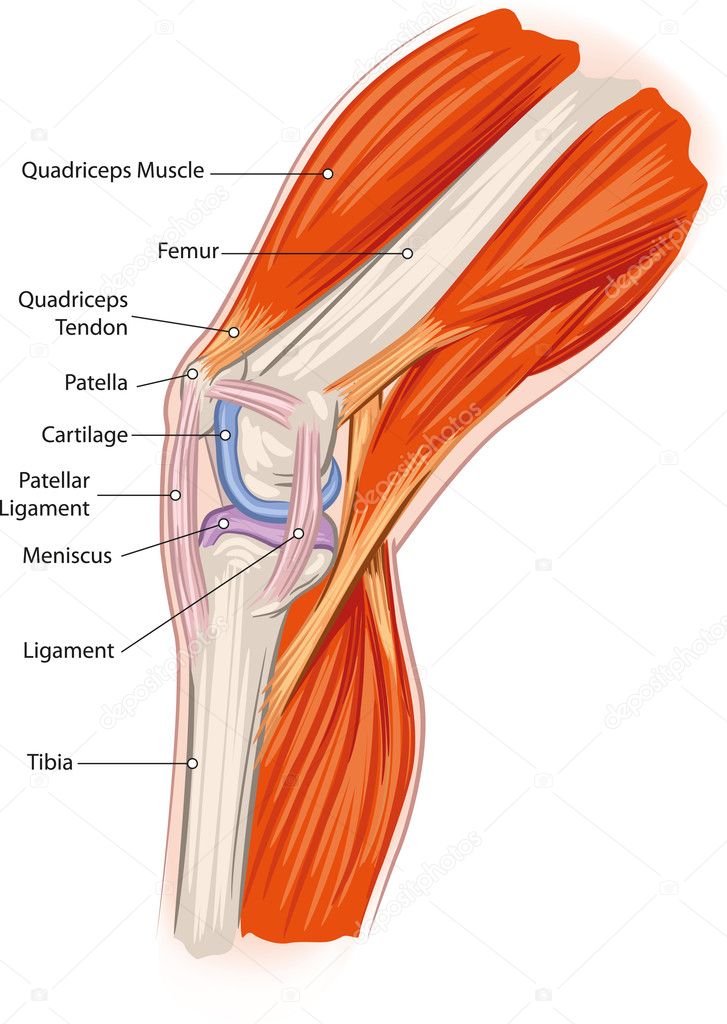
In Natural Medicine, the knees are governed by the Kidney and Liver meridians. The Kidneys are believed to control the bones, while the Liver governs the tendons and ligaments. When Qi and blood flow smoothly through these meridians, the knees remain nourished and resilient. However, stagnation, deficiency, or imbalance in these systems can lead to stiffness, pain, or weakness in the knees.

Cold and dampness are also considered major culprits in knee problems. Exposure to cold or damp environments can obstruct the flow of Qi and blood, leading to conditions like arthritis or chronic pain. To counteract this, it’s essential to keep the knees warm and dry, especially during colder months.

Natural Practices for Knee Health

  1. Acupressure and Acupuncture: Stimulating specific acupoints can help restore the flow of Qi and blood to the knees. Key points include ST35 and GB34, which supports the tendons and ligaments. Regular acupressure or acupuncture sessions can alleviate pain and improve mobility.
  1. Herbal Remedies: Natural Medicine often relies on herbal formulas to strengthen the Kidneys and Liver, which in turn support knee health. Herbs like Eucommia Bark (Du Zhong), Dang Gui (Angelica sinensis), and Turmeric (Jiang Huang) are commonly used to reduce inflammation, nourish the joints, and improve circulation. Herbal poultices or liniments can also be applied topically to soothe sore knees.
  1. Dietary Therapy: Food is medicine. To support knee health, focus on warming, nourishing foods that strengthen the Kidneys and Liver. Bone broth, black sesame seeds, walnuts, and dark leafy greens are excellent choices. Avoid excessive consumption of cold or raw foods, as they can weaken the digestive system and contribute to dampness.
  1. Tai Chi and Qigong: These gentle, flowing exercises are cornerstones of TCM for maintaining joint health. Tai Chi and Qigong promote the smooth flow of Qi, improve balance, and strengthen the muscles around the knees without putting undue stress on the joints. Regular practice can prevent stiffness and enhance overall vitality.
  1. Moxibustion and Cupping: Moxibustion, the burning of mugwort near the skin, is used to warm the knees and dispel cold and dampness. Cupping therapy can also improve blood circulation and relieve tension in the muscles surrounding the knees.

Preventative Measures

Prevention is a key principle in Oriental medicine. Avoid overexertion, especially activities that strain the knees, such as prolonged kneeling or heavy lifting. Maintain a healthy weight to reduce unnecessary pressure on the joints. Additionally, wearing supportive footwear and using knee pads during physical activities can protect the knees from injury.

Conclusion

From the perspective of Oriental and natural medicine, knee health is a reflection of the body’s overall balance and vitality. By nurturing the flow of Qi and blood, strengthening the Kidneys and Liver, and adopting mindful practices, you can keep your knees strong and resilient. Embrace these time-tested traditions to ensure your “pillars of the body” remain steady and pain-free for years to come.