

Weight Loss Made Simple

OK, maybe not “simple” but certainly simpler.

Weight loss can be a great challenge for many despite the fact there is so much information about the topic. From treatments to supplements to ice baths and 1001 things in between, there are seemingly infinite numbers of methods to lose weight. Despite that, some 41% of adults (according to the CDC) are obese, an increase of 10% over the past decade. And increasing.

To add another supplement or “quick treatment” to the mix clearly is not working. Perhaps it is not always what we are eating but HOW we are eating. Here are a half dozen methods which can in fact, improve digestion, absorption and ultimately lead to permanent fat loss.

  1. Serve Smaller Portions
    One of the easiest ways to reduce your intake is by simply serving smaller portions.Studies show that we tend to eat more when we’re given more. Use smaller plates, bowls, or glasses to trick your brain into thinking you’re eating a full meal, even if you’re consuming fewer calories.
  2. Eat Without Distractions
    Emphasizes the importance of mindful eating. When we eat while distracted—watching TV, working, or scrolling through our phones—we’re more likely to overeat. Focus on the food in front of you, savoring each bite. This helps you recognize when you’re full and prevents overeating.
  3. Avoid Eating from Large Packages
    Large containers, like family-sized bags of chips or cereal boxes, can encourage mindless overeating. Instead, portion out your snacks into smaller bowls or containers. This makes it easier to control how much you consume and limits the temptation to go back for more.
  4. Use the “Pre-Commitment” Strategy
    Decide in advance how much to eat at a party or restaurant. Having a predetermined plan reduces impulsive eating and can help you stick to healthier choices.
  5. Keep Unhealthy Foods Out of Sight
    Research from Mindless Eating shows that we eat more of the foods we can see. Keep unhealthy snacks out of view or in less accessible areas of your kitchen. Instead, make healthier options like fruits and veggies more visible and easily reachable.
  6. Slow Down and Take Breaks
    Eating too quickly can lead to overeating because our brain doesn’t have enough time to register fullness. It is recommended taking breaks while eating, putting down your utensils between bites, and eating slowly. This helps give your body time to signal when it’s satisfied.

By being mindful of these simple changes, you can significantly reduce your food intake without feeling deprived, leading to healthier habits in the long run.

Enhance Your Endurance: Herbs, Substances, and Techniques

Improving endurance is a common goal for Martial Artists, fitness enthusiasts, and anyone looking to boost their physical stamina. While traditional methods like weight training and nutrition are widely known, natural medicine offers several unique approaches to enhancing endurance. By incorporating herbs, natural substances, and lesser-known methods (you will learn one here), you can naturally increase your energy levels, improve recovery time, and build sustained stamina.

One of the most powerful herbs for endurance is Ginseng. (I will be doing a future article on the different types of Ginseng and what they are used for.) Known for its adaptogenic properties, ginseng helps the body adapt to stress and fatigue. It has been used for centuries in traditional Chinese medicine to enhance physical performance and increase energy levels. Ginseng works by improving oxygen uptake and reducing the perception of effort during exercise, leading to more efficient and sustained performance. Regular use of ginseng supplements or tea before workouts can help build endurance over time.

Another herb that can enhance endurance is Ashwagandha. This herb is renowned for its ability to reduce stress and boost overall vitality. As an adaptogen, ashwagandha helps the body cope with physical exertion and lowers cortisol levels, which can otherwise hinder endurance. Studies have shown that ashwagandha supplementation can increase VO2 max, a measure of cardiovascular endurance. Adding ashwagandha to your routine may help improve stamina, reduce fatigue, and support long-term athletic performance.

In addition to herbs, a natural substance like beetroot powder has gained popularity among endurance athletes for its ability to improve oxygen delivery to muscles. Beetroot is rich in nitrates, which the body converts into nitric oxide. Nitric oxide helps dilate blood vessels, improving circulation and increasing the amount of oxygen delivered to muscles during physical activity. Regular consumption of beetroot powder or juice can help enhance endurance by improving muscle efficiency and reducing fatigue.

Finally, a unique and lesser-known technique for improving endurance is breathwork. Specifically, practices like the Buteyko method (look for a future article on this soon) can significantly impact stamina. These breathing exercises focus on controlling breath to increase oxygen efficiency and reduce energy wastage. Controlled breathing can help optimize oxygen levels during intense physical activity, leading to improved endurance and reduced feelings of breathlessness. Implementing breathwork into your routine, even for just a few minutes daily, can enhance both physical performance and recovery.

Incorporating these natural remedies and techniques into your lifestyle can provide a holistic approach to improving endurance. Whether through the use of adaptogenic herbs like ginseng and ashwagandha, natural substances such as beetroot, or integrating breathwork into your training, there are many ways to naturally build stamina and enhance athletic performance.

Natural Joint Health: Key Herbs and Nutrition

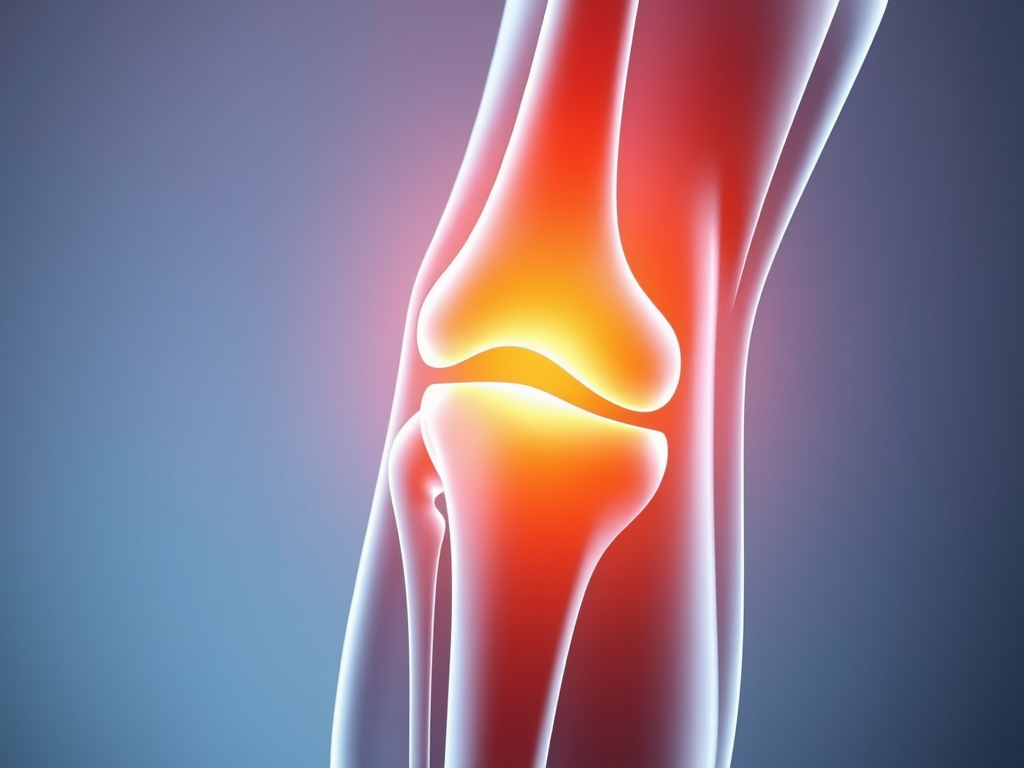
Joint health and repair are essential for overall mobility and quality of life, particularly as we age or endure physical strain. From a natural health perspective, the focus is on restoring and maintaining joint function through a combination of proper nutrition, herbs, and lifestyle adjustments.

Natural approaches aim to target the root causes of joint discomfort, such as inflammation, cartilage degradation, and poor circulation, by utilizing natural substances that enhance the body’s ability to heal and regenerate. A diet rich in anti-inflammatory foods and essential nutrients is crucial to supporting long-term joint health.

Epimedium is a powerful herb commonly used to support joint health and repair. It contains compounds called flavonoids, with icariin being the most notable, which have been shown to possess anti-inflammatory and antioxidant properties. Epimedium has been traditionally used in herbal medicine to improve circulation, reduce inflammation, and enhance the repair of damaged tissues, making it a valuable herb for joint health. Studies suggest that icariin in Epimedium helps stimulate the production of collagen, an essential protein for maintaining healthy cartilage, thereby supporting the regeneration of joint tissues and potentially slowing the degeneration of joints over time.

As a side note, Epimedium also help people become more organized. For those who are scattered in their thoughts or external world (Ex/ messy desks), this is the ideal substance.

Manganese is another crucial mineral for joint health, as it plays a pivotal role in the formation of connective tissues, including cartilage. This trace mineral is involved in the synthesis of proteoglycans, which are vital for the structural integrity of cartilage. Manganese also acts as an antioxidant, protecting the joints from oxidative stress, which can contribute to inflammation and tissue damage. Foods rich in manganese, such as nuts, seeds, whole grains, and leafy vegetables, can help replenish the body’s stores of this essential mineral.

Supplementing with manganese, when necessary, may further support joint repair, particularly for individuals suffering from cartilage degeneration or arthritis.

Incorporating regular physical activity, along with proper hydration and a healthy diet, is essential for maintaining joint health naturally. Low-impact exercises such as swimming, cycling, or yoga are excellent for strengthening the muscles around the joints, improving flexibility, and enhancing circulation, all of which promote the body’s ability to repair itself.

Additionally, adopting an anti-inflammatory diet that includes omega-3 fatty acids, antioxidants, and collagen-boosting foods can further support the health of the joints. When combined with natural remedies like

Epimedium and manganese, these lifestyle changes offer a holistic and effective approach to addressing joint issues and promoting long-term joint health.