Bai Tou Weng, The Decisive Herb That Clears Heat and Restores Balance

Bai Tou Weng, known botanically as Pulsatilla chinensis, is a classic heat clearing and toxin resolving herb in traditional Chinese medicine. It is most famous for its strong action against damp heat lodged in the intestines, particularly when heat and toxicity create diarrhea, dysentery, or inflammatory bowel patterns. Historically, it was reserved for conditions where heat was intense and lingering, often accompanied by burning sensations, urgency, and irritability. This is not a gentle tonic herb but a decisive one, used when the body needs firm guidance back toward balance.

From a modern perspective, Bai Tou Weng is recognized for its antimicrobial, anti inflammatory, and immune regulating properties. Research has explored its activity against bacteria and protozoa, which helps explain its long standing use in infectious gastrointestinal conditions. It also shows potential cardiovascular and circulatory benefits through its cooling and blood calming effects. When used correctly and in proper formulas, it can help reduce systemic inflammation and restore functional harmony in the gut, which in turn supports overall immune resilience.

Energetically, Bai Tou Weng carries a descending, cooling quality that clears excess heat without scattering vitality when used appropriately. On an emotional level, it is associated with calming agitation that arises from internal heat, such as frustration, impatience, or restlessness. In classical Taoist terms, it helps settle turbulent fire so clarity and grounded awareness can return. Like many powerful herbs, its wisdom lies not in frequent use but in precise application, reminding us that true healing often comes from knowing when to act strongly and when to step back.


Your body already knows how to heal. It is waiting for the right guide.
One on one work with me removes the noise, the confusion, the wasted years.
Every session is precise, private, and designed to create real change you can feel.
If you are ready to stop searching and start transforming, this is your moment.

CLICK HERE TO SIGN UP NOW

Leonurus (Motherwort): Nature’s Gift for the Heart and Spirit

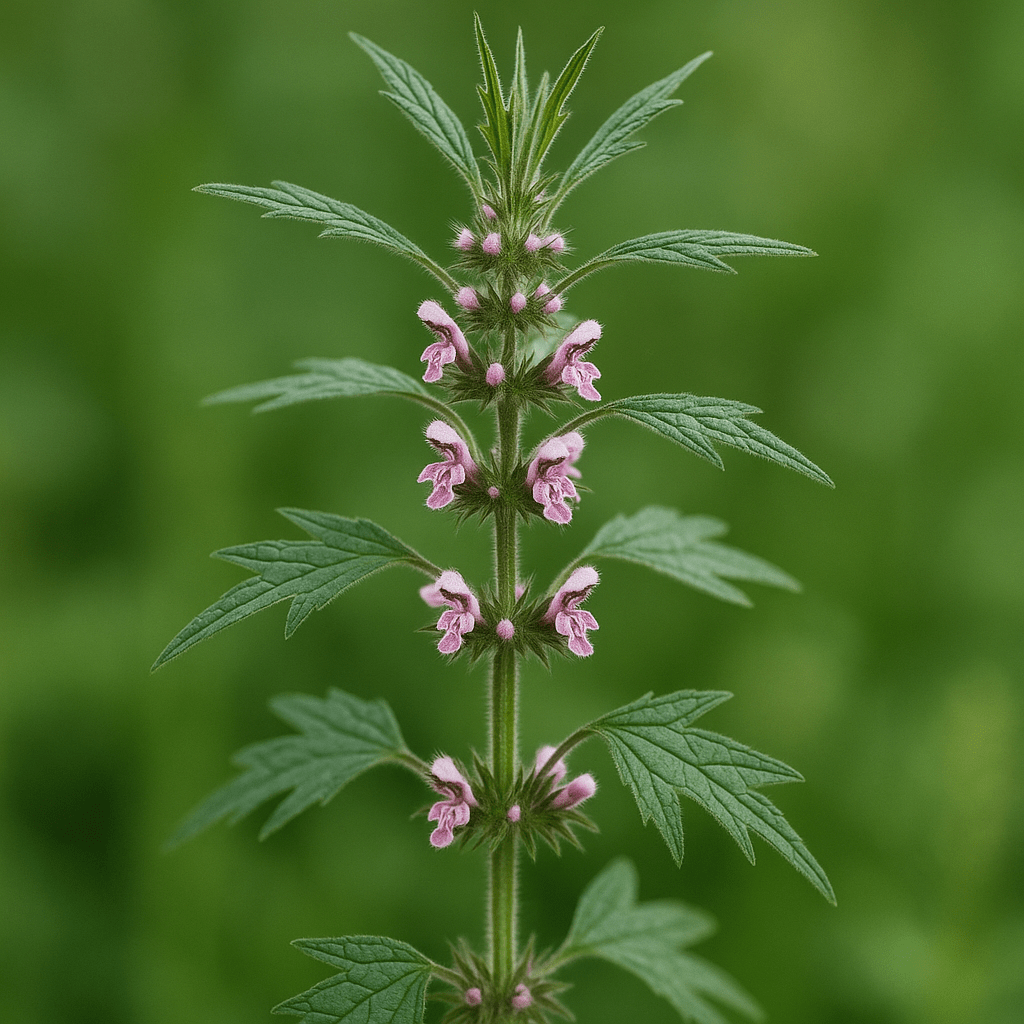
Leonurus, commonly known as Motherwort, is a revered herb in both traditional Chinese and Western herbal medicine. Its Latin name, Leonurus cardiaca, speaks volumes—literally meaning “lion-hearted”—hinting at its historic use in supporting cardiovascular strength and emotional courage. This flowering plant belongs to the mint family and grows widely across temperate regions, where herbalists have long valued its ability to calm both physical and emotional tension. With soft purple flowers and serrated leaves, it’s as visually soothing as it is medicinally potent.

One of Motherwort’s most recognized benefits is its powerful support for heart health. It is known to act as a mild hypotensive, helping to reduce blood pressure, calm heart palpitations, and regulate heart rhythm, particularly when stress or anxiety is involved. Its gentle action on the circulatory system makes it a choice remedy for individuals dealing with high-stress lifestyles or emotionally induced cardiovascular symptoms. By enhancing blood flow and easing tension in the nervous system, Leonurus becomes a potent ally in maintaining inner calm and cardiac balance.

Beyond its cardiovascular properties, Leonurus is also celebrated for its effect on the female reproductive system. Traditionally used to ease menstrual discomfort, reduce cramps, and support hormonal balance, it is often referred to as a “woman’s herb.” It has been used to bring relief during difficult PMS episodes and even to support postpartum recovery. By helping to ease uterine spasms and balance mood swings, Motherwort offers nurturing support that echoes its name—like a gentle embrace from Mother Nature herself.

Energetically, Leonurus is both grounding and uplifting. Its calming effect on the nervous system makes it an ideal herbal companion for those struggling with anxiety, insomnia, or emotional overwhelm. In Taoist and holistic traditions, it is considered a heart-anchoring herb that brings the Shen—the spirit—back to stillness. In today’s chaotic world, Motherwort stands as a quiet yet fierce guardian of emotional resilience, spiritual ease, and physiological harmony. As both a tonic for the heart and a balm for the soul, Leonurus continues to live up to its ancient reputation.

Ask Me Anything Wednesday for July 16 , 2025

QUESTION: “Can the phase of the moon influence the potency or absorption of herbal remedies, and if so, how should timing be adjusted when using tinctures or decoctions?” This is from Shauna who lives in Bangor, ME. Thank you Shauna!

ANSWER: Throughout the ages, lunar rhythms have been honored as subtle but potent influencers of human physiology and nature’s healing cycles. In natural medicine—particularly in Taoist, Ayurvedic, and certain Indigenous traditions—the moon is not merely a backdrop to the night sky, but a rhythmic pulse that guides plant vitality, fluid dynamics in the body, and even emotional receptivity. Practitioners who work closely with herbal medicines have observed that certain phases of the moon enhance absorption, cellular response, and the energetic imprint of the remedy itself.

The new moon is seen as a time for cleansing and release, making it ideal for detoxifying herbs and purgative formulations. In contrast, the full moon amplifies energy and circulation, often enhancing the potency and uptake of tonics, adaptogens, and blood-moving herbs. During the waxing phase (new to full), the body is considered to be more absorptive, which supports building and nourishing remedies. The waning phase (full to new) is better suited for clearing and eliminating protocols. Even the timing of harvesting herbs is affected—plants gathered during a full moon often have stronger aromas and active constituents.

While modern science has only begun to scratch the surface of lunar medicine, bioelectrical and circadian studies are showing correlations between moon cycles and hormonal fluctuations, sleep patterns, and even wound healing. For those crafting or prescribing tinctures and decoctions, subtle timing can be the invisible thread that deepens effectiveness. If we learn to sync our remedies with nature’s pulse, we engage not just in medicine—but in rhythm, reverence, and relationship.

Tylophora Indica: The Ayurvedic Ally for Lungs, Immunity, and Inflammation

Tylophora indica, commonly known as Indian Ipecac or Antamul, is a traditional Ayurvedic herb recognized for its powerful therapeutic effects, particularly on the respiratory system. Native to India and Southeast Asia, the plant is a climbing vine with distinctive purple flowers and soft, oval leaves. For centuries, Ayurvedic physicians have used its leaves to support lung health, alleviate asthma symptoms, and treat chronic bronchitis. Modern herbalists now value it for its natural ability to ease inflammation and promote deeper, easier breathing.

One of the herb’s most important actions is as an immune modulator. Tylophora contains alkaloids such as tylophorine, which have been shown in studies to possess anti-inflammatory, antiallergic, and even immunosuppressive properties. These effects make it a rare botanical that can both stimulate and regulate the immune system, making it useful in autoimmune conditions, seasonal allergies, and chronic inflammatory disorders. It is also known to be expectorant and emetic in larger doses, which supports its traditional use for clearing respiratory blockages and toxins.

In addition to its respiratory and immune benefits, Tylophora indica has shown promise in managing joint pain and inflammation. Herbal formulas sometimes include it to relieve the discomfort associated with rheumatoid arthritis or other inflammatory conditions. Its calming influence on overactive immune responses contributes to its efficacy in such cases. However, because of its potent alkaloid content, this herb is generally recommended under the supervision of a qualified practitioner, especially if taken for extended periods.

Caution should also be taken due to its potential side effects. Some individuals report mild nausea or vomiting after taking the fresh leaves or extracts, which is why precise dosing and form matter. Despite this, when used appropriately, Tylophora indica stands as a multifaceted herbal ally—offering support to the lungs, immune system, and inflamed tissues. It bridges the ancient wisdom of Ayurvedic medicine with the growing body of modern herbal research, proving itself a botanical of enduring value in the world of natural healing.

Natural Health Question of the Week

What ancient remedy or forgotten natural ingredient was once used to promote dream clarity—and could it still have relevance in modern holistic sleep support?

Throughout history, many traditional cultures valued dreams as sacred messages or diagnostic tools for health and spiritual guidance. Among them, ancient Egyptians, Taoist sages, and Native American tribes all used specific herbs and rituals to enhance dream clarity. One such ingredient is Calea zacatechichi, also known as the “Dream Herb,” used by the Chontal people of Mexico. They believed it could open the gateway to vivid, meaningful dreams and even induce lucid dreaming. Another lesser-known substance is mugwort, a common herb in European and Asian folk medicine, often used in teas or placed under pillows to stimulate dreams and spiritual visions.

In modern natural health, these dream-enhancing botanicals are resurfacing—not as mystical tools, but as gentle allies in sleep support. Many people today suffer from fragmented sleep or a complete disconnect from their dream life due to high stress, blue light exposure, and poor sleep hygiene. Using herbs like mugwort, blue lotus, or even passionflower in low doses, alongside mindfulness practices and sleep ritual rebalancing, can reawaken the dream state and improve overall restfulness. These botanicals may gently nudge the nervous system toward parasympathetic (rest-and-digest) dominance, allowing the subconscious to express and heal through dreams.

While more research is needed to validate their efficacy in clinical terms, these ancient remedies remind us that the boundary between sleep and wakefulness, mind and body, isn’t as fixed as modern medicine suggests. Natural dream allies may not only promote deeper sleep but also reconnect us to parts of ourselves long forgotten in the noise of daily life. Integrating these herbs with practices like journaling, Taoist dream yoga, or simply sleeping with intention could make sleep not just restful, but restorative on every level.

Stop Westernizing Natural Medicine

In recent years, natural medicine has exploded into the mainstream. Yet beneath the glossy packaging and influencer-approved branding lies a troubling trend — the Westernization of an ancient, patient-centered practice. Instead of honoring the roots of Eastern wisdom, many so-called “natural” products now mimic the pharmaceutical model: isolate symptoms, match them with a formula, and sell it in bulk. This disease-first mindset is exactly what natural medicine was never meant to be.

At the heart of the Western model lies pathology. It begins with a diagnosis — a label. The patient becomes a condition, a case file, a problem to be solved. From there, the model applies a reductionist solution: suppress the symptom, adjust the numbers, override the body. Whether it’s a pill or a plant, the approach is mechanistic. This works well for emergencies and trauma. But it fails miserably when dealing with the subtle, chronic, energetic, and emotional patterns that define true healing.

Eastern medicine, by contrast, begins with the patient. The person is seen as a whole — body, mind, spirit, environment, and ancestry. Symptoms are not the enemy. They are messages, part of a larger pattern the practitioner learns to decode. Herbs are prescribed not by what disease they treat, but by how they harmonize with the individual’s constitution. Two people with the same diagnosis may receive entirely different treatments. That’s because the medicine is not about the disease — it’s about the human being.

Unfortunately, many modern product creators have lost this thread. In an attempt to scale, simplify, and “modernize,” they stuff their formulas with long lists of herbs, assuming that more is better. But cramming 30 ingredients into a capsule doesn’t create balance. It creates confusion. These blends often ignore herbal energetics, preparation methods, and synergy. The result? A Frankenstein supplement that may look impressive on the label but bears no resemblance to true medicine. They’re chasing results, not healing.

We must return to a patient-first paradigm. This doesn’t mean rejecting innovation. It means rooting it in tradition. Every product, every protocol, every practitioner should begin with this question: Who is this person? Not what’s trending. Not what sells fast. Not what symptom can be squashed. Real natural medicine listens first. And if we want to preserve its power, we must stop Westernizing it — and start remembering where it came from.


Dr. David Orman
Acupuncture Physician & Wellness Expert
davidorman.com | david@davidorman.com

The Remarkable Benefits of Licorice Root

Licorice root, known botanically as Glycyrrhiza glabra, has been used for thousands of years in traditional Chinese, Ayurvedic, and Western herbal medicine. Its sweet flavor and powerful healing properties make it a staple in both therapeutic and culinary settings. Often used as a soothing agent, licorice is more than just a flavoring—it’s a potent herbal ally with wide-ranging benefits for the body and mind.

One of the most well-known uses of licorice is for digestive support. It has natural anti-inflammatory and demulcent properties, making it highly effective in calming ulcers, acid reflux, gastritis, and other gastrointestinal issues. Licorice helps coat the stomach lining and supports the repair of mucosal tissues. Deglycyrrhizinated licorice (DGL) is often used to avoid potential side effects of whole licorice while still reaping these digestive benefits.

Licorice also plays a significant role in supporting the adrenal glands and managing stress. It helps modulate cortisol levels, making it beneficial for those experiencing fatigue, burnout, or adrenal dysregulation. By gently supporting the body’s stress response system, licorice enhances endurance and resilience during periods of physical or emotional challenge. Its adaptogenic qualities make it a valuable herb for long-term vitality.

In terms of immune function, licorice root offers antiviral, antibacterial, and anti-inflammatory effects. It has shown promise in helping the body fight respiratory infections, including sore throats, bronchitis, and even certain viral strains. The herb also assists in thinning mucus, making it easier to expel, while soothing irritated tissues along the respiratory tract. These immune-modulating effects make licorice a go-to herb during cold and flu season.

While licorice offers many benefits, it should be used mindfully, especially for those with high blood pressure or kidney concerns, as whole licorice can lead to water retention and elevated blood pressure when taken in large amounts over time. Nevertheless, when used appropriately—especially in its DGL form or under the guidance of a skilled herbalist—licorice root is a potent, versatile, and time-honored herb that offers deep healing for digestion, immunity, and overall vitality.