Ask Me Anything Wednesday for July 9 2025

Question: “If your body could write you a letter right now using the language of natural medicine — what do you think it would say? Herbs, energy systems, foods, feelings… nothing is off limits. Let’s talk healing.”

Answer: If my body could write me a letter through the lens of natural medicine, it might begin gently, like a whisper from the forest. “Dear one,” it would say, “I carry the story of your choices in my muscles, your thoughts in my breath, your history in my blood. You’ve often treated me like a machine, but I am not made of steel — I am made of rhythm, water, fire, and the unseen.” It would ask me to listen not with my ears, but with my pulse.

The letter would go on to say, “I crave balance, not perfection. I am soothed by adaptogens, not stimulants. I need rest as much as movement, silence as much as sound. Your liver longs for dandelion and milk thistle, not caffeine and worry. Your lungs miss the scent of pine and fresh air. Your joints ache not just from time, but from what you’ve suppressed. Let’s clear the inflammation with turmeric, laughter, and honest tears.”

It would remind me that healing is not a straight line. That the grief in my chest is just as important to treat as any lab result. That acupuncture opens hidden meridians the same way forgiveness opens the heart. “Your skin speaks your gut’s language,” it might write, “and your headaches are not random — they’re petitions for change.” It would ask me to eat with presence, to breathe with reverence, and to love this vessel like a sacred home.

And finally, it would say, “I am not against you. I am your oldest ally. But I am tired of shouting. Let us return to a gentler medicine — one of roots, rituals, movement, and moonlight. When you care for me naturally, I won’t just heal… I’ll awaken.”

Natural Health Question of the Week

What ancient remedy or forgotten natural ingredient was once used to promote dream clarity—and could it still have relevance in modern holistic sleep support?

Throughout history, many traditional cultures valued dreams as sacred messages or diagnostic tools for health and spiritual guidance. Among them, ancient Egyptians, Taoist sages, and Native American tribes all used specific herbs and rituals to enhance dream clarity. One such ingredient is Calea zacatechichi, also known as the “Dream Herb,” used by the Chontal people of Mexico. They believed it could open the gateway to vivid, meaningful dreams and even induce lucid dreaming. Another lesser-known substance is mugwort, a common herb in European and Asian folk medicine, often used in teas or placed under pillows to stimulate dreams and spiritual visions.

In modern natural health, these dream-enhancing botanicals are resurfacing—not as mystical tools, but as gentle allies in sleep support. Many people today suffer from fragmented sleep or a complete disconnect from their dream life due to high stress, blue light exposure, and poor sleep hygiene. Using herbs like mugwort, blue lotus, or even passionflower in low doses, alongside mindfulness practices and sleep ritual rebalancing, can reawaken the dream state and improve overall restfulness. These botanicals may gently nudge the nervous system toward parasympathetic (rest-and-digest) dominance, allowing the subconscious to express and heal through dreams.

While more research is needed to validate their efficacy in clinical terms, these ancient remedies remind us that the boundary between sleep and wakefulness, mind and body, isn’t as fixed as modern medicine suggests. Natural dream allies may not only promote deeper sleep but also reconnect us to parts of ourselves long forgotten in the noise of daily life. Integrating these herbs with practices like journaling, Taoist dream yoga, or simply sleeping with intention could make sleep not just restful, but restorative on every level.

Stop Westernizing Natural Medicine

In recent years, natural medicine has exploded into the mainstream. Yet beneath the glossy packaging and influencer-approved branding lies a troubling trend — the Westernization of an ancient, patient-centered practice. Instead of honoring the roots of Eastern wisdom, many so-called “natural” products now mimic the pharmaceutical model: isolate symptoms, match them with a formula, and sell it in bulk. This disease-first mindset is exactly what natural medicine was never meant to be.

At the heart of the Western model lies pathology. It begins with a diagnosis — a label. The patient becomes a condition, a case file, a problem to be solved. From there, the model applies a reductionist solution: suppress the symptom, adjust the numbers, override the body. Whether it’s a pill or a plant, the approach is mechanistic. This works well for emergencies and trauma. But it fails miserably when dealing with the subtle, chronic, energetic, and emotional patterns that define true healing.

Eastern medicine, by contrast, begins with the patient. The person is seen as a whole — body, mind, spirit, environment, and ancestry. Symptoms are not the enemy. They are messages, part of a larger pattern the practitioner learns to decode. Herbs are prescribed not by what disease they treat, but by how they harmonize with the individual’s constitution. Two people with the same diagnosis may receive entirely different treatments. That’s because the medicine is not about the disease — it’s about the human being.

Unfortunately, many modern product creators have lost this thread. In an attempt to scale, simplify, and “modernize,” they stuff their formulas with long lists of herbs, assuming that more is better. But cramming 30 ingredients into a capsule doesn’t create balance. It creates confusion. These blends often ignore herbal energetics, preparation methods, and synergy. The result? A Frankenstein supplement that may look impressive on the label but bears no resemblance to true medicine. They’re chasing results, not healing.

We must return to a patient-first paradigm. This doesn’t mean rejecting innovation. It means rooting it in tradition. Every product, every protocol, every practitioner should begin with this question: Who is this person? Not what’s trending. Not what sells fast. Not what symptom can be squashed. Real natural medicine listens first. And if we want to preserve its power, we must stop Westernizing it — and start remembering where it came from.


Dr. David Orman
Acupuncture Physician & Wellness Expert
davidorman.com | david@davidorman.com

Peace Within, Peace Without: A Taoist View of the Microcosm and Macrocosm

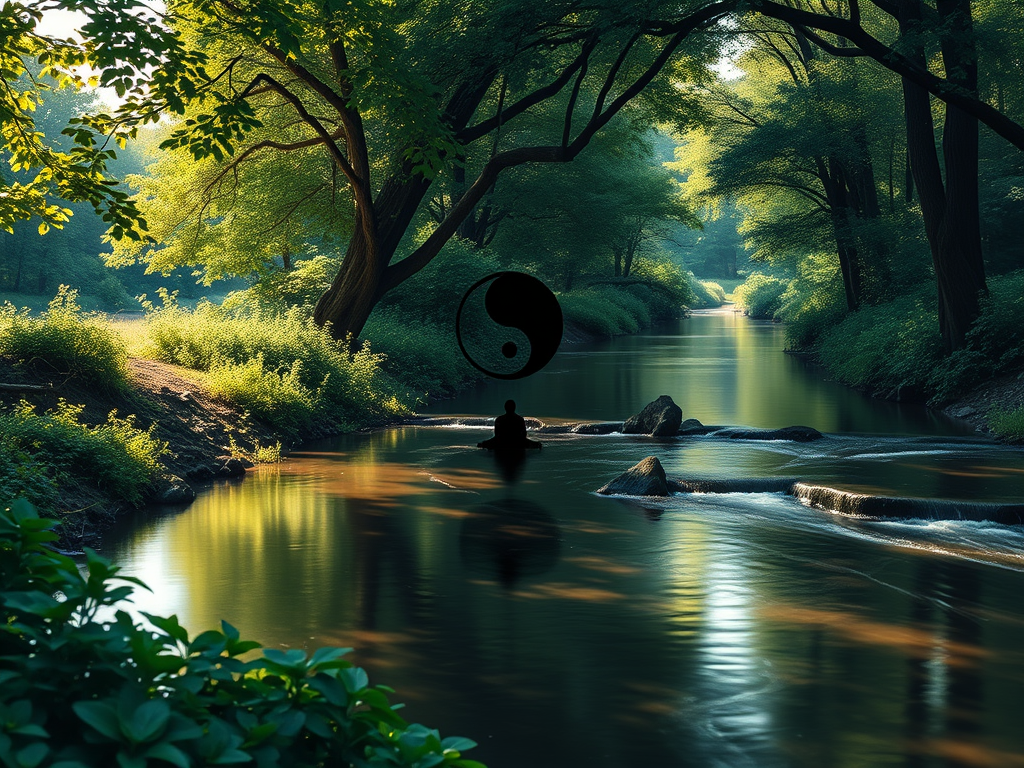
When the waters within are still, the world around reflects that stillness. This is a central truth in Taoism — that the inner and outer are not separate, but echoes of the same stream. Just as a single drop of dew contains the pattern of the whole sky, what stirs within us shapes the sky we live beneath. The microcosm, our inner realm, mirrors and is mirrored by the macrocosm — the greater world.

A heart clouded with fear sees danger in every corner. A mind tangled with restlessness finds chaos in every encounter. But when the breath flows gently, when the spirit is calm, a kind of invisible order reemerges. This isn’t fantasy or wishful thinking. It is the Tao in motion — the invisible thread connecting your pulse to the rhythm of the stars, your thoughts to the tide of seasons, your intention to the unfolding of events.

To live in accordance with the Tao is not to escape the world, but to harmonize with it. We cannot control the storm, but we can become the stillness at its center. And from that stillness, strange magic happens: situations resolve, tension softens, people respond differently. What begins as an inward shift becomes an outward ripple. This is why Taoist sages focus not on conquering the world, but on aligning their own energy with the Way.

Equally, when the world is in turmoil, it is often a reflection of the unrest within its people. Collective fear, unchecked desire, and spiritual disconnection manifest as conflict, pollution, and imbalance. To heal the world, we must heal our inner landscape. Each act of returning to center — a quiet breath, a compassionate thought, a small surrender — plants a seed in the outer world. In this way, personal peace becomes a revolutionary act.

So let us walk gently, cultivating balance in the garden of our own lives. Let us clear the river of thought so it may reflect the sky clearly. The Tao does not ask for perfection, only harmony. And when we find it within, we will see it again and again — in the curve of the moon, in the smile of a stranger, in the way the wind stirs the leaves just as we find peace in our hearts.

Question of the Week 5/30/25

Can Emotions Really Make Us Sick? If So, How Do We Heal Naturally?

Answer:

In natural medicine, there is a growing recognition that unresolved emotions do not just influence us. They become part of our physical reality. But can grief, anger, fear, or shame truly turn into illness? This is not just poetic language. It is a real phenomenon with roots in both ancient traditions and modern science.

Traditional Chinese Medicine teaches that every organ is linked to a specific emotion. The liver is tied to anger, the lungs to grief, the kidneys to fear, and the heart to joy. When emotions are not processed, they create stagnation in the body. This is not metaphor. Chronic stress raises cortisol, weakens immunity, alters digestion, and disrupts the nervous system. Emotions become chemistry. They tighten fascia, shift posture, disturb sleep, and silently build the foundation for chronic conditions.

Natural healing begins with movement and breath. Qi Gong, Bagua, and somatic techniques help the body unwind. Herbs like Holy Basil ease the mind. Schizandra nourishes the spirit. Reishi supports the heart and promotes deep calm. Meditation also plays a key role. It allows emotions to rise without resistance. This is not about pushing feelings away. It is about creating space to let them pass through.

The real lesson is this. Your body is not betraying you. It is speaking to you. Symptoms are not enemies. They are messages. When we meet emotions with awareness instead of suppression, healing begins. And nature is always ready to guide the way back to balance.

UPDATE: To go deeper into this work, explore my Bagua and Sacred Sounds course—a unique blend of circular martial movement and healing vibration. This course is designed to release trapped emotions, activate energy centers, and restore your inner rhythm. It is not just exercise. It is transformation. Enrollment opens Sunday, June 1. Begin your journey at:

Is It Really Safe

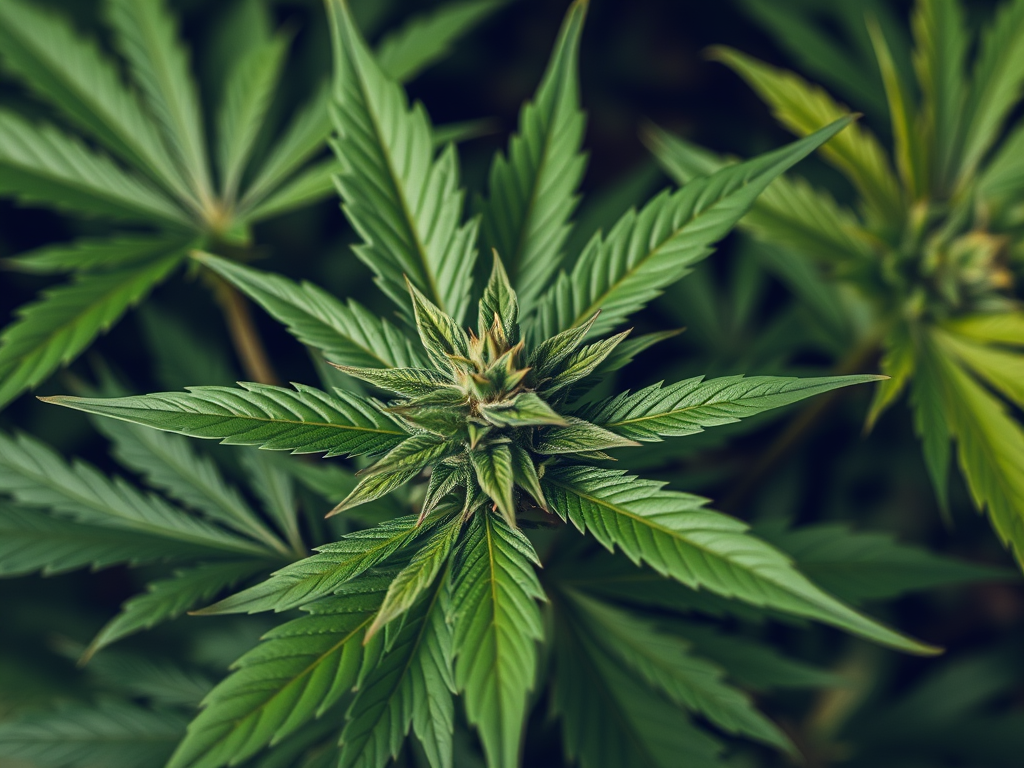
Recent Studies Reveal The Truth About Marijuana

Recent research underscores the potential risks of cannabis use on brain health, particularly among young adults and heavy users. A study from McGill University, led by Dr. Romina Mizrahi and PhD student Belen Blasco, utilized advanced brain imaging to examine 49 individuals aged 16 to 30, some of whom were at high risk for psychosis. The findings revealed that cannabis use was associated with decreased synaptic density in critical brain regions such as the prefrontal cortex, anterior cingulate cortex, and striatum—areas vital for cognitive and emotional functions. Dr. Mizrahi noted, “Cannabis appears to disrupt the brain’s natural process of refining and pruning synapses, which is essential for healthy brain development.”

Complementing these findings, a large-scale study published in JAMA Network Open analyzed data from 1,003 adults aged 22 to 36. The research indicated that 63% of heavy lifetime cannabis users—defined as those who had used cannabis over 1,000 times—exhibited reduced brain activity during working memory tasks. Similarly, 68% of recent users showed comparable impairments. These deficits were most pronounced in the dorsolateral prefrontal cortex, dorsomedial prefrontal cortex, and anterior insula, regions associated with decision-making, memory, and emotional processing. Lead author Dr. Joshua Gowin emphasized the importance of understanding these effects as cannabis use becomes more prevalent globally.

The potential negative effects of cannabis on the brain include:

  • Impaired working memory, affecting the ability to follow instructions or perform calculations.
  • Reduced synaptic density, leading to disrupted communication between neurons.
  • Increased risk of psychosis, particularly in individuals with a predisposition to mental health disorders.
  • Altered brain regions involved in motivation, reward processing, and emotional regulation.
  • Potential long-term cognitive deficits, especially with early and heavy use.

These studies highlight the necessity for further research into the long-term impacts of cannabis on brain health. As Dr. Gowin stated, “By doing so, we can provide a well-rounded understanding of both the benefits and risks of cannabis use, empowering people to make informed decisions and fully comprehend the potential consequences.”