
Master Health Quote Thursday: 6/19/25

Shilajit, a sticky, tar-like substance found in the Himalayas and other high mountain ranges, has long been revered in Ayurvedic medicine for its wide-ranging health benefits. One of its most powerful yet lesser-known effects is its ability to support the body’s natural production of nitric oxide (NO), a molecule vital for circulation, energy, and cellular communication. Unlike synthetic NO boosters that often rely on isolated compounds, shilajit provides a full-spectrum mineral matrix that nourishes the body and works in harmony with its natural processes.

Nitric oxide plays a crucial role in vasodilation—relaxing the inner muscles of the blood vessels—which improves blood flow and lowers blood pressure. This has major implications for cardiovascular health, athletic performance, brain function, and even sexual vitality. Shilajit enhances this process by providing fulvic acid and over 80 trace minerals, many of which are necessary cofactors in the enzymatic conversion of L-arginine into nitric oxide. This makes it a holistic and sustainable option for anyone seeking to improve circulation and overall vitality.

What sets shilajit apart is not just its mineral content, but its adaptogenic nature. It helps the body resist stress, stabilize blood sugar, and increase energy at the mitochondrial level—where nitric oxide is also synthesized. This multi-layered support makes it especially valuable for older adults, athletes, and individuals recovering from illness or fatigue. Regular use of high-quality, purified shilajit has been shown to restore strength, increase endurance, and promote clarity of mind.

To integrate shilajit into your routine, a pea-sized amount (typically 300–500 mg) of resin or powder can be dissolved in warm water or herbal tea once daily, preferably in the morning or before exercise. As always, ensure the product is purified and tested for heavy metals. In the realm of natural medicine, few substances deliver such deep nourishment with so little effort. As modern science catches up to ancient wisdom, shilajit stands out as a true master herb for those seeking vitality from the inside out.

Ask Me Anything: June 18, 2025

Question: how does natural medicine use this timing to enhance healing?

Answer: Yes, the time of day you take an herbal remedy can significantly influence its effectiveness. In natural medicine systems like Traditional Chinese Medicine (TCM) and Ayurveda, the body follows rhythmic cycles known as “organ clocks” or dosha cycles that align with nature’s flow. These systems teach that different organs and energetic functions are more active at specific times, and aligning herbal intake with these natural rhythms can optimize both absorption and energetic resonance.

In TCM, for example, the Liver is most active between 1:00 and 3:00 AM, while the Lungs dominate between 3:00 and 5:00 AM. If someone is taking herbs to support liver detoxification, consuming them in the late evening may help prepare the liver for its early-morning activity. Conversely, lung tonics or respiratory herbs may work better when taken upon waking. This is not only due to organ energy but also to how the body’s hormonal and metabolic systems operate in harmony with light, sleep, and digestion.

Ayurveda offers a similar view, structuring the day into three repeating cycles of Vata (movement), Pitta (transformation), and Kapha (stability). A stimulating herb like ginger may be best taken during Kapha time (early morning) to energize and clear sluggishness, while cooling herbs like Brahmi might be more effective during Pitta hours (midday) to calm the fire of digestion or overthinking. The ancient sages viewed the body not as a machine but as a garden responding to the sun, moon, and elements.

Modern chronobiology is beginning to catch up. Studies show that circadian rhythms influence drug metabolism, hormone levels, and even immune response. Natural medicine, which has always observed nature’s timing, now finds scientific backing for what healers have known for thousands of years: timing matters. Healing isn’t just about what you take, but when you take it—because nature works like music, not a stopwatch.

Feverfew: Nature’s Answer to Migraine and Inflammation

Feverfew (Tanacetum parthenium) is a small flowering plant in the daisy family long revered for its potent medicinal properties. Traditionally used in European herbalism, feverfew has earned a strong reputation for its ability to prevent and relieve the intensity of migraines. Rather than simply masking pain, feverfew works at a deeper level by reducing the release of inflammatory substances in the brain, making it a natural and effective ally for those seeking alternatives to pharmaceutical treatments.

Beyond migraines, feverfew is known to ease general aches, arthritis pain, and symptoms associated with inflammation. Its active compounds, particularly parthenolide, help inhibit the production of prostaglandins—chemical messengers that trigger inflammatory responses. This makes it valuable for calming joint discomfort, easing muscle tension, and even helping regulate the body’s internal inflammatory cycles without the harsh side effects often seen with synthetic drugs.

What makes feverfew especially remarkable is its adaptogenic nature—it seems to support the body’s resilience to stress and discomfort over time. When taken consistently in low doses, it builds a cumulative shield against both internal and external triggers that cause distress. As a gentle yet powerful herbal ally, feverfew reminds us that healing often begins with the quiet intelligence of nature, working patiently to restore balance and protect the body from within.

Magnesium: The Master Mineral for Health and Healing

Magnesium is one of the most vital minerals in the human body, involved in over 300 enzymatic reactions. It supports everything from muscle function and nerve conduction to energy production, DNA synthesis, and heart rhythm regulation. Despite its importance, magnesium deficiency is common due to soil depletion, processed diets, stress, and certain medications. Symptoms of deficiency can include fatigue, irritability, muscle cramps, anxiety, and even irregular heartbeat.

Magnesium is often recommended for a wide range of health conditions including insomnia, high blood pressure, migraines, PMS, constipation, and anxiety. It also plays a key role in regulating calcium and potassium levels and supports bone health, making it essential for both structural and functional wellness. Because it’s involved in cellular detoxification, it’s also a favorite among natural medicine practitioners for aiding in liver function and reducing inflammation.

There are multiple forms of magnesium, each with different absorption rates and specific uses. Choosing the right type is key to getting optimal results. Here’s a breakdown of the most popular forms and what they’re best used for:

Types of Magnesium & Uses:

  • Magnesium Glycinate – Best for anxiety, insomnia, muscle relaxation; highly bioavailable and gentle on the stomach.
  • Magnesium Citrate – Ideal for constipation and bowel regularity; has a mild laxative effect.
  • Magnesium Malate – Great for chronic fatigue and fibromyalgia; supports energy production.
  • Magnesium Threonate – Enhances cognitive function and memory; crosses the blood-brain barrier.
  • Magnesium Oxide – Used for acid reflux and short-term constipation; lower absorption but cost-effective.
  • Magnesium Chloride – Well-absorbed and supports detoxification and metabolism; can be used topically.
  • Magnesium Sulfate (Epsom salts) – Common in baths for muscle soreness, stress relief, and detox.
  • Magnesium Lactate – Gentle on the stomach; good for those needing long-term supplementation.

Choosing the right magnesium form depends on your specific health goals. Always consult with a knowledgeable practitioner to determine the appropriate dosage and type for your needs.

The Remarkable Benefits of Licorice Root

Licorice root, known botanically as Glycyrrhiza glabra, has been used for thousands of years in traditional Chinese, Ayurvedic, and Western herbal medicine. Its sweet flavor and powerful healing properties make it a staple in both therapeutic and culinary settings. Often used as a soothing agent, licorice is more than just a flavoring—it’s a potent herbal ally with wide-ranging benefits for the body and mind.

One of the most well-known uses of licorice is for digestive support. It has natural anti-inflammatory and demulcent properties, making it highly effective in calming ulcers, acid reflux, gastritis, and other gastrointestinal issues. Licorice helps coat the stomach lining and supports the repair of mucosal tissues. Deglycyrrhizinated licorice (DGL) is often used to avoid potential side effects of whole licorice while still reaping these digestive benefits.

Licorice also plays a significant role in supporting the adrenal glands and managing stress. It helps modulate cortisol levels, making it beneficial for those experiencing fatigue, burnout, or adrenal dysregulation. By gently supporting the body’s stress response system, licorice enhances endurance and resilience during periods of physical or emotional challenge. Its adaptogenic qualities make it a valuable herb for long-term vitality.

In terms of immune function, licorice root offers antiviral, antibacterial, and anti-inflammatory effects. It has shown promise in helping the body fight respiratory infections, including sore throats, bronchitis, and even certain viral strains. The herb also assists in thinning mucus, making it easier to expel, while soothing irritated tissues along the respiratory tract. These immune-modulating effects make licorice a go-to herb during cold and flu season.

While licorice offers many benefits, it should be used mindfully, especially for those with high blood pressure or kidney concerns, as whole licorice can lead to water retention and elevated blood pressure when taken in large amounts over time. Nevertheless, when used appropriately—especially in its DGL form or under the guidance of a skilled herbalist—licorice root is a potent, versatile, and time-honored herb that offers deep healing for digestion, immunity, and overall vitality.

Scientists Stunned: 99% of Nutrition Is Invisible to Us

Let’s dive into something mind-blowing:

Nutrition as we know it… is barely scratching the surface.

You already know real food trumps synthetic supplements — that’s obvious.

But even the most health-conscious among us rarely grasp just how deep the story goes.

For example:

  • Creatine synthesis needs B6, B9, and B12.
  • But B9 doesn’t even work without B12.
  • Choline can reduce your need for both.
  • High zinc blocks copper absorption. Too much copper? It blocks zinc.
  • Magnesium and B6 team up to keep the system alive and humming.

And that’s just a few highlights. The real dance of nutrients is infinitely more intricate.

Here’s where it gets wild:

Scientists just discovered that 99% of what’s in our food is invisible to us.

They’re calling it nutritional dark matter.

Right now, we only recognize about 150 nutrients — proteins, vitamins, minerals.

But real food? It contains over 26,000 distinct biochemicals.
Meaning the nutrition labels we trust only capture about 0.5% of what’s truly there.

The other 99.5%?

Still a total mystery.

Yet your body — this masterpiece of millions of years of evolution — knows exactly how to navigate it.

It doesn’t just need nutrients.
It needs nutrients working together, in perfect ratios, in ways science can barely understand.

For instance:

  • Liver doesn’t just deliver Vitamin A — it delivers retinol, the most usable form, along with the cofactors that make it work.
  • The iron from liver? It’s heme iron, absorbed up to 35% better than synthetic forms — and it shows up with the B vitamins and copper your body needs to actually use it.

This is the deep intelligence of nature.

Real food isn’t just ingredients.
It’s a symphony. A living matrix of forces working together in perfect, silent harmony.

You can’t fake it in a lab.

You can’t hack it with isolated pills.

You can only honor it — and feed your body the way it was meant to be fed.

Because when you give your body the full blueprint nature intended…

It doesn’t just survive.
It remembers how to thrive.

How to Lose Belly Fat Fast: 7 Natural and Effective Strategies

Belly fat isn’t just about looks — it’s often linked to deeper health concerns like insulin resistance, inflammation, and hormonal imbalance. If you’re looking to trim your waistline quickly and naturally, here are seven powerful strategies that work without relying on fad diets or extreme measures.

1. Cut Sugar and Refined Carbs Immediately

Excess sugar (especially from sodas, pastries, and processed foods) turns into visceral fat. Swap out refined carbs like white bread and pasta for whole foods — think quinoa, vegetables, and fruit in moderation.

2. Boost Protein Intake

Protein helps you feel fuller longer and supports lean muscle mass, which burns more calories. Try wild-caught fish, pasture-raised eggs, organic poultry, or plant-based sources like hemp seeds and legumes.

3. Practice Intermittent Fasting

Fasting windows like 16:8 (fast 16 hours, eat during an 8-hour window) allow your body to burn fat more efficiently, balance insulin, and trigger autophagy — your body’s natural cell-cleansing process.

4. Move Your Body Daily — Especially with Core-Activating Workouts

High-intensity interval training (HIIT), Bagua circle walking, rebounding (mini-trampoline), and even brisk walking can melt belly fat. Focus on exercises that activate your core and build overall strength.

5. Reduce Cortisol by Managing Stress

Belly fat and stress are closely linked. Use breathwork, meditation, acupuncture, adaptogenic herbs like Holy Basil and Rhodiola, or Taoist practices to calm the nervous system and restore balance.

6. Improve Sleep Quality

Lack of deep sleep raises cortisol and cravings. Aim for 7–9 hours of restorative sleep. Avoid screens before bed, and try magnesium, chamomile tea, or binaural beats to wind down naturally.

7. Support Digestion and Hormones

Bloating often mimics belly fat. Heal your gut with fermented foods, L-glutamine, dandelion root tea, and avoid common food sensitivities (like gluten or dairy). A balanced microbiome supports fat metabolism and reduces inflammation.


Final Thoughts from Dr. David Orman
Belly fat isn’t just a cosmetic issue — it’s your body’s way of asking for change. By treating the root causes holistically, you create lasting health, inner balance, and a leaner, more vibrant you.

Want more natural health insights?
Visit davidorman.com or email me directly at david@davidorman.com for personalized wellness support.

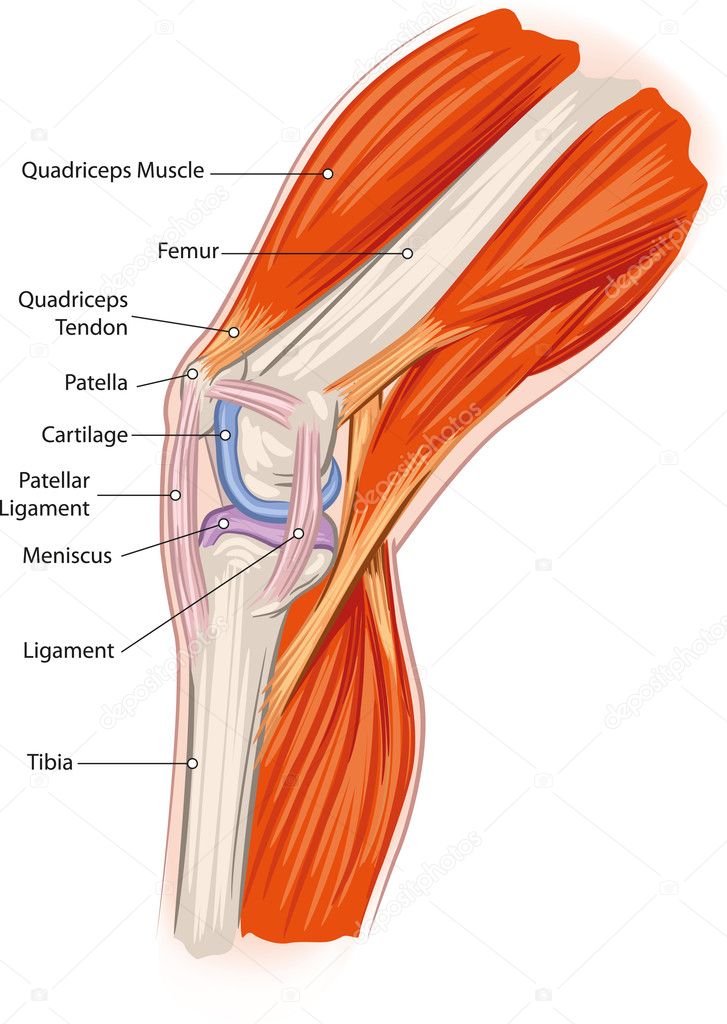
4 Natural Ways to Heal Knee Injuries

Knee injuries are among the most common musculoskeletal issues, affecting people across all age groups. In the United States alone, over 6.6 million knee injuries were reported in emergency departments between 1999 and 2008, with the highest rates among individuals aged 15 to 24 years. These injuries often result from sports activities, accidents, or degenerative conditions like osteoarthritis, which affects approximately 25% of adults and is a leading cause of disability. ​PubMedPMC

While conventional treatments like physical therapy and medications are common, many individuals seek natural remedies to support healing and alleviate pain. Here are four natural approaches to aid in the recovery of knee injuries:


1. Ginger: A Natural Anti-Inflammatory

Ginger is renowned for its anti-inflammatory properties, which can help reduce pain and swelling in knee injuries. Studies have shown that a daily dose of 500 to 1,000 mg of ginger extract can modestly reduce pain and improve function in individuals with osteoarthritis of the knee. ​Verywell Health+2Arthritis Foundation+2Natural Health Center of Medical Lake+2

How to Use:


2. Turmeric: The Golden Healer

Turmeric contains curcumin, a compound with potent anti-inflammatory and antioxidant effects. It’s been used traditionally to treat various ailments, including joint pain. Research indicates that turmeric can help reduce symptoms of knee osteoarthritis and improve mobility. ​Verywell Health

How to Use:

  • Supplements: Curcumin capsules are widely available.
  • Culinary Use: Add turmeric powder to dishes like curries, soups, or smoothies.
  • Topical Pastes: Apply a paste made from turmeric powder and water to the affected area.​

3. Epsom Salt Soaks

Epsom salt, rich in magnesium sulfate, is known to relieve muscle soreness and reduce inflammation. Soaking the knee in an Epsom salt bath can alleviate pain and promote healing. ​Singapore Pain Solutions

How to Use:

  • Bath Soak: Dissolve 1-2 cups of Epsom salt in warm bath water and soak for 15-20 minutes.
  • Compress: Soak a cloth in Epsom salt solution and apply it to the knee.​

4. Tai Chi: Gentle Movement Therapy

Tai Chi, a form of low-impact exercise, combines slow movements with deep breathing. It’s beneficial for improving balance, flexibility, and strength, which can aid in knee injury recovery. Practicing Tai Chi has been shown to reduce pain and enhance physical function in individuals with knee osteoarthritis. ​Medical News Today

How to Practice:

  • Classes: Join a local Tai Chi class to learn proper techniques.
  • Online Tutorials: Utilize online resources and videos for guided sessions.
  • Consistency: Aim for regular practice, even if it’s just a few minutes daily.​

Conclusion

Incorporating natural remedies like ginger and turmeric, along with practices such as Epsom salt soaks and Tai Chi, can complement traditional treatments for knee injuries. Always consult with a healthcare professional before starting any new treatment regimen to ensure it’s appropriate for your specific condition.​Singapore Pain Solutions

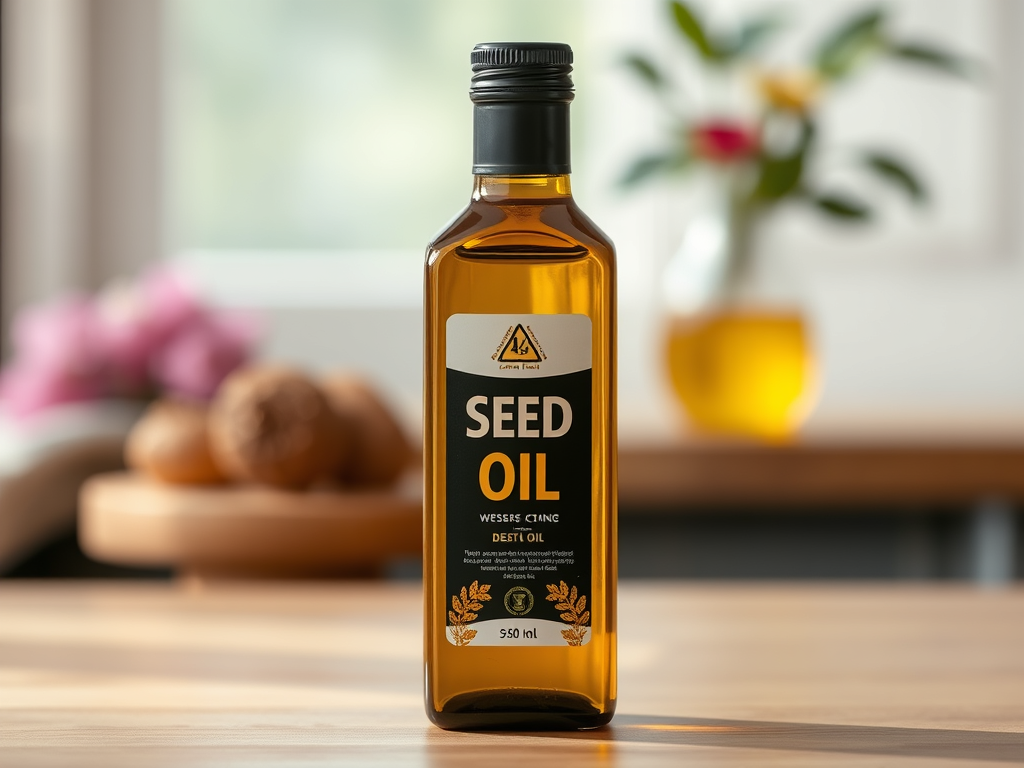
5 Reasons to Quit Seed Oils and Why Your Body Will Thank You

You’ve been told seed oils are “heart healthy.”
But the truth is…
They may be one of the most harmful things you put in your body every day—without even realizing it.

If you struggle with inflammation, brain fog, cravings, or chronic fatigue…
This could be the quiet culprit.

Here’s why it’s time to quit seed oils—for good:


5 Reasons to Quit Seed Oils (Your Body Will Thank You)

1. They’re not food.
Seed oils were never meant for human consumption.
They were designed to lubricate machines—not nourish you.
Your ancestors would’ve needed to eat 3,000+ seeds to get a few tablespoons of oil.
Now? It’s pumped into nearly every packaged and restaurant food.

2. They distort your biology.
These oils are loaded with unstable omega-6 fats that hijack your natural balance.
Instead of a 1:1 omega-6 to omega-3 ratio, we now sit at 20:1 or worse.
Your cells weren’t built for this. The damage runs deep.

3. They linger in your body.
Seed oils don’t just pass through—they embed in your fat cells.
And they stay there for years, quietly breaking down into toxic byproducts that harm your mitochondria and DNA.
This is the seedbed of modern disease.

4. They dull your clarity + feed your cravings.
These oils trigger compounds in the brain that make you crave more junk.
It’s not willpower—it’s biochemical sabotage.
Seed oils create a hunger that never fully satisfies.

5. They are everywhere—until you choose otherwise.
The food system is soaked in seed oil.
But you can step out of the storm.
One switch at a time: butter, tallow, olive oil, coconut, avocado.
Real fats. Real food. Real clarity.


You don’t need another health trend. You need truth.
Cut seed oils. Reclaim your energy, your clarity, your life.

#SeedOilFree #HolisticHealing #DrDavidOrman #TaoistHealth #ReturnToNature #WellnessWisdom


Sign up for Dr. David Orman’s Personalized Wellness Sessions by Clicking HERE

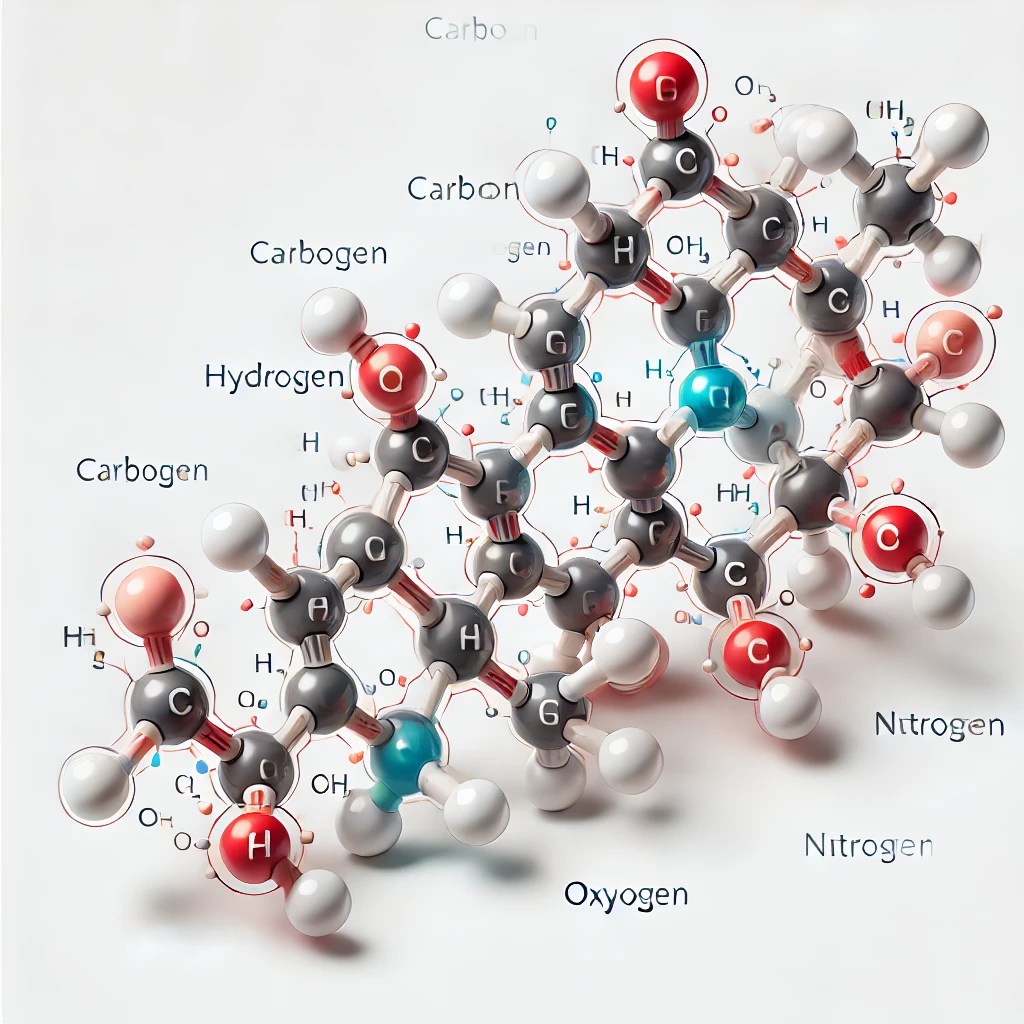
What Are Peptides and Why Are They Important for Health?

Peptides are short chains of amino acids, which are the building blocks of proteins. Think of them as tiny proteins—small enough to be absorbed easily by the body, yet powerful enough to influence a wide range of biological processes. Because of their size and structure, peptides can signal cells to perform specific functions like healing, building muscle, reducing inflammation, or improving hormone balance. They occur naturally in the body, but can also be created in labs to target specific health concerns.

One well-known example is collagen peptides, which are popular in skin and joint health. Collagen is a protein that helps maintain skin elasticity and joint integrity, and when it’s broken down into peptides, it becomes easier for the body to absorb. Another powerful peptide is BPC-157, often used in the world of recovery and sports medicine. It supports tissue repair and helps heal the gut lining, tendons, ligaments, and even nerves—making it a favorite among athletes and people dealing with chronic inflammation.

Peptides are beneficial because they work at a cellular level, often acting as messengers to trigger natural processes that may be slowed down due to aging, stress, or illness. For example, certain peptides can stimulate the body to release growth hormone, helping with muscle repair, fat loss, and improved sleep. Others may boost cognitive function, support immune health, or aid in faster recovery after surgery or injury. Since they mimic the body’s natural processes, peptides usually have fewer side effects compared to conventional drugs.

Incorporating peptide therapy can support overall wellness by promoting more efficient healing, reducing inflammation, and enhancing physical performance. Whether you’re looking to improve skin, heal from injury, support hormonal balance, or simply age more gracefully, there’s likely a peptide that can help. However, because they’re powerful and specific, it’s important to use them under the guidance of a healthcare professional who can help choose the right one for your needs.