Question of the Week: 9.5.25

Q: How does the health of your gut microbiome influence not only digestion but also mood, sleep, and immunity?

A: Most people think of the gut only as a place where food is broken down. Yet within this living system exists trillions of microbes—tiny organisms that act like gardeners, tending to the soil of our inner world. When this microbiome is balanced, digestion flows easily, nutrients are absorbed, and waste moves along without effort. But the influence goes far deeper than the belly. These microbes create chemical messengers that speak directly to the brain, often called the “second brain,” shaping not only how we process food, but how we feel.

A flourishing gut helps regulate mood through neurotransmitters like serotonin, most of which is produced in the digestive tract. This explains why imbalance in the gut often shows up as anxiety, irritability, or even depression. The same microbes also play a role in immune defense, training the body to recognize what is friend and what is foe. When they are nourished by fiber-rich foods, fermented vegetables, and mindful eating habits, the body becomes less prone to illness and inflammation. The gut becomes a quiet guardian, protecting with resilience and grace.

Even sleep is touched by this hidden community. Signals from the microbiome help regulate the circadian rhythm, the natural clock that governs when we rest and when we wake. When gut health falters, sleep often becomes fragmented, restless, or shortened. Yet with care—through simple practices like mindful breathing before meals, herbs that calm digestion, and steady routines—the gut can once again align with nature’s rhythm. In this way, tending to the gut is not just tending to the body, but to the mind, the spirit, and the deep harmony that connects them all.

Understanding Gut Health and the Microbiome: Natural Solutions for a Happier Belly

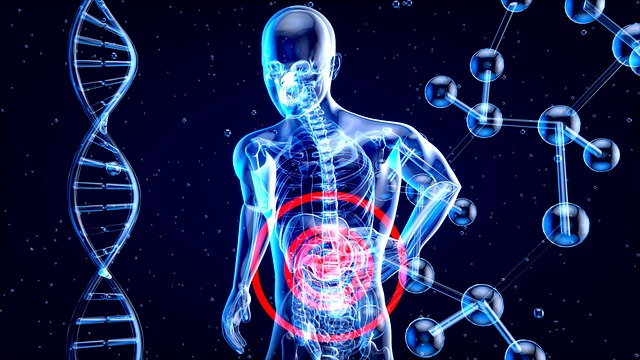
In recent years, the term “gut health” has become a buzzword in health and wellness circles, and for good reason. Your gut is home to trillions of microorganisms, including bacteria, fungi, and viruses, which make up what is known as your microbiome. These tiny organisms play a crucial role in digesting food, absorbing nutrients, and even supporting your immune system and mental health. When the balance of your microbiome is disrupted, it can lead to a variety of issues, including digestive problems, low energy, skin conditions, and even mood disturbances. That’s why taking care of your gut health has become a top priority for many people looking to feel better from the inside out.

One natural way to support gut health is by incorporating probiotics into your diet. Probiotics are live beneficial bacteria that help maintain a healthy balance in your microbiome. Foods like yogurt, kefir, sauerkraut, and kimchi are rich in probiotics, which can help replenish the good bacteria in your gut, especially after an antibiotic treatment or an imbalance caused by poor diet. Probiotic supplements are also widely available for those who may not consume enough of these foods regularly.

Another great natural solution for improving gut health is adding prebiotics to your diet. Prebiotics are types of fiber that feed and nourish the beneficial bacteria in your gut, encouraging them to thrive. Foods like garlic, onions, bananas, and whole grains are excellent sources of prebiotics. By including more prebiotic-rich foods in your meals, you’re giving your gut’s good bacteria the fuel they need to function at their best, which can improve digestion, boost immunity, and even help regulate your mood.

Prevention of gut issues is just as important as treatment. A balanced diet full of fiber, healthy fats, and a variety of fruits and vegetables can help keep your microbiome in check. Avoiding overuse of antibiotics, which can kill off both good and bad bacteria, and reducing stress are also essential for maintaining a healthy gut. Stress, in particular, has been shown to have a negative impact on gut health, so finding ways to manage stress through exercise, meditation, or even spending time outdoors can go a long way in supporting your digestive system.

By taking small but impactful steps to nourish and protect your gut, you can improve not only your digestion but also your overall health and well-being. So, remember to include probiotic and prebiotic foods in your diet, focus on prevention, and take care of your mind and body to keep your microbiome balanced and thriving.

Why People Get Sick More On Holidays

It is the hap-happiest time of the year. Except if you are sick. It is hard to be a part of the great celebration while needing to sleep and dealing with sinus issues and fevers.

The good news is that most or all of this is preventable. With some simple actions to do and not do, the holiday can truly be the best part of the year.

Overindulgence in Food and Its Impact on Immunity

During the holidays, rich foods and sugary treats are in abundance. These foods, while delicious, can lead to overeating and leave a large amount of undigested food in the digestive system. The accumulation of this excess food in the intestines can weaken the immune system, making the body more susceptible to illness. Research indicates that as much as 10-20 pounds (yes, POUNDS) of food accumulate.

When food isn’t fully digested, it can slow down the digestive process, leading to bloating, discomfort, and increased strain on the body. The intestines, which are home to a large portion of the immune system, become less efficient at absorbing nutrients and fighting off pathogens when overloaded. As a result, the immune system becomes less effective at defending the body against infections.

Treatment/Prevention: Including a digestive enzyme or the herb, Massa Fermentata can be a huge help in preventing these types of issues.

Stress and Lack of Sleep

Along with overindulgence in food, stress is another common factor during the holidays. The pressure to shop, cook, and attend social gatherings can lead to increased stress levels. Chronic stress has been shown to weaken the immune system by increasing the production of the hormone cortisol, which suppresses immune function.

Moreover, the holiday season often disrupts normal sleep patterns. Poor sleep reduces the body’s ability to repair and maintain its immune system, further increasing susceptibility to illness.

Treatment/Prevention: There are many substances which can be beneficial but as a general rule, Hawthorne Berry is a good place to start. It also has the side-benefit of aiding digestion.

Environmental Factors

During winter, there is less activity which can congest the lymphatic system and cause or contribute to illness. Even if you have to say indoors due to Mother Nature, get some activity and exercise. Congested lymphatic fluids always lead to health issues.

Treatment/Prevention: Exercise is a must. You can add Slippery Elm to the mix which will also help move the lymphatic fluid.

Conclusion

While the holidays are a time to relax and enjoy festivities, they also bring unique challenges to our health. Overeating, stress, lack of sleep, and weakened immunity, making it easier to fall ill. To stay healthy during this festive season, it’s important to moderate food intake, manage stress, get plenty of sleep, and take precautions to maximize your health.