We live in an age where many of us are healthier in body than ever before but what about the health of how we think, act, and engage with others? There is a subtle epidemic, one with no physical symptoms yet capable of warping character, relationships, and the very way we see truth. I call them “keyboard diseases.” They compulsive online behaviors that destroy empathy, distort courage, and replace authentic action with keyboard echo. In the grip of this, we drift from being human to being a keyboard, typing out versions of ourselves we barely recognize.
Here are examples of this:
At first glance, cell-phone addiction seems benign, a modern (in)convenience. But it is not neutral. Every ping, every notification, pulls attention away from the sweet Now. Like an itch we cannot help scratching, our thumbs swipe, our focus splinters, and presence recedes. Then comes the hidden rant: the furious keyboard warrior who would never speak such things in person yet fires off messages when behind the safety of screens, comforted by distance and anonymity. Add to that the darker seeds: plotting harm, orchestrating divisive narratives, and using digital tools to hide intentions. These are not fringe phenomena—they are daily nuisances, internal viruses eating at virtue and clarity.
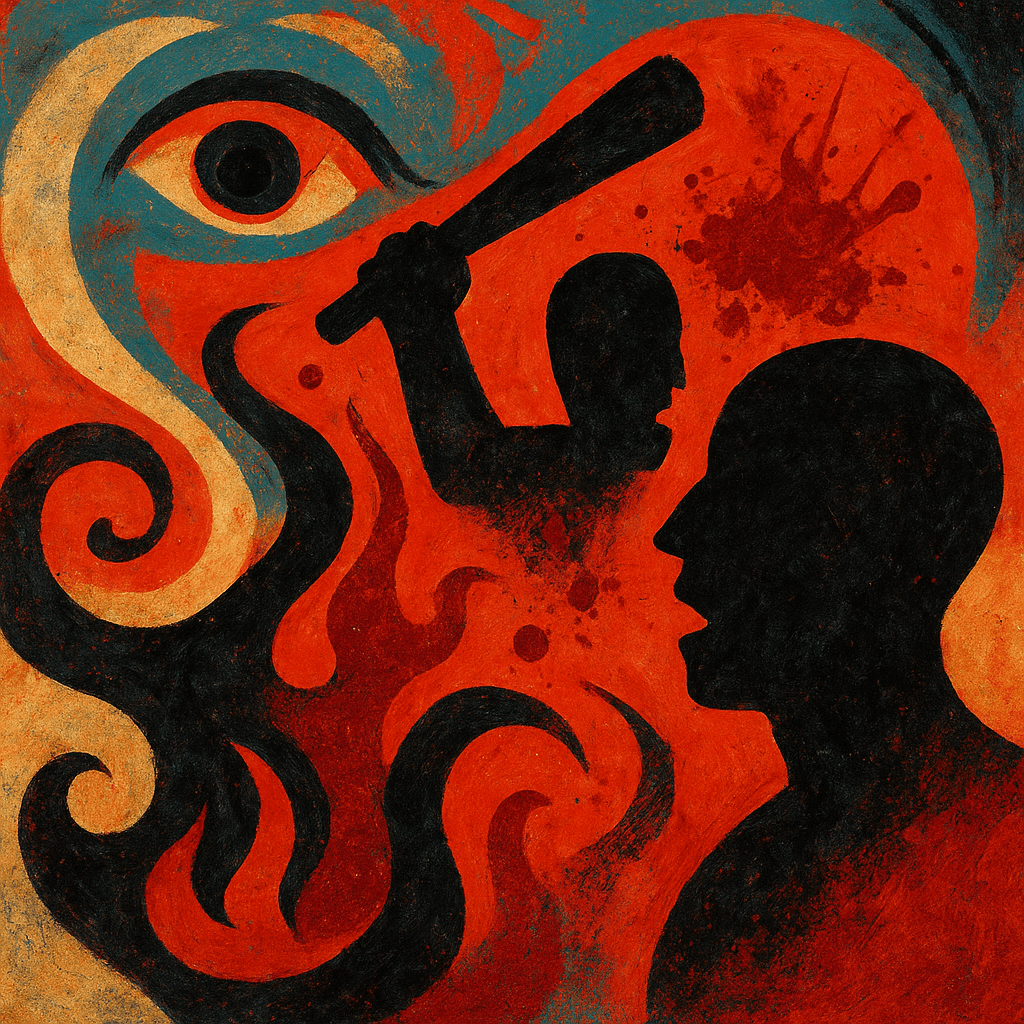
Beyond them lies another terrain, that of digital vigilantism and “echo chambers.” We now have armies of moral judges ready to pounce via screenshots, threads, and mass shaming. What starts as righteous indignation quickly becomes ritual bloodletting. Parallel to that, we collapse into echo chambers where the subtle is erased and complexity punished. We only share what confirms what we believe, we only hear what soothes our self-image. It someone disagrees, the mass of nasty verbiage comes raining down from the hidden keyboard.
And then there is doomscroll dependency, the addictive consumption of negative, fear-laden content. We ride each headline like a wave of anxiety, honing a worldview in which everything is crisis, betrayal, and collapse.
To understand why so many fall prey, we can learn a great deal from behavior science, especially the work of one of my favorites, Chase Hughes. Hughes, a former military intelligence officer turned behavior specialist, teaches that much of what we believe is our free choice is shaped (often invisibly) by how we process others, how we read signals, how we allow fear and insecurity to lead us. He teaches tools like the Behavioral Table of Elements (a framework for observing nonverbal cues, clusters of stress, and patterns of deception). He emphasizes that communication is not just in the words, but in posture, eye movement, voice tonality, all tools that both others and we ourselves use to influence perception.
This helps explain why “keyboard diseases” take root so easily. Behind the keyboard, people hide much (all?) of the nonverbal self. They strip away the cues that force accountability: the eyes that look away, the voice that quivers. They amplify what they think but rarely test, choosing content that confirms rather than challenges.
People then are easier targets for manipulation, both by others and by ourselves, because we believe our own posture is safe, our own rationality intact. Hughes warns of the “firewall illusion,” the false belief that one is immune to manipulation; ironically, believing that makes us more vulnerable.
Yet there is hope. Recognizing these “keyboard diseases” is the first step back to integrity. We can begin to reclaim our humanity by slowing down, by insisting on face-to-face communication from time to time, by stepping into conversation rather than comment threads. We can practice observing behavior, ours first, then others, like Hughes suggests. Notice how we sit, how we look, what our default gaze is, journaling small signals of discomfort or fear. We can challenge ourselves to consume what uplifts, not only what enrages. We can question what we share, and to pause before we type.
In the end, we are more than keyboards, more than screens or threads. We are bodies, minds, hearts — responsive, relational, vulnerable. These “keyboard diseases” steal from us not just civility, but presence, compassion, and the subtle courage of living fully. To heal, we need to put the keyboard in its proper place and recognize it as a tool, not a refuge. A mirror, not a mask. A servant, not a sovereign. Returning to that posture may seem small. But it is the ground on which true transformation grows.
It is the key to returning to a heart driven, compassionate society.
 davidorman.com