
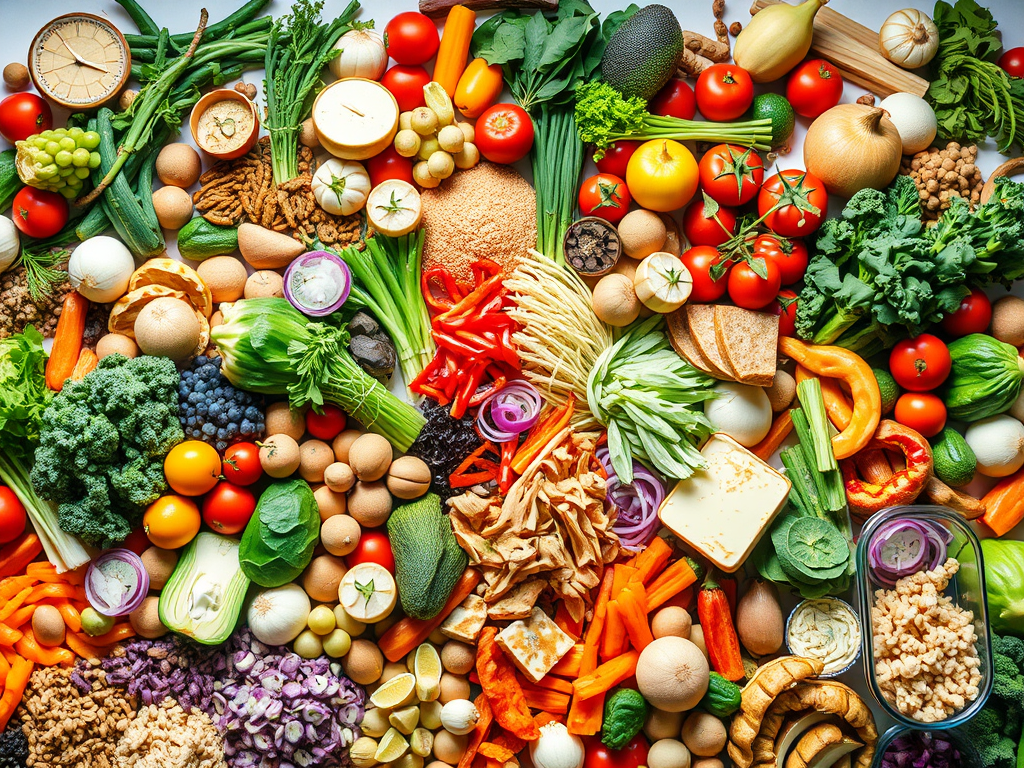
In a world where more often equates to better, it’s tempting to believe that products boasting a lengthy list of ingredients are superior. However, this isn’t always the case. In fact, an overabundance of components can sometimes render a product ineffective or even harmful. Here’s why a minimalist approach often triumphs over complexity.
The Pitfalls of Ingredient Overload
1. Counterproductive Interactions
Combining multiple active ingredients doesn’t guarantee enhanced results. In skincare, for instance, certain combinations can negate each other’s benefits or cause irritation. Mixing retinol with benzoyl peroxide can deactivate the retinoid molecule, reducing its effectiveness and potentially irritating the skin. Similarly, combining alpha hydroxy acids (AHAs) with niacinamide can alter pH levels, diminishing the efficacy of both ingredients and leading to skin sensitivity. Kim Nichols MD
2. Superficial Benefits
Some ingredients offer immediate but short-lived advantages. Silicones in skincare products, for example, can create a smooth, velvety feel on the skin’s surface. However, they may also form a barrier that prevents other beneficial ingredients from penetrating the skin, limiting their effectiveness. Moreover, silicones can trap dirt and oil, potentially leading to breakouts. Healthline
3. Misleading Perceptions of Health
A lengthy ingredient list doesn’t necessarily equate to a healthier product. Some processed foods with multiple ingredients, like fortified plant-based drinks, can be nutritious, providing essential vitamins and minerals. Conversely, single-ingredient foods like maple syrup, while natural, can be high in sugars and should be consumed in moderation. Therefore, it’s essential to assess the nutritional content rather than the number of ingredients. eufic.org
The Case for Simplicity
1. Enhanced Safety and Efficacy
Products with fewer ingredients reduce the risk of adverse reactions and interactions. In food preservation, for example, altering ingredient ratios can compromise safety. Reducing salt in fermented products like sauerkraut can lower acidity, making them unsafe for consumption. Penn State Extension
2. Transparency and Trust
Simpler products make it easier for consumers to understand what they’re using or consuming. This transparency fosters trust and allows individuals to make informed choices based on their specific needs and preferences.
3. Cost-Effectiveness
Fewer ingredients can mean lower production costs, savings that can be passed on to consumers. Additionally, minimalist products often focus on high-quality, essential components, providing better value.
Making Informed Choices
When evaluating products, consider the following:
- Purpose of Each Ingredient: Understand what each component does and whether it’s necessary.
- Potential Interactions: Be aware of how ingredients may interact with each other and with your body.
- Personal Sensitivities: Choose products that align with your specific health needs and avoid known irritants.eufic.org+2Kim Nichols MD+2Healthline+2
- Regulatory Standards: Opt for products that adhere to safety and quality regulations.
Conclusion
While a multitude of ingredients might suggest a product is comprehensive or advanced, it can often lead to diminished effectiveness or unintended consequences. Prioritizing simplicity, understanding, and quality over quantity can lead to better outcomes for both your health and your wallet. Remember, in many cases, less truly is more.
 davidorman.com