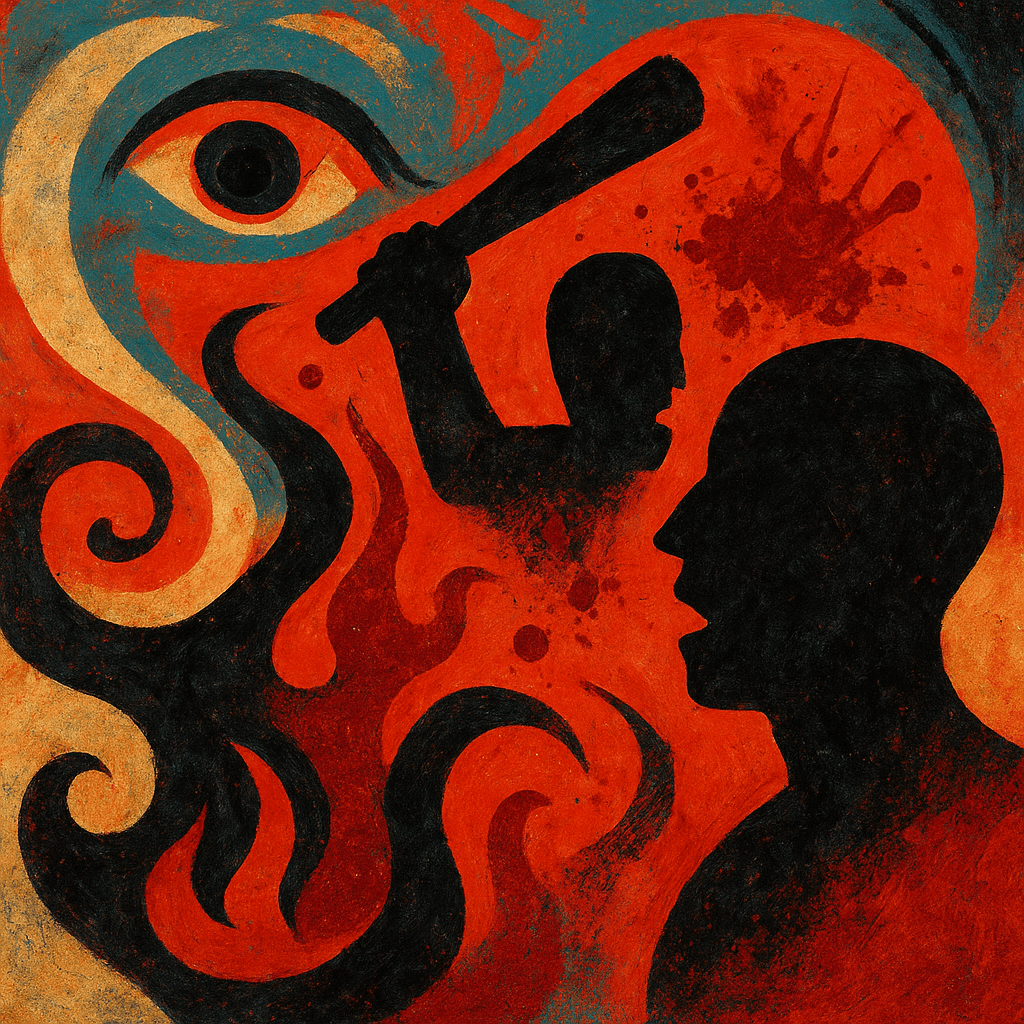
From a psychological standpoint, celebrating or enjoying the killing of someone purely for holding a different political view often stems from dehumanization and moral disengagement. When people begin to view opponents not as human beings but as dangerous “others” or as symbols of a hated ideology, empathy is switched off. This process allows individuals to perceive violence as justified—or even virtuous—because they believe the target represents a threat to their identity, values, or group survival. Social media echo chambers and polarizing news sources can intensify this effect by amplifying anger and portraying the other side as an existential enemy rather than as complex human beings.
A second factor is authoritarian or extremist thinking, which thrives on rigid black-and-white worldviews. People with these traits often crave certainty, hierarchy, and a simple moral order. Political opponents are seen not merely as people with different opinions but as “evil” forces to be eradicated. This mindset can create a psychological environment where violence feels not just acceptable but heroic, especially if the person believes they are protecting their in-group or a sacred cause. When combined with personal grievances, resentment, or feelings of powerlessness, this belief system can turn abstract hatred into a desire for literal harm.
There is also a strong emotional and identity component. For some, political identity becomes a core part of self-definition. When that identity feels threatened, the brain can react as though under physical attack, triggering fight-or-flight chemistry—adrenaline, cortisol, and aggressive impulses. In this heightened state, moral reasoning weakens and celebration of violence can feel like emotional vindication. Research shows that witnessing harm to an out-group can even activate the brain’s reward circuits if the person strongly identifies with an opposing group and perceives the harm as retribution.
Finally, social reinforcement and cultural narratives play a critical role. If peers, online communities, or influential figures applaud or glorify violence, individuals receive validation for destructive feelings. Over time, repeated exposure to such reinforcement dulls natural empathy and normalizes brutality. In this way, celebrating the murder of someone with different political views is rarely about politics alone; it is the end result of psychological processes—dehumanization, rigid thinking, threatened identity, and group validation—that strip away empathy and elevate aggression into a twisted form of moral triumph.

 Dr. David Orman
Leave a reply to When the Shen is Lost: A Natural Health View on Rejoicing in Violence – Dr. David Orman Cancel reply