
When the Shen is Lost: A Natural Health View on Rejoicing in Violence

In Traditional Chinese Medicine (TCM), celebrating or enjoying the death of another due to political difference reflects a deep imbalance of the Heart and Shen (spirit). The Heart is said to house the Shen, governing compassion, clarity, and our ability to connect with humanity. When the Shen is disturbed—by excessive anger, fear, or hatred—it becomes clouded. Instead of perceiving others as fellow beings, the mind projects division and hostility. To take joy in another’s suffering is a sign that the Shen has become unstable, no longer rooted in harmony, but instead consumed by fire and agitation.

This state often arises when the Liver Qi is stagnant or blazing upward. The Liver in TCM regulates the smooth flow of emotions, particularly anger. When constrained by resentment, rigid beliefs, or external stressors, the Qi of the Liver grows hot and forceful. This heat rises and disturbs the Heart, creating agitation, intolerance, and an inability to see others with compassion. In such a person, anger and judgment replace empathy, and violence or the celebration of violence becomes an outlet for their inner turmoil.

The Kidneys and essence (Jing) also play a role. When fear depletes Kidney energy, individuals may cling desperately to identity, tribe, or ideology for a sense of safety. This fear-driven depletion can harden into intolerance, where the other side is seen as dangerous or unworthy of life. The weakened Kidney essence no longer nourishes the Heart and Brain, leaving the Shen ungrounded and vulnerable to extremes of thought and feeling.

Ultimately, from a TCM perspective, to revel in the death of another is not natural; it is a manifestation of disharmony among the organ systems and a disturbed Shen. It reflects blocked Liver Qi, overactive Heart fire, and deficient Kidney essence, creating a condition where balance, compassion, and wisdom are lost. Healing would not come from political victory but from restoring internal harmony—calming the Heart, smoothing the Liver Qi, and strengthening the Kidneys—so that the Shen may again shine clearly and see all life as interconnected.

PART 2: From a Western Psychological View

Dry Needling: An Old “Ashi” Technique Disguised as Something New

Dry needling is often presented in modern physiotherapy circles as a “breakthrough,” unique science-based intervention for muscle pain and dysfunction. Marketed as distinct from acupuncture, it uses acupuncture needles to target trigger points in muscle tissue, claiming to deactivate tension, restore mobility, and accelerate recovery. The language is purely Western. Rooted in anatomy, neurology, and biomechanics it gives an air of novelty for practitioners and patients who have never studied Traditional Chinese Medicine (TCM) or other styles of genuine acupuncture. Yet, behind the branding and rewording, the core technique is not new at all. It is essentially a repackaging of an ancient method that has been practiced for centuries in the East and decades in the West.

In Acupuncture, there exists a concept known as Ashi points. These are tender spots on the body that are not mapped as fixed meridian points but are identified by palpation in which the patient often responds with noted reaction when the spot is pressed. For hundreds, if not thousands, of years, Acupuncteure practitioners have needled directly into these points to relieve pain, improve circulation, and restore function. This method has been an integral part of traditional acupuncture practice and is recognized as one of the most effective approaches for treating musculoskeletal pain. What dry needling calls “trigger point therapy” or “neuromuscular reset” is, in function, a direct mirror of Ashi point needling. If it were a written work, it would be considered plagerism.

The marketing separation between dry needling and acupuncture exists largely for regulatory, professional, and commercial reasons. By avoiding the terminology of meridians, Qi, and traditional theory, dry needling positions itself as a modern, evidence-based alternative that physical therapists, chiropractors, and other non-acupuncturists can adopt without undergoing rigorous years of formal acupuncture training. This strategic rebranding creates a perceived innovation, allowing practitioners to bill differently, market to a different demographic, and sidestep the cultural associations some patients may have with acupuncture.

It is less about a genuine new discovery and more about reframing an old, proven method in contemporary language.

At its core, dry needling is not a revolutionary therapy, but rather a selective borrowing from TCM’s Ashi point technique with a Westernized story wrapped around it. The same stainless steel needles are used. The same process of palpating for tenderness, inserting the needle, and eliciting a therapeutic response is followed. Only the training, which is inadequate compared to Acupuncturists, is different.

And the explanation and marketing differs. By recognizing dry needling for what it truly is — a rebranded slice of traditional acupuncture stripped of its philosophical framework — we can see through the gimmick and appreciate the origins of the method. The real innovation lies not in the technique itself, but in the marketing that has successfully convinced many that it is something entirely new.

Ramulus Cinnamomi: The Great Digestive Warmer

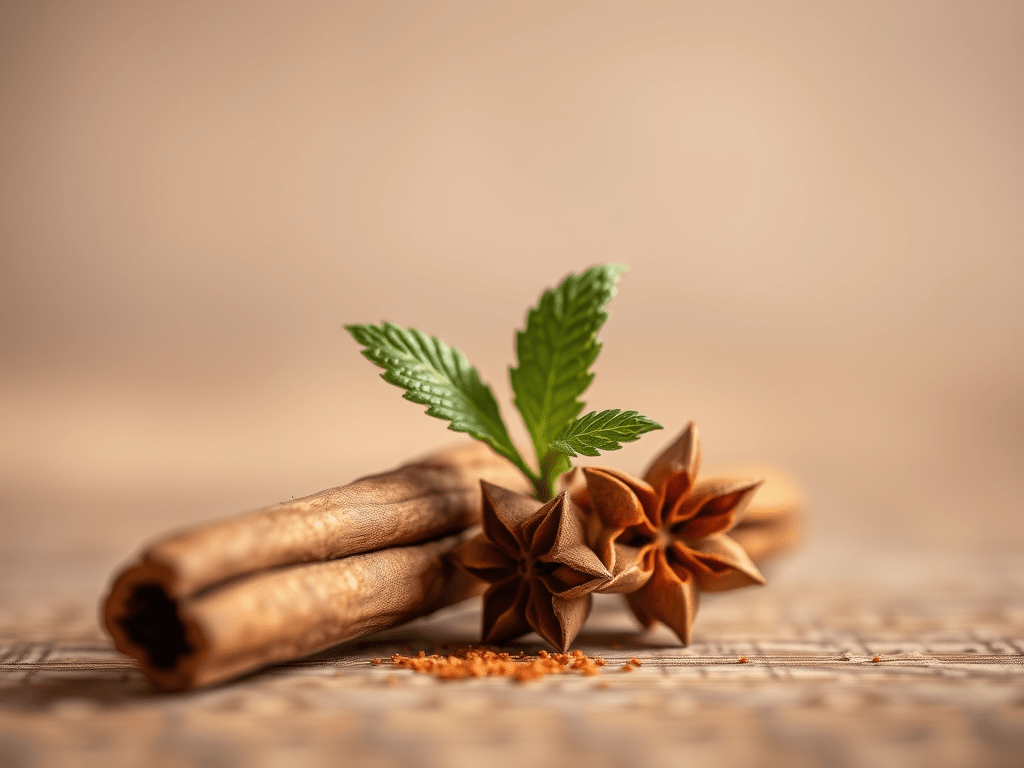
Ramulus Cinnamomi, known in Traditional Chinese Medicine (TCM) as Gui Zhi, is the tender twig of the cinnamon tree. While many are familiar with cinnamon bark for its culinary uses, the twig itself holds a special place in classical herbal formulas. Harvested when the branches are young and pliable, Ramulus Cinnamomi is considered warm, sweet, and pungent in nature—making it a versatile remedy for a range of internal cold patterns and stagnation issues. In TCM, it is frequently used to release the exterior and promote the flow of Yang energy, especially in cases where the body struggles to circulate warmth.

One of Gui Zhi’s primary functions is to disperse cold and improve circulation. In clinical use, it is often included in formulas to relieve chills, mild fevers, and body aches associated with wind-cold invasion. It excels at guiding the body’s natural warmth outward, unblocking the superficial layers so that pathogenic influences can be vented through the skin. Gui Zhi is also known for its ability to harmonize the relationship between Ying (nutritive) and Wei (defensive) Qi—making it especially useful for conditions where this balance is disrupted, such as spontaneous sweating or alternating hot and cold sensations.

Beyond its effects on the immune and circulatory systems, Ramulus Cinnamomi also warms the channels and is used to treat joint and menstrual pain caused by cold obstruction. In formulas targeting arthritic pain, cramps, or cold-related stiffness, Gui Zhi helps warm and open the meridians, restoring fluid movement and relieving discomfort. This function also makes it a favorite for treating cold-type dysmenorrhea, where warmth and improved flow are essential. Often combined with herbs like Bai Shao (White Peony) or Sheng Jiang (Fresh Ginger), Gui Zhi works gently yet powerfully to bring heat to cold, stagnant areas.

In terms of emotional and energetic use, Gui Zhi is often used by Taoist and classical practitioners to soften inner rigidity and promote emotional fluidity. As a plant that brings warmth and movement, it is seen as a metaphor for the gentle activation of blocked energy within the spirit. When used skillfully, Ramulus Cinnamomi not only treats physical cold, but also acts as a botanical ally to help the body and heart regain flow, warmth, and harmony. Whether used in decoction, powder, or classical formulation, Gui Zhi remains a cornerstone of elegant herbal medicine.

Why Am I Always Cold

If you’re constantly feeling cold, even in moderate temperatures, it can be a perplexing and uncomfortable experience. While it’s easy to blame external factors, such as the weather or clothing choices, underlying health issues may be at play. Natural health and wellness practices suggest a variety of reasons why some people feel perpetually cold, ranging from poor circulation to imbalances in vital energy. One common theory in natural medicine is that inadequate circulation prevents warmth from reaching extremities. This condition, often tied to weak blood flow, can be helped by herbs like ginger and cayenne pepper, which are known to stimulate circulation and increase warmth. Incorporating these herbs into your diet, either in teas or meals, may promote better blood flow and reduce feelings of chilliness.

Another theory is the concept of “Qi” (vital energy) from Traditional Chinese Medicine (TCM). According to TCM, a deficiency of “Yang” energy can make the body feel cold, as Yang is associated with warmth and activity. People with Yang deficiency may experience fatigue, sluggishness, and persistent coldness, especially in the hands and feet. Natural treatments in TCM for Yang deficiency often include warming herbs like cinnamon and dried ginger, as well as dietary adjustments to increase heat in the body, such as consuming more soups and warming root vegetables like sweet potatoes and carrots. Acupuncture and acupressure are also used in TCM to restore balance to the body’s energy and improve circulation, offering relief from the cold sensations.

From a more holistic perspective, constant coldness can be a sign of nutritional deficiencies. In particular, a lack of iron or Vitamin B12 may result in poor circulation and a drop in body temperature regulation. Natural remedies focus on enhancing these nutrients through food sources like leafy greens, legumes, and animal products such as liver and eggs, as well as supplements. For those dealing with persistent cold hands and feet, naturopathic practitioners often recommend a combination of dietary changes, herbal teas, and even regular exercise to increase blood flow and support overall warmth.

In summary, feeling cold constantly might stem from a combination of circulatory, energetic, and nutritional imbalances. While these natural remedies are helpful, it’s essential to consult with a health practitioner to pinpoint the exact cause of your coldness and tailor the treatment to your unique needs. Whether through herbal solutions, acupuncture, or dietary changes, there are plenty of ways to warm up your body from the inside out, naturally.