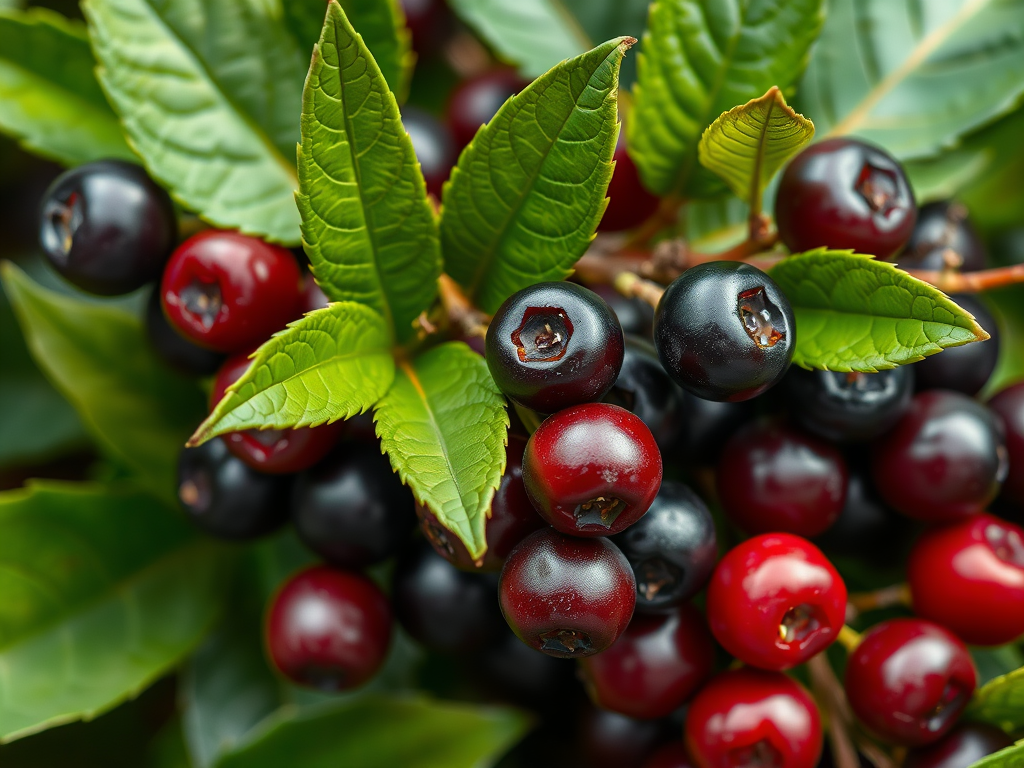
Privet fruit, also known in Traditional Chinese Medicine as Nu Zhen Zi, is a small, glossy black berry harvested from the Ligustrum lucidum plant. Long revered for its restorative properties, this herb is especially valued for its ability to nourish the liver and kidneys—organs central to vitality and aging in Eastern medicine. Often prescribed for symptoms like dizziness, blurred vision, premature graying of hair, and tinnitus, privet fruit has earned its place as a staple in formulas that support longevity and balance.
One of its most praised effects is on the immune system. Privet fruit contains powerful antioxidant compounds, including oleanolic acid, which may help protect cells from oxidative stress and promote healthy immune responses. Modern studies suggest that its compounds exhibit anti-inflammatory and even anti-cancer potential, although further human research is needed to validate these findings. In traditional herbalism, it’s often combined with herbs like Eclipta and Goji to enhance its adaptogenic qualities and support the body during times of chronic stress or depletion.
Energetically, privet fruit is considered cooling and nourishing, making it ideal for those suffering from “yin deficiency”—a state associated with overexertion, insomnia, dry skin, and fatigue. Unlike many stimulating herbs, it works subtly, building strength over time without taxing the system. As such, it’s frequently used in post-illness recovery or as part of an anti-aging tonic for those seeking to restore their deep energy reserves. Its ability to support both the physical and emotional foundation of health underscores its value in long-term wellness regimens.
Whether consumed as a tea, tincture, capsule, or as part of a larger tonic formula, privet fruit offers a gentle but profound healing potential. As always, it should be used under the guidance of a knowledgeable practitioner—particularly for individuals with sensitive digestive systems or those on medications. In an era where true rejuvenation is rare, this humble berry reminds us of nature’s quiet power to restore harmony and vitality from the inside out.
QUESTION: What forgotten or lesser-known ancient remedy—once used by indigenous cultures but now rarely discussed—could hold the key to solving a modern chronic illness without pharmaceuticals?
ANSWER: One such forgotten remedy is pitcher plant extract (Sarracenia purpurea), a carnivorous plant once used by Native American tribes, particularly in the northeastern regions of North America. The Cree and Mi’kmaq people used the root and fluid of this plant to treat conditions ranging from smallpox to digestive disorders. It was believed to possess potent antiviral and immune-stimulating properties, and anecdotal reports suggest it offered relief from systemic infections at a time when modern medicine didn’t exist.
In the modern era, pitcher plant has largely vanished from mainstream health conversations. Yet recent interest has quietly reignited among herbalists and integrative physicians who are exploring its application for viral diseases and inflammation-based conditions such as fibromyalgia or post-viral fatigue. Research is limited, but preliminary studies have hinted at antiviral effects against certain herpes strains. The plant’s unique chemical structure—rich in secondary metabolites and enzyme inhibitors—may help regulate immune overreactions, a critical component in many autoimmune disorders.
What makes pitcher plant especially compelling is that it works on both the immune and digestive systems—two foundational aspects of natural health. Unlike pharmaceutical antivirals that often suppress symptoms, this remedy seems to modulate the system holistically, allowing the body to recalibrate itself. Because many modern chronic illnesses stem from immune dysregulation and gut disruption (like IBS, Hashimoto’s, or chronic fatigue syndrome), Sarracenia’s dual action could offer a forgotten yet potent route to true systemic healing.
Reviving such remedies isn’t just an academic exercise—it reflects a broader question about what wisdom has been overlooked in our rush toward synthetic solutions. Nature often whispers what labs shout. The pitcher plant, like many ancient botanicals, beckons us to reconsider what healing means when it aligns with the rhythms and intelligence of the Earth. Exploring its potential requires both reverence and rigorous study—but it could very well be one of nature’s buried treasures waiting to be rediscovered.
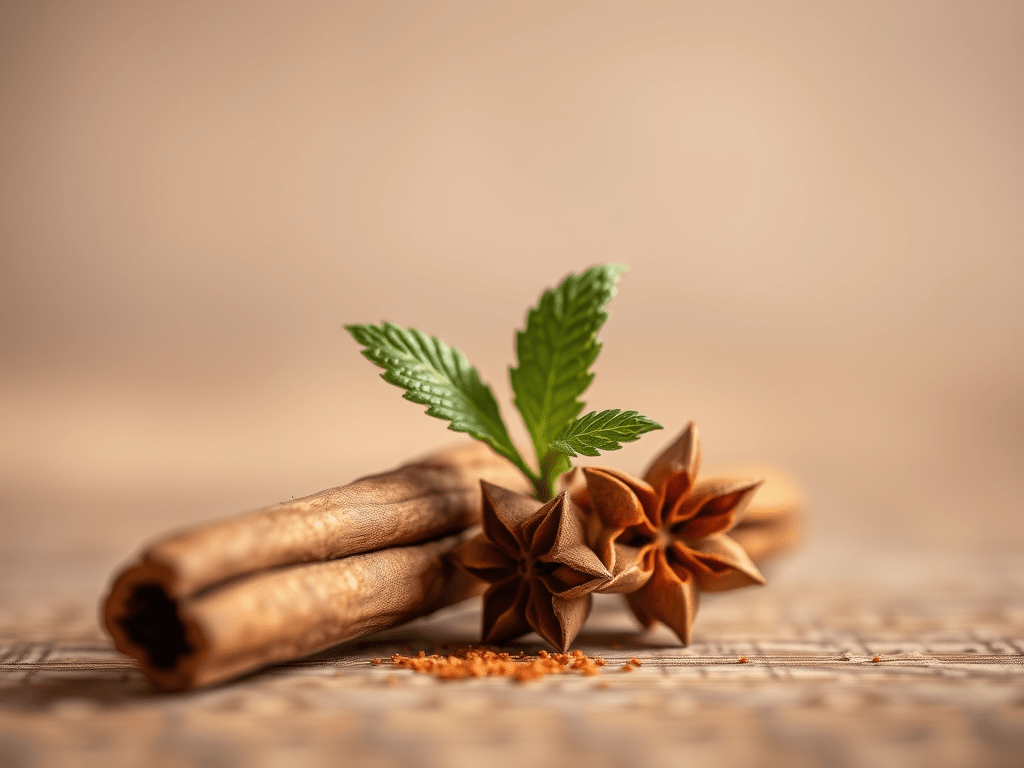
Ramulus Cinnamomi, known in Traditional Chinese Medicine (TCM) as Gui Zhi, is the tender twig of the cinnamon tree. While many are familiar with cinnamon bark for its culinary uses, the twig itself holds a special place in classical herbal formulas. Harvested when the branches are young and pliable, Ramulus Cinnamomi is considered warm, sweet, and pungent in nature—making it a versatile remedy for a range of internal cold patterns and stagnation issues. In TCM, it is frequently used to release the exterior and promote the flow of Yang energy, especially in cases where the body struggles to circulate warmth.
One of Gui Zhi’s primary functions is to disperse cold and improve circulation. In clinical use, it is often included in formulas to relieve chills, mild fevers, and body aches associated with wind-cold invasion. It excels at guiding the body’s natural warmth outward, unblocking the superficial layers so that pathogenic influences can be vented through the skin. Gui Zhi is also known for its ability to harmonize the relationship between Ying (nutritive) and Wei (defensive) Qi—making it especially useful for conditions where this balance is disrupted, such as spontaneous sweating or alternating hot and cold sensations.
Beyond its effects on the immune and circulatory systems, Ramulus Cinnamomi also warms the channels and is used to treat joint and menstrual pain caused by cold obstruction. In formulas targeting arthritic pain, cramps, or cold-related stiffness, Gui Zhi helps warm and open the meridians, restoring fluid movement and relieving discomfort. This function also makes it a favorite for treating cold-type dysmenorrhea, where warmth and improved flow are essential. Often combined with herbs like Bai Shao (White Peony) or Sheng Jiang (Fresh Ginger), Gui Zhi works gently yet powerfully to bring heat to cold, stagnant areas.
In terms of emotional and energetic use, Gui Zhi is often used by Taoist and classical practitioners to soften inner rigidity and promote emotional fluidity. As a plant that brings warmth and movement, it is seen as a metaphor for the gentle activation of blocked energy within the spirit. When used skillfully, Ramulus Cinnamomi not only treats physical cold, but also acts as a botanical ally to help the body and heart regain flow, warmth, and harmony. Whether used in decoction, powder, or classical formulation, Gui Zhi remains a cornerstone of elegant herbal medicine.
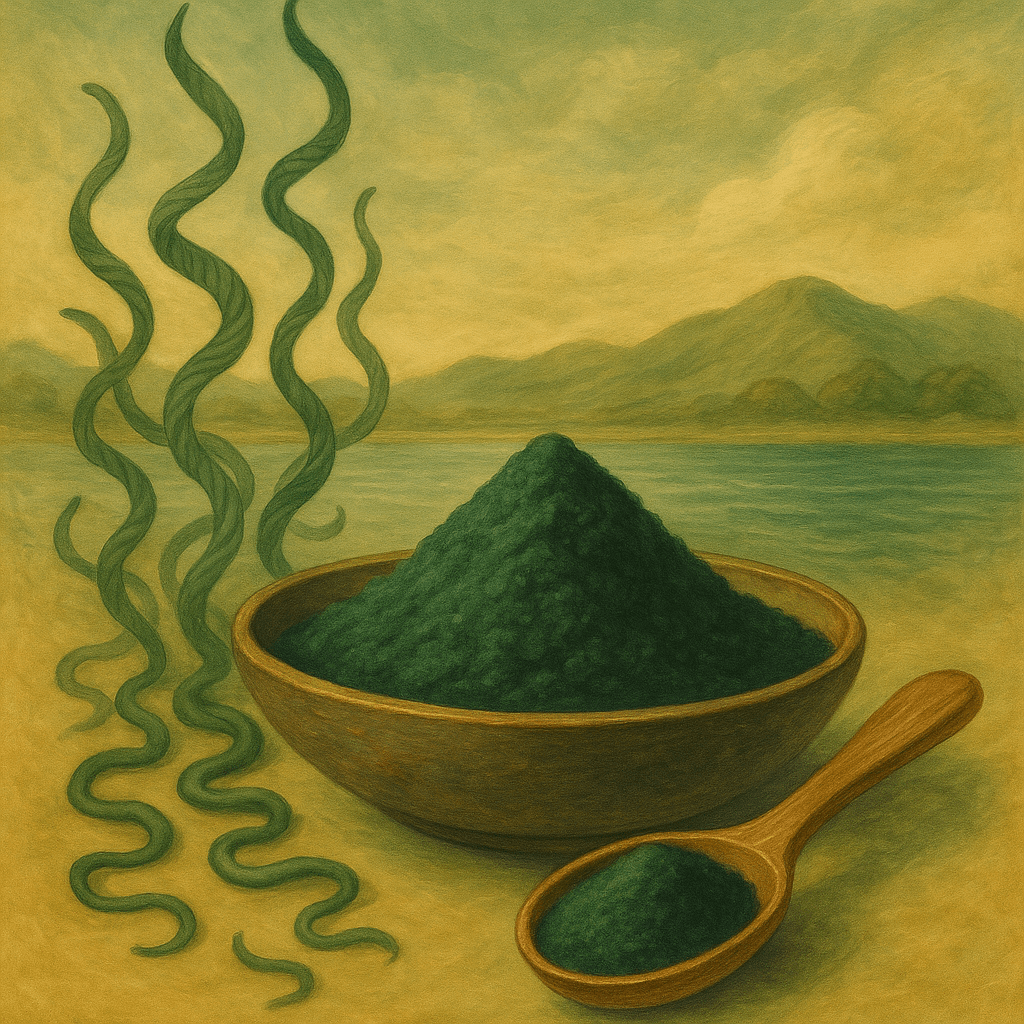
Spirulina is a blue-green algae that has been consumed for centuries due to its exceptional nutritional value and health benefits. Originating from alkaline lakes and warm, mineral-rich waters, this microscopic organism is often called a “superfood” because it contains an extraordinary concentration of protein, vitamins, and minerals. Just a small amount of spirulina delivers a broad spectrum of nutrients, including B vitamins, iron, magnesium, potassium, and essential amino acids, making it an excellent supplement for those seeking vitality and balance through natural means.
One of spirulina’s most profound benefits lies in its ability to detoxify the body, particularly from heavy metals such as arsenic, lead, and mercury. In parts of the world where arsenic-contaminated water poses a health hazard, spirulina has shown promise in reducing the toxic load on the liver and kidneys. Its high chlorophyll content also assists in cleansing the blood, while the phycocyanin compound found in spirulina has been shown to protect cells from oxidative damage and support healthy inflammation levels. This makes it especially valuable for those dealing with environmental toxins, inflammation, or sluggish digestion.
Spirulina also supports immune function and energy production. It stimulates white blood cell activity, enhances antibody responses, and has been shown to improve endurance in athletes. Many individuals who supplement with spirulina report increased mental clarity, improved stamina, and better skin health. These effects are believed to be due in part to the bioavailable iron and B12-like compounds present in the algae, which help combat fatigue and boost red blood cell production naturally.
While often overlooked in mainstream nutrition, spirulina holds a sacred place in ancient healing traditions. From the Aztecs who harvested it from Lake Texcoco to modern naturopaths and herbalists, its power is now being rediscovered and respected. As with all powerful natural remedies, quality matters—look for organic, lab-tested spirulina grown in clean environments. Used wisely, this ancient algae can serve as a quiet force for renewal in a world that desperately needs detoxification, nourishment, and deep healing.
Nutrition as we know it… is barely scratching the surface.
You already know real food trumps synthetic supplements — that’s obvious.
But even the most health-conscious among us rarely grasp just how deep the story goes.
For example:
Creatine synthesis needs B6, B9, and B12.
But B9 doesn’t even work without B12.
Choline can reduce your need for both.
High zinc blocks copper absorption. Too much copper? It blocks zinc.
Magnesium and B6 team up to keep the system alive and humming.
And that’s just a few highlights. The real dance of nutrients is infinitely more intricate.
Here’s where it gets wild:
Scientists just discovered that 99% of what’s in our food is invisible to us.
They’re calling it nutritional dark matter.
Right now, we only recognize about 150 nutrients — proteins, vitamins, minerals.
But real food? It contains over 26,000 distinct biochemicals. Meaning the nutrition labels we trust only capture about 0.5% of what’s truly there.
The other 99.5%?
Still a total mystery.
Yet your body — this masterpiece of millions of years of evolution — knows exactly how to navigate it.
It doesn’t just need nutrients. It needs nutrients working together, in perfect ratios, in ways science can barely understand.
For instance:
Liver doesn’t just deliver Vitamin A — it delivers retinol, the most usable form, along with the cofactors that make it work.
The iron from liver? It’s heme iron, absorbed up to 35% better than synthetic forms — and it shows up with the B vitamins and copper your body needs to actually use it.
This is the deep intelligence of nature.
Real food isn’t just ingredients. It’s a symphony. A living matrix of forces working together in perfect, silent harmony.
You can’t fake it in a lab.
You can’t hack it with isolated pills.
You can only honor it — and feed your body the way it was meant to be fed.
Because when you give your body the full blueprint nature intended…
It doesn’t just survive. It remembers how to thrive.
You’ve been told seed oils are “heart healthy.” But the truth is… They may be one of the most harmful things you put in your body every day—without even realizing it.
If you struggle with inflammation, brain fog, cravings, or chronic fatigue… This could be the quiet culprit.
Here’s why it’s time to quit seed oils—for good:
5 Reasons to Quit Seed Oils (Your Body Will Thank You)
1. They’re not food. Seed oils were never meant for human consumption. They were designed to lubricate machines—not nourish you. Your ancestors would’ve needed to eat 3,000+ seeds to get a few tablespoons of oil. Now? It’s pumped into nearly every packaged and restaurant food.
2. They distort your biology. These oils are loaded with unstable omega-6 fats that hijack your natural balance. Instead of a 1:1 omega-6 to omega-3 ratio, we now sit at 20:1 or worse. Your cells weren’t built for this. The damage runs deep.
3. They linger in your body. Seed oils don’t just pass through—they embed in your fat cells. And they stay there for years, quietly breaking down into toxic byproducts that harm your mitochondria and DNA. This is the seedbed of modern disease.
4. They dull your clarity + feed your cravings. These oils trigger compounds in the brain that make you crave more junk. It’s not willpower—it’s biochemical sabotage. Seed oils create a hunger that never fully satisfies.
5. They are everywhere—until you choose otherwise. The food system is soaked in seed oil. But you can step out of the storm. One switch at a time: butter, tallow, olive oil, coconut, avocado. Real fats. Real food. Real clarity.
You don’t need another health trend. You need truth. Cut seed oils. Reclaim your energy, your clarity, your life.
Industries thrive on false promises. Alkaline water? Check. Detox teas? Check. Lab-grown meat? Definitely check. But one of the biggest scams flying under the radar? Synthetic multivitamins.
They sell the dream: “One pill a day for all your nutrients!” But if that were true, why do nutrient deficiencies remain rampant, even though 1 in 3 Americans take them regularly?
❌ 92% lack Choline – critical for brain function ❌ 88% lack Vitamin E – essential for immune health ❌ 67% lack Vitamin K – needed for bone and heart health ❌ 50% lack Magnesium – vital for over 300 body processes
The reason? Synthetic vitamins aren’t food. They’re isolated, lab-made chemicals, often in forms the body struggles to absorb.
🔸 Iron from steak is heme iron—easily absorbed. But in most multis? Non-heme, poorly utilized iron salts. 🔸 Vitamin A from liver? Ready to use. In multis? It’s beta-carotene, which many people struggle to convert. 🔸 B12 & Folate from whole foods? Bioavailable. In multis? Synthetic versions that many can’t process, leading to potential health risks.
Real food—like eggs, steak, and liver—provides the right co-factors, enzymes, and molecular structures your body actually recognizes and absorbs.
Multivitamins give false confidence while real deficiencies persist. Ditch the synthetic quick fix. Eat like a human.
Better Alternatives: ✅ Desiccated organ supplements – Nature’s multivitamin, packed with bioavailable nutrients. ✅ Bone broth – Rich in minerals, collagen, and amino acids for gut and joint health. ✅ Raw dairy & pastured eggs – Whole food sources of vitamins A, D, K2, and essential fats.
Fuel your body the way nature intended. 🥩🍳🥛
4o
You said:
Increase length of article by 15%
ChatGPT said:
The Multivitamin Scam: Why Real Food Wins Every Time
Industries thrive on false promises. Alkaline water? Check. Detox teas? Check. Lab-grown meat? Definitely check. But one of the biggest scams flying under the radar? Synthetic multivitamins.
They sell the dream: “One pill a day for all your nutrients!” But if that were true, why do nutrient deficiencies remain rampant, even though 1 in 3 Americans take them regularly?
📉 Nutrient Deficiencies in the U.S.: ❌ 92% lack Choline – critical for brain function, metabolism, and liver health. ❌ 88% lack Vitamin E – essential for immune function and cellular repair. ❌ 67% lack Vitamin K – crucial for bone strength and heart health. ❌ 50% lack Magnesium – vital for over 300 biochemical reactions, including muscle and nerve function.
The reason? Synthetic vitamins aren’t real food. They’re isolated, lab-made chemicals, often in cheap, poorly absorbed forms that the body struggles to recognize.
🔎 Let’s Break It Down:
🔸 Iron from steak is heme iron—easily absorbed and used by the body. In most multis? It’s non-heme iron, a low-bioavailability form that isn’t nearly as effective.
🔸 Vitamin A from liver? It comes in retinol form—ready to be used immediately. In multivitamins? It’s usually beta-carotene, which your body must convert, but the conversion rate is low—just 3-10%. Many people, especially those with genetic variations, can’t convert enough to meet their needs.
🔸 B12 & Folate from whole foods? Perfectly bioavailable and instantly usable. In multivitamins? The B12 is often cyanocobalamin, a synthetic form that must be converted before the body can use it. And folate is often folic acid, which doesn’t exist in nature and can build up in the bloodstream, especially in people with MTHFR gene mutations, potentially leading to immune dysfunction and other health issues.
🔸 Zinc from food is bound to proteins for easy absorption. In most multis? It’s zinc oxide, a poorly absorbed, industrially synthesized form.
💡 Real Food Wins Every Time
Real food—like eggs, steak, and liver—provides the right co-factors, enzymes, and molecular structures that your body actually recognizes, absorbs, and uses efficiently. Unlike synthetic vitamins, these nutrients come in the perfect ratios, paired with essential enzymes and co-factors that enhance absorption and effectiveness.
Multivitamins give a false sense of security while real deficiencies persist. Simply popping a pill doesn’t mean your body is actually absorbing and using those nutrients effectively.
Ditch the synthetic quick fix. Eat like a human.
Better Alternatives That Actually Work:
✅ Desiccated organ supplements – Nature’s multivitamin, packed with bioavailable vitamins and minerals straight from liver, heart, and kidney. A perfect option if you can’t stomach eating organ meats. ✅ Bone broth – A nutrient powerhouse loaded with collagen, glycine, proline, and minerals essential for gut, skin, and joint health. ✅ Raw dairy & pastured eggs – Whole food sources of vitamins A, D, K2, essential fats, and high-quality protein—exactly what your body craves for optimal health.
It is the hap-happiest time of the year. Except if you are sick. It is hard to be a part of the great celebration while needing to sleep and dealing with sinus issues and fevers.
The good news is that most or all of this is preventable. With some simple actions to do and not do, the holiday can truly be the best part of the year.
Overindulgence in Food and Its Impact on Immunity
During the holidays, rich foods and sugary treats are in abundance. These foods, while delicious, can lead to overeating and leave a large amount of undigested food in the digestive system. The accumulation of this excess food in the intestines can weaken the immune system, making the body more susceptible to illness. Research indicates that as much as 10-20 pounds (yes, POUNDS) of food accumulate.
When food isn’t fully digested, it can slow down the digestive process, leading to bloating, discomfort, and increased strain on the body. The intestines, which are home to a large portion of the immune system, become less efficient at absorbing nutrients and fighting off pathogens when overloaded. As a result, the immune system becomes less effective at defending the body against infections.
Treatment/Prevention: Including a digestive enzyme or the herb, Massa Fermentata can be a huge help in preventing these types of issues.
Stress and Lack of Sleep
Along with overindulgence in food, stress is another common factor during the holidays. The pressure to shop, cook, and attend social gatherings can lead to increased stress levels. Chronic stress has been shown to weaken the immune system by increasing the production of the hormone cortisol, which suppresses immune function.
Moreover, the holiday season often disrupts normal sleep patterns. Poor sleep reduces the body’s ability to repair and maintain its immune system, further increasing susceptibility to illness.
Treatment/Prevention: There are many substances which can be beneficial but as a general rule, Hawthorne Berry is a good place to start. It also has the side-benefit of aiding digestion.
Environmental Factors
During winter, there is less activity which can congest the lymphatic system and cause or contribute to illness. Even if you have to say indoors due to Mother Nature, get some activity and exercise. Congested lymphatic fluids always lead to health issues.
Treatment/Prevention: Exercise is a must. You can add Slippery Elm to the mix which will also help move the lymphatic fluid.
Conclusion
While the holidays are a time to relax and enjoy festivities, they also bring unique challenges to our health. Overeating, stress, lack of sleep, and weakened immunity, making it easier to fall ill. To stay healthy during this festive season, it’s important to moderate food intake, manage stress, get plenty of sleep, and take precautions to maximize your health.


 davidorman.com