Dry Needling: An Old “Ashi” Technique Disguised as Something New

Dry needling is often presented in modern physiotherapy circles as a “breakthrough,” unique science-based intervention for muscle pain and dysfunction. Marketed as distinct from acupuncture, it uses acupuncture needles to target trigger points in muscle tissue, claiming to deactivate tension, restore mobility, and accelerate recovery. The language is purely Western. Rooted in anatomy, neurology, and biomechanics it gives an air of novelty for practitioners and patients who have never studied Traditional Chinese Medicine (TCM) or other styles of genuine acupuncture. Yet, behind the branding and rewording, the core technique is not new at all. It is essentially a repackaging of an ancient method that has been practiced for centuries in the East and decades in the West.

In Acupuncture, there exists a concept known as Ashi points. These are tender spots on the body that are not mapped as fixed meridian points but are identified by palpation in which the patient often responds with noted reaction when the spot is pressed. For hundreds, if not thousands, of years, Acupuncteure practitioners have needled directly into these points to relieve pain, improve circulation, and restore function. This method has been an integral part of traditional acupuncture practice and is recognized as one of the most effective approaches for treating musculoskeletal pain. What dry needling calls “trigger point therapy” or “neuromuscular reset” is, in function, a direct mirror of Ashi point needling. If it were a written work, it would be considered plagerism.

The marketing separation between dry needling and acupuncture exists largely for regulatory, professional, and commercial reasons. By avoiding the terminology of meridians, Qi, and traditional theory, dry needling positions itself as a modern, evidence-based alternative that physical therapists, chiropractors, and other non-acupuncturists can adopt without undergoing rigorous years of formal acupuncture training. This strategic rebranding creates a perceived innovation, allowing practitioners to bill differently, market to a different demographic, and sidestep the cultural associations some patients may have with acupuncture.

It is less about a genuine new discovery and more about reframing an old, proven method in contemporary language.

At its core, dry needling is not a revolutionary therapy, but rather a selective borrowing from TCM’s Ashi point technique with a Westernized story wrapped around it. The same stainless steel needles are used. The same process of palpating for tenderness, inserting the needle, and eliciting a therapeutic response is followed. Only the training, which is inadequate compared to Acupuncturists, is different.

And the explanation and marketing differs. By recognizing dry needling for what it truly is — a rebranded slice of traditional acupuncture stripped of its philosophical framework — we can see through the gimmick and appreciate the origins of the method. The real innovation lies not in the technique itself, but in the marketing that has successfully convinced many that it is something entirely new.

The Healing Power of Dragon’s Blood

Dragon’s blood may sound like a mythical potion, but it’s a very real and potent natural remedy. This deep crimson resin is harvested from the bark or fruit of several distinct plant species, most notably Croton lechleri in South America and Daemonorops draco in Southeast Asia. For centuries, indigenous cultures have used it for its powerful healing properties—applying it topically to seal wounds, prevent infection, and even promote rapid tissue regeneration. The name itself reflects both its color and its mystical reputation among traditional healers.

One of the most celebrated attributes of dragon’s blood is its ability to accelerate skin repair. The resin contains compounds such as taspine, known for stimulating fibroblast activity—cells responsible for collagen production and wound closure. It acts as a natural bandage, forming a protective layer over wounds, cuts, and abrasions, shielding them from contaminants while delivering anti-inflammatory and antimicrobial compounds directly to the site. This makes it an excellent ally for skin ulcers, burns, scrapes, and post-surgical healing.

Internally, dragon’s blood has been used traditionally to soothe gastrointestinal issues. It is known to support intestinal lining integrity, helping reduce symptoms of ulcers, leaky gut syndrome, and digestive inflammation. The resin’s alkaloids and polyphenols contribute to its antioxidant and astringent properties, helping to tighten and tone tissues. Its internal use, however, should always be done under the guidance of a qualified practitioner, as potency and sourcing vary greatly.

In energetic or Taoist healing frameworks, dragon’s blood is often viewed as a resin that invigorates the flow of Qi and anchors the spirit in times of trauma or disarray. Its affinity for blood and tissue makes it an essential element in any natural medicine cabinet for both acute injury and deep recovery. Nature’s crimson gift is a reminder that profound healing often lies in the wild, mysterious corners of the Earth—awaiting rediscovery by those willing to listen.

Ask Me Anything Wednesday for August 6 2025

QUESTION: “Can combining specific breathing patterns with herbal remedies enhance their absorption and therapeutic effects in the body?”

ANSWER: The idea of combining specific breathing patterns with herbal remedies is rooted in both ancient and emerging sciences. In traditional systems like Taoist medicine, Ayurveda, and Tibetan healing, breath is considered a carrier of life force (Qi, Prana, or Lung) that can direct and amplify the effects of plant medicine. Modern physiology supports this concept by showing that breathing influences circulation, oxygenation, and autonomic nervous system balance — all of which can impact digestion, nutrient absorption, and the way phytochemicals are delivered to tissues. Slow, rhythmic breathing activates the parasympathetic nervous system, shifting the body into a “rest and digest” state, which optimizes the assimilation of herbal compounds.

Certain breathing techniques may also enhance specific aspects of herbal therapy. For example, diaphragmatic breathing increases blood flow to the abdominal organs, improving liver and intestinal function — critical areas for processing and absorbing plant constituents. Pairing calming herbs like chamomile, lemon balm, or holy basil with gentle, deep breathing before and during consumption could enhance their relaxing effects. Conversely, pairing stimulating herbs such as ginseng or rhodiola with energizing breath patterns, like rapid bellows breathing or short breath retentions, might amplify their invigorating qualities by boosting circulation and activating the sympathetic nervous system in a controlled way.

For practical application, timing and intent matter. A practitioner could guide a patient to take a few minutes of specific breathwork before ingesting a herbal tea, tincture, or capsule, using the breath to “prime” the body’s receptivity. This could be as simple as inhaling for a count of four, holding briefly, and exhaling for a count of six for calming herbs — or adopting short, strong inhalations and exhalations to prepare for adaptogenic or stimulating herbs. Over time, this pairing can create a learned body response, where the breath pattern itself becomes a signal that it is time to receive and integrate plant medicine. This approach blends the subtle art of energetic medicine with the measurable science of breath physiology, offering a new frontier for natural healing.

Leonurus (Motherwort): Nature’s Gift for the Heart and Spirit

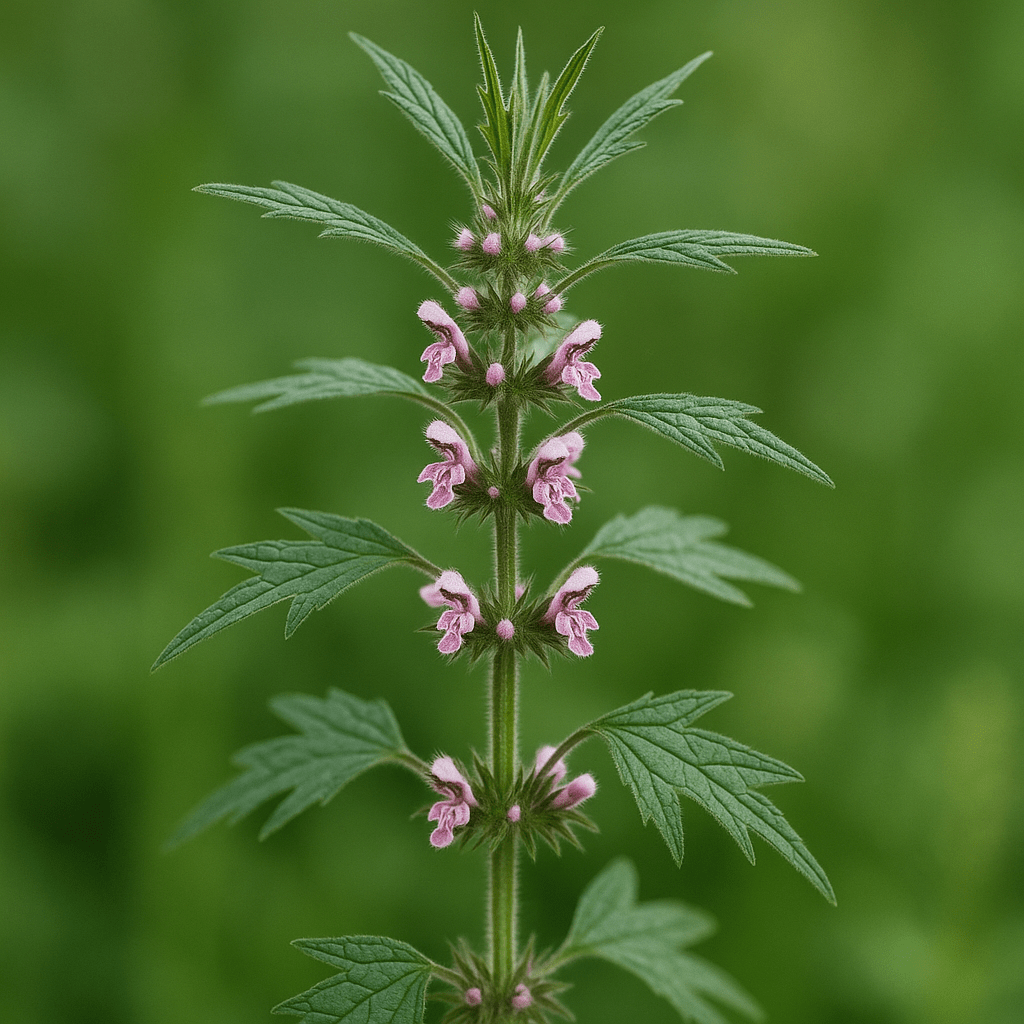
Leonurus, commonly known as Motherwort, is a revered herb in both traditional Chinese and Western herbal medicine. Its Latin name, Leonurus cardiaca, speaks volumes—literally meaning “lion-hearted”—hinting at its historic use in supporting cardiovascular strength and emotional courage. This flowering plant belongs to the mint family and grows widely across temperate regions, where herbalists have long valued its ability to calm both physical and emotional tension. With soft purple flowers and serrated leaves, it’s as visually soothing as it is medicinally potent.

One of Motherwort’s most recognized benefits is its powerful support for heart health. It is known to act as a mild hypotensive, helping to reduce blood pressure, calm heart palpitations, and regulate heart rhythm, particularly when stress or anxiety is involved. Its gentle action on the circulatory system makes it a choice remedy for individuals dealing with high-stress lifestyles or emotionally induced cardiovascular symptoms. By enhancing blood flow and easing tension in the nervous system, Leonurus becomes a potent ally in maintaining inner calm and cardiac balance.

Beyond its cardiovascular properties, Leonurus is also celebrated for its effect on the female reproductive system. Traditionally used to ease menstrual discomfort, reduce cramps, and support hormonal balance, it is often referred to as a “woman’s herb.” It has been used to bring relief during difficult PMS episodes and even to support postpartum recovery. By helping to ease uterine spasms and balance mood swings, Motherwort offers nurturing support that echoes its name—like a gentle embrace from Mother Nature herself.

Energetically, Leonurus is both grounding and uplifting. Its calming effect on the nervous system makes it an ideal herbal companion for those struggling with anxiety, insomnia, or emotional overwhelm. In Taoist and holistic traditions, it is considered a heart-anchoring herb that brings the Shen—the spirit—back to stillness. In today’s chaotic world, Motherwort stands as a quiet yet fierce guardian of emotional resilience, spiritual ease, and physiological harmony. As both a tonic for the heart and a balm for the soul, Leonurus continues to live up to its ancient reputation.

Ask Me Anything Wednesday for July 16 , 2025

QUESTION: “Can the phase of the moon influence the potency or absorption of herbal remedies, and if so, how should timing be adjusted when using tinctures or decoctions?” This is from Shauna who lives in Bangor, ME. Thank you Shauna!

ANSWER: Throughout the ages, lunar rhythms have been honored as subtle but potent influencers of human physiology and nature’s healing cycles. In natural medicine—particularly in Taoist, Ayurvedic, and certain Indigenous traditions—the moon is not merely a backdrop to the night sky, but a rhythmic pulse that guides plant vitality, fluid dynamics in the body, and even emotional receptivity. Practitioners who work closely with herbal medicines have observed that certain phases of the moon enhance absorption, cellular response, and the energetic imprint of the remedy itself.

The new moon is seen as a time for cleansing and release, making it ideal for detoxifying herbs and purgative formulations. In contrast, the full moon amplifies energy and circulation, often enhancing the potency and uptake of tonics, adaptogens, and blood-moving herbs. During the waxing phase (new to full), the body is considered to be more absorptive, which supports building and nourishing remedies. The waning phase (full to new) is better suited for clearing and eliminating protocols. Even the timing of harvesting herbs is affected—plants gathered during a full moon often have stronger aromas and active constituents.

While modern science has only begun to scratch the surface of lunar medicine, bioelectrical and circadian studies are showing correlations between moon cycles and hormonal fluctuations, sleep patterns, and even wound healing. For those crafting or prescribing tinctures and decoctions, subtle timing can be the invisible thread that deepens effectiveness. If we learn to sync our remedies with nature’s pulse, we engage not just in medicine—but in rhythm, reverence, and relationship.

Tylophora Indica: The Ayurvedic Ally for Lungs, Immunity, and Inflammation

Tylophora indica, commonly known as Indian Ipecac or Antamul, is a traditional Ayurvedic herb recognized for its powerful therapeutic effects, particularly on the respiratory system. Native to India and Southeast Asia, the plant is a climbing vine with distinctive purple flowers and soft, oval leaves. For centuries, Ayurvedic physicians have used its leaves to support lung health, alleviate asthma symptoms, and treat chronic bronchitis. Modern herbalists now value it for its natural ability to ease inflammation and promote deeper, easier breathing.

One of the herb’s most important actions is as an immune modulator. Tylophora contains alkaloids such as tylophorine, which have been shown in studies to possess anti-inflammatory, antiallergic, and even immunosuppressive properties. These effects make it a rare botanical that can both stimulate and regulate the immune system, making it useful in autoimmune conditions, seasonal allergies, and chronic inflammatory disorders. It is also known to be expectorant and emetic in larger doses, which supports its traditional use for clearing respiratory blockages and toxins.

In addition to its respiratory and immune benefits, Tylophora indica has shown promise in managing joint pain and inflammation. Herbal formulas sometimes include it to relieve the discomfort associated with rheumatoid arthritis or other inflammatory conditions. Its calming influence on overactive immune responses contributes to its efficacy in such cases. However, because of its potent alkaloid content, this herb is generally recommended under the supervision of a qualified practitioner, especially if taken for extended periods.

Caution should also be taken due to its potential side effects. Some individuals report mild nausea or vomiting after taking the fresh leaves or extracts, which is why precise dosing and form matter. Despite this, when used appropriately, Tylophora indica stands as a multifaceted herbal ally—offering support to the lungs, immune system, and inflamed tissues. It bridges the ancient wisdom of Ayurvedic medicine with the growing body of modern herbal research, proving itself a botanical of enduring value in the world of natural healing.

Privet Fruit: A Potent Ally for Longevity and Immunity

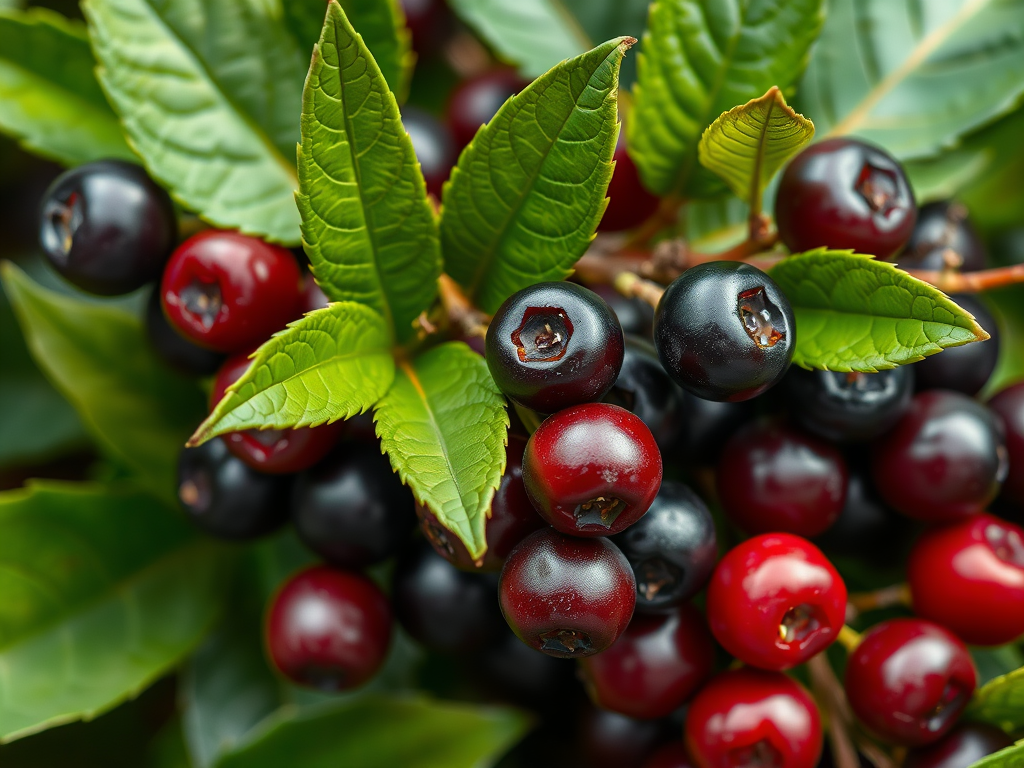
Privet fruit, also known in Traditional Chinese Medicine as Nu Zhen Zi, is a small, glossy black berry harvested from the Ligustrum lucidum plant. Long revered for its restorative properties, this herb is especially valued for its ability to nourish the liver and kidneys—organs central to vitality and aging in Eastern medicine. Often prescribed for symptoms like dizziness, blurred vision, premature graying of hair, and tinnitus, privet fruit has earned its place as a staple in formulas that support longevity and balance.

One of its most praised effects is on the immune system. Privet fruit contains powerful antioxidant compounds, including oleanolic acid, which may help protect cells from oxidative stress and promote healthy immune responses. Modern studies suggest that its compounds exhibit anti-inflammatory and even anti-cancer potential, although further human research is needed to validate these findings. In traditional herbalism, it’s often combined with herbs like Eclipta and Goji to enhance its adaptogenic qualities and support the body during times of chronic stress or depletion.

Energetically, privet fruit is considered cooling and nourishing, making it ideal for those suffering from “yin deficiency”—a state associated with overexertion, insomnia, dry skin, and fatigue. Unlike many stimulating herbs, it works subtly, building strength over time without taxing the system. As such, it’s frequently used in post-illness recovery or as part of an anti-aging tonic for those seeking to restore their deep energy reserves. Its ability to support both the physical and emotional foundation of health underscores its value in long-term wellness regimens.

Whether consumed as a tea, tincture, capsule, or as part of a larger tonic formula, privet fruit offers a gentle but profound healing potential. As always, it should be used under the guidance of a knowledgeable practitioner—particularly for individuals with sensitive digestive systems or those on medications. In an era where true rejuvenation is rare, this humble berry reminds us of nature’s quiet power to restore harmony and vitality from the inside out.

Natural Health Question of the Week

What ancient remedy or forgotten natural ingredient was once used to promote dream clarity—and could it still have relevance in modern holistic sleep support?

Throughout history, many traditional cultures valued dreams as sacred messages or diagnostic tools for health and spiritual guidance. Among them, ancient Egyptians, Taoist sages, and Native American tribes all used specific herbs and rituals to enhance dream clarity. One such ingredient is Calea zacatechichi, also known as the “Dream Herb,” used by the Chontal people of Mexico. They believed it could open the gateway to vivid, meaningful dreams and even induce lucid dreaming. Another lesser-known substance is mugwort, a common herb in European and Asian folk medicine, often used in teas or placed under pillows to stimulate dreams and spiritual visions.

In modern natural health, these dream-enhancing botanicals are resurfacing—not as mystical tools, but as gentle allies in sleep support. Many people today suffer from fragmented sleep or a complete disconnect from their dream life due to high stress, blue light exposure, and poor sleep hygiene. Using herbs like mugwort, blue lotus, or even passionflower in low doses, alongside mindfulness practices and sleep ritual rebalancing, can reawaken the dream state and improve overall restfulness. These botanicals may gently nudge the nervous system toward parasympathetic (rest-and-digest) dominance, allowing the subconscious to express and heal through dreams.

While more research is needed to validate their efficacy in clinical terms, these ancient remedies remind us that the boundary between sleep and wakefulness, mind and body, isn’t as fixed as modern medicine suggests. Natural dream allies may not only promote deeper sleep but also reconnect us to parts of ourselves long forgotten in the noise of daily life. Integrating these herbs with practices like journaling, Taoist dream yoga, or simply sleeping with intention could make sleep not just restful, but restorative on every level.

Ask Me Anything Wednesday for July 2, 2025

QUESTION: What forgotten or lesser-known ancient remedy—once used by indigenous cultures but now rarely discussed—could hold the key to solving a modern chronic illness without pharmaceuticals?

ANSWER: One such forgotten remedy is pitcher plant extract (Sarracenia purpurea), a carnivorous plant once used by Native American tribes, particularly in the northeastern regions of North America. The Cree and Mi’kmaq people used the root and fluid of this plant to treat conditions ranging from smallpox to digestive disorders. It was believed to possess potent antiviral and immune-stimulating properties, and anecdotal reports suggest it offered relief from systemic infections at a time when modern medicine didn’t exist.

In the modern era, pitcher plant has largely vanished from mainstream health conversations. Yet recent interest has quietly reignited among herbalists and integrative physicians who are exploring its application for viral diseases and inflammation-based conditions such as fibromyalgia or post-viral fatigue. Research is limited, but preliminary studies have hinted at antiviral effects against certain herpes strains. The plant’s unique chemical structure—rich in secondary metabolites and enzyme inhibitors—may help regulate immune overreactions, a critical component in many autoimmune disorders.

What makes pitcher plant especially compelling is that it works on both the immune and digestive systems—two foundational aspects of natural health. Unlike pharmaceutical antivirals that often suppress symptoms, this remedy seems to modulate the system holistically, allowing the body to recalibrate itself. Because many modern chronic illnesses stem from immune dysregulation and gut disruption (like IBS, Hashimoto’s, or chronic fatigue syndrome), Sarracenia’s dual action could offer a forgotten yet potent route to true systemic healing.

Reviving such remedies isn’t just an academic exercise—it reflects a broader question about what wisdom has been overlooked in our rush toward synthetic solutions. Nature often whispers what labs shout. The pitcher plant, like many ancient botanicals, beckons us to reconsider what healing means when it aligns with the rhythms and intelligence of the Earth. Exploring its potential requires both reverence and rigorous study—but it could very well be one of nature’s buried treasures waiting to be rediscovered.

Ramulus Cinnamomi: The Great Digestive Warmer

Ramulus Cinnamomi, known in Traditional Chinese Medicine (TCM) as Gui Zhi, is the tender twig of the cinnamon tree. While many are familiar with cinnamon bark for its culinary uses, the twig itself holds a special place in classical herbal formulas. Harvested when the branches are young and pliable, Ramulus Cinnamomi is considered warm, sweet, and pungent in nature—making it a versatile remedy for a range of internal cold patterns and stagnation issues. In TCM, it is frequently used to release the exterior and promote the flow of Yang energy, especially in cases where the body struggles to circulate warmth.

One of Gui Zhi’s primary functions is to disperse cold and improve circulation. In clinical use, it is often included in formulas to relieve chills, mild fevers, and body aches associated with wind-cold invasion. It excels at guiding the body’s natural warmth outward, unblocking the superficial layers so that pathogenic influences can be vented through the skin. Gui Zhi is also known for its ability to harmonize the relationship between Ying (nutritive) and Wei (defensive) Qi—making it especially useful for conditions where this balance is disrupted, such as spontaneous sweating or alternating hot and cold sensations.

Beyond its effects on the immune and circulatory systems, Ramulus Cinnamomi also warms the channels and is used to treat joint and menstrual pain caused by cold obstruction. In formulas targeting arthritic pain, cramps, or cold-related stiffness, Gui Zhi helps warm and open the meridians, restoring fluid movement and relieving discomfort. This function also makes it a favorite for treating cold-type dysmenorrhea, where warmth and improved flow are essential. Often combined with herbs like Bai Shao (White Peony) or Sheng Jiang (Fresh Ginger), Gui Zhi works gently yet powerfully to bring heat to cold, stagnant areas.

In terms of emotional and energetic use, Gui Zhi is often used by Taoist and classical practitioners to soften inner rigidity and promote emotional fluidity. As a plant that brings warmth and movement, it is seen as a metaphor for the gentle activation of blocked energy within the spirit. When used skillfully, Ramulus Cinnamomi not only treats physical cold, but also acts as a botanical ally to help the body and heart regain flow, warmth, and harmony. Whether used in decoction, powder, or classical formulation, Gui Zhi remains a cornerstone of elegant herbal medicine.