
Spirulina: Nature’s Ancient Superfood

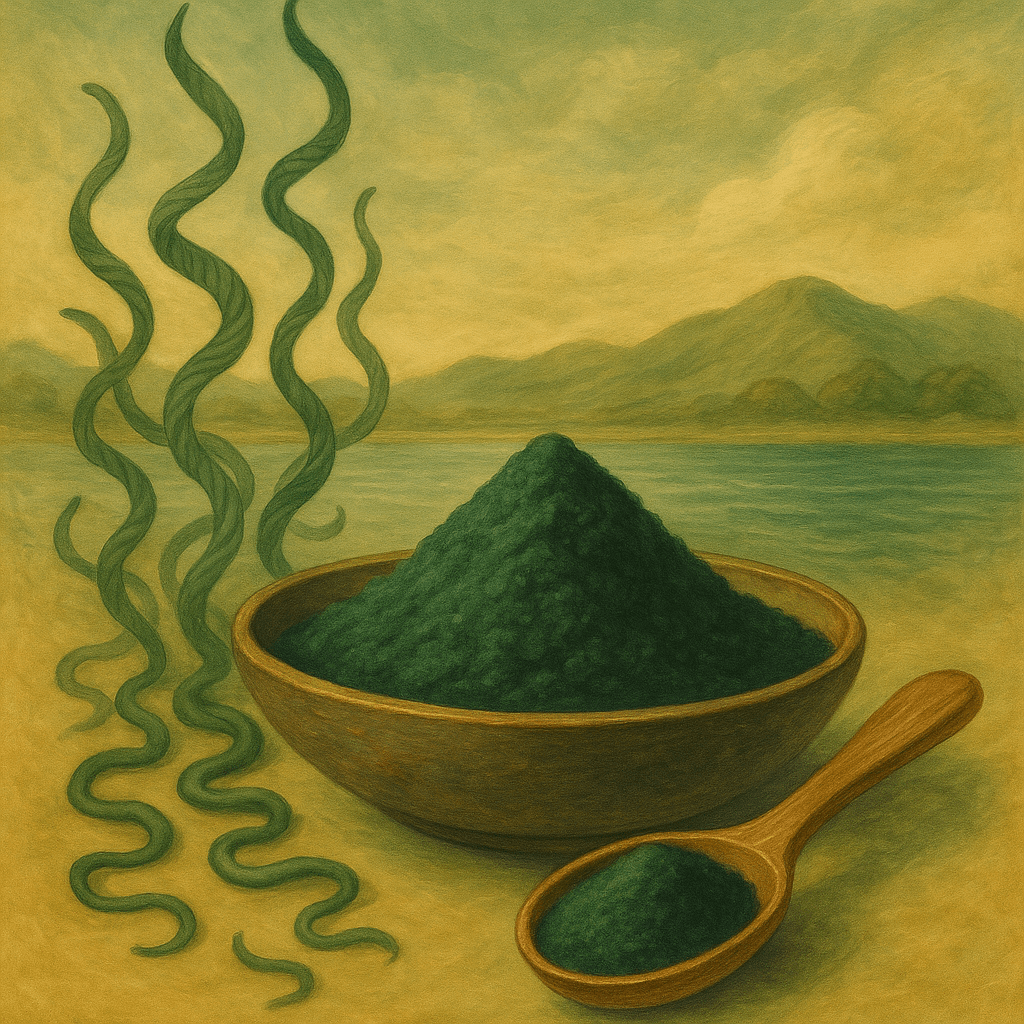
Spirulina is a blue-green algae that has been consumed for centuries due to its exceptional nutritional value and health benefits. Originating from alkaline lakes and warm, mineral-rich waters, this microscopic organism is often called a “superfood” because it contains an extraordinary concentration of protein, vitamins, and minerals. Just a small amount of spirulina delivers a broad spectrum of nutrients, including B vitamins, iron, magnesium, potassium, and essential amino acids, making it an excellent supplement for those seeking vitality and balance through natural means.

One of spirulina’s most profound benefits lies in its ability to detoxify the body, particularly from heavy metals such as arsenic, lead, and mercury. In parts of the world where arsenic-contaminated water poses a health hazard, spirulina has shown promise in reducing the toxic load on the liver and kidneys. Its high chlorophyll content also assists in cleansing the blood, while the phycocyanin compound found in spirulina has been shown to protect cells from oxidative damage and support healthy inflammation levels. This makes it especially valuable for those dealing with environmental toxins, inflammation, or sluggish digestion.

Spirulina also supports immune function and energy production. It stimulates white blood cell activity, enhances antibody responses, and has been shown to improve endurance in athletes. Many individuals who supplement with spirulina report increased mental clarity, improved stamina, and better skin health. These effects are believed to be due in part to the bioavailable iron and B12-like compounds present in the algae, which help combat fatigue and boost red blood cell production naturally.

While often overlooked in mainstream nutrition, spirulina holds a sacred place in ancient healing traditions. From the Aztecs who harvested it from Lake Texcoco to modern naturopaths and herbalists, its power is now being rediscovered and respected. As with all powerful natural remedies, quality matters—look for organic, lab-tested spirulina grown in clean environments. Used wisely, this ancient algae can serve as a quiet force for renewal in a world that desperately needs detoxification, nourishment, and deep healing.

Stop Westernizing Natural Medicine

In recent years, natural medicine has exploded into the mainstream. Yet beneath the glossy packaging and influencer-approved branding lies a troubling trend — the Westernization of an ancient, patient-centered practice. Instead of honoring the roots of Eastern wisdom, many so-called “natural” products now mimic the pharmaceutical model: isolate symptoms, match them with a formula, and sell it in bulk. This disease-first mindset is exactly what natural medicine was never meant to be.

At the heart of the Western model lies pathology. It begins with a diagnosis — a label. The patient becomes a condition, a case file, a problem to be solved. From there, the model applies a reductionist solution: suppress the symptom, adjust the numbers, override the body. Whether it’s a pill or a plant, the approach is mechanistic. This works well for emergencies and trauma. But it fails miserably when dealing with the subtle, chronic, energetic, and emotional patterns that define true healing.

Eastern medicine, by contrast, begins with the patient. The person is seen as a whole — body, mind, spirit, environment, and ancestry. Symptoms are not the enemy. They are messages, part of a larger pattern the practitioner learns to decode. Herbs are prescribed not by what disease they treat, but by how they harmonize with the individual’s constitution. Two people with the same diagnosis may receive entirely different treatments. That’s because the medicine is not about the disease — it’s about the human being.

Unfortunately, many modern product creators have lost this thread. In an attempt to scale, simplify, and “modernize,” they stuff their formulas with long lists of herbs, assuming that more is better. But cramming 30 ingredients into a capsule doesn’t create balance. It creates confusion. These blends often ignore herbal energetics, preparation methods, and synergy. The result? A Frankenstein supplement that may look impressive on the label but bears no resemblance to true medicine. They’re chasing results, not healing.

We must return to a patient-first paradigm. This doesn’t mean rejecting innovation. It means rooting it in tradition. Every product, every protocol, every practitioner should begin with this question: Who is this person? Not what’s trending. Not what sells fast. Not what symptom can be squashed. Real natural medicine listens first. And if we want to preserve its power, we must stop Westernizing it — and start remembering where it came from.


Dr. David Orman
Acupuncture Physician & Wellness Expert
davidorman.com | david@davidorman.com

Master Health Quote Thursday: 6/19/25

Shilajit, a sticky, tar-like substance found in the Himalayas and other high mountain ranges, has long been revered in Ayurvedic medicine for its wide-ranging health benefits. One of its most powerful yet lesser-known effects is its ability to support the body’s natural production of nitric oxide (NO), a molecule vital for circulation, energy, and cellular communication. Unlike synthetic NO boosters that often rely on isolated compounds, shilajit provides a full-spectrum mineral matrix that nourishes the body and works in harmony with its natural processes.

Nitric oxide plays a crucial role in vasodilation—relaxing the inner muscles of the blood vessels—which improves blood flow and lowers blood pressure. This has major implications for cardiovascular health, athletic performance, brain function, and even sexual vitality. Shilajit enhances this process by providing fulvic acid and over 80 trace minerals, many of which are necessary cofactors in the enzymatic conversion of L-arginine into nitric oxide. This makes it a holistic and sustainable option for anyone seeking to improve circulation and overall vitality.

What sets shilajit apart is not just its mineral content, but its adaptogenic nature. It helps the body resist stress, stabilize blood sugar, and increase energy at the mitochondrial level—where nitric oxide is also synthesized. This multi-layered support makes it especially valuable for older adults, athletes, and individuals recovering from illness or fatigue. Regular use of high-quality, purified shilajit has been shown to restore strength, increase endurance, and promote clarity of mind.

To integrate shilajit into your routine, a pea-sized amount (typically 300–500 mg) of resin or powder can be dissolved in warm water or herbal tea once daily, preferably in the morning or before exercise. As always, ensure the product is purified and tested for heavy metals. In the realm of natural medicine, few substances deliver such deep nourishment with so little effort. As modern science catches up to ancient wisdom, shilajit stands out as a true master herb for those seeking vitality from the inside out.

Ask Me Anything: June 18, 2025

Question: how does natural medicine use this timing to enhance healing?

Answer: Yes, the time of day you take an herbal remedy can significantly influence its effectiveness. In natural medicine systems like Traditional Chinese Medicine (TCM) and Ayurveda, the body follows rhythmic cycles known as “organ clocks” or dosha cycles that align with nature’s flow. These systems teach that different organs and energetic functions are more active at specific times, and aligning herbal intake with these natural rhythms can optimize both absorption and energetic resonance.

In TCM, for example, the Liver is most active between 1:00 and 3:00 AM, while the Lungs dominate between 3:00 and 5:00 AM. If someone is taking herbs to support liver detoxification, consuming them in the late evening may help prepare the liver for its early-morning activity. Conversely, lung tonics or respiratory herbs may work better when taken upon waking. This is not only due to organ energy but also to how the body’s hormonal and metabolic systems operate in harmony with light, sleep, and digestion.

Ayurveda offers a similar view, structuring the day into three repeating cycles of Vata (movement), Pitta (transformation), and Kapha (stability). A stimulating herb like ginger may be best taken during Kapha time (early morning) to energize and clear sluggishness, while cooling herbs like Brahmi might be more effective during Pitta hours (midday) to calm the fire of digestion or overthinking. The ancient sages viewed the body not as a machine but as a garden responding to the sun, moon, and elements.

Modern chronobiology is beginning to catch up. Studies show that circadian rhythms influence drug metabolism, hormone levels, and even immune response. Natural medicine, which has always observed nature’s timing, now finds scientific backing for what healers have known for thousands of years: timing matters. Healing isn’t just about what you take, but when you take it—because nature works like music, not a stopwatch.

Question of the Week 5/30/25

Can Emotions Really Make Us Sick? If So, How Do We Heal Naturally?

Answer:

In natural medicine, there is a growing recognition that unresolved emotions do not just influence us. They become part of our physical reality. But can grief, anger, fear, or shame truly turn into illness? This is not just poetic language. It is a real phenomenon with roots in both ancient traditions and modern science.

Traditional Chinese Medicine teaches that every organ is linked to a specific emotion. The liver is tied to anger, the lungs to grief, the kidneys to fear, and the heart to joy. When emotions are not processed, they create stagnation in the body. This is not metaphor. Chronic stress raises cortisol, weakens immunity, alters digestion, and disrupts the nervous system. Emotions become chemistry. They tighten fascia, shift posture, disturb sleep, and silently build the foundation for chronic conditions.

Natural healing begins with movement and breath. Qi Gong, Bagua, and somatic techniques help the body unwind. Herbs like Holy Basil ease the mind. Schizandra nourishes the spirit. Reishi supports the heart and promotes deep calm. Meditation also plays a key role. It allows emotions to rise without resistance. This is not about pushing feelings away. It is about creating space to let them pass through.

The real lesson is this. Your body is not betraying you. It is speaking to you. Symptoms are not enemies. They are messages. When we meet emotions with awareness instead of suppression, healing begins. And nature is always ready to guide the way back to balance.

UPDATE: To go deeper into this work, explore my Bagua and Sacred Sounds course—a unique blend of circular martial movement and healing vibration. This course is designed to release trapped emotions, activate energy centers, and restore your inner rhythm. It is not just exercise. It is transformation. Enrollment opens Sunday, June 1. Begin your journey at:

Magnesium: The Master Mineral for Health and Healing

Magnesium is one of the most vital minerals in the human body, involved in over 300 enzymatic reactions. It supports everything from muscle function and nerve conduction to energy production, DNA synthesis, and heart rhythm regulation. Despite its importance, magnesium deficiency is common due to soil depletion, processed diets, stress, and certain medications. Symptoms of deficiency can include fatigue, irritability, muscle cramps, anxiety, and even irregular heartbeat.

Magnesium is often recommended for a wide range of health conditions including insomnia, high blood pressure, migraines, PMS, constipation, and anxiety. It also plays a key role in regulating calcium and potassium levels and supports bone health, making it essential for both structural and functional wellness. Because it’s involved in cellular detoxification, it’s also a favorite among natural medicine practitioners for aiding in liver function and reducing inflammation.

There are multiple forms of magnesium, each with different absorption rates and specific uses. Choosing the right type is key to getting optimal results. Here’s a breakdown of the most popular forms and what they’re best used for:

Types of Magnesium & Uses:

  • Magnesium Glycinate – Best for anxiety, insomnia, muscle relaxation; highly bioavailable and gentle on the stomach.
  • Magnesium Citrate – Ideal for constipation and bowel regularity; has a mild laxative effect.
  • Magnesium Malate – Great for chronic fatigue and fibromyalgia; supports energy production.
  • Magnesium Threonate – Enhances cognitive function and memory; crosses the blood-brain barrier.
  • Magnesium Oxide – Used for acid reflux and short-term constipation; lower absorption but cost-effective.
  • Magnesium Chloride – Well-absorbed and supports detoxification and metabolism; can be used topically.
  • Magnesium Sulfate (Epsom salts) – Common in baths for muscle soreness, stress relief, and detox.
  • Magnesium Lactate – Gentle on the stomach; good for those needing long-term supplementation.

Choosing the right magnesium form depends on your specific health goals. Always consult with a knowledgeable practitioner to determine the appropriate dosage and type for your needs.

Is It Really Safe

Recent Studies Reveal The Truth About Marijuana

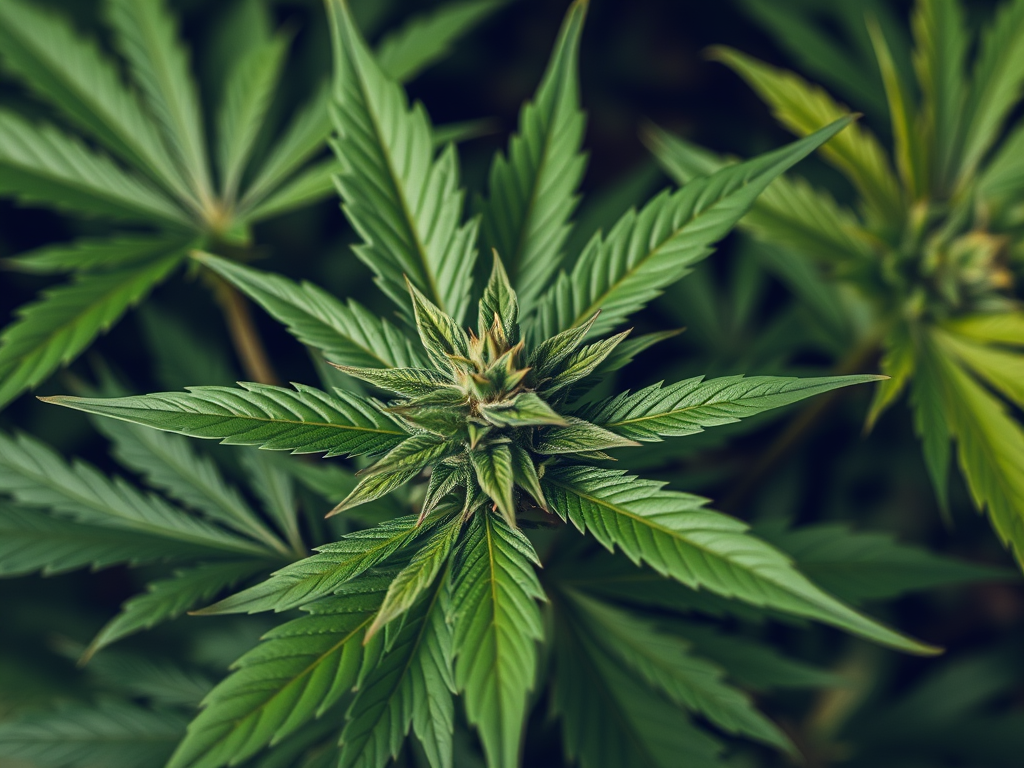
Recent research underscores the potential risks of cannabis use on brain health, particularly among young adults and heavy users. A study from McGill University, led by Dr. Romina Mizrahi and PhD student Belen Blasco, utilized advanced brain imaging to examine 49 individuals aged 16 to 30, some of whom were at high risk for psychosis. The findings revealed that cannabis use was associated with decreased synaptic density in critical brain regions such as the prefrontal cortex, anterior cingulate cortex, and striatum—areas vital for cognitive and emotional functions. Dr. Mizrahi noted, “Cannabis appears to disrupt the brain’s natural process of refining and pruning synapses, which is essential for healthy brain development.”

Complementing these findings, a large-scale study published in JAMA Network Open analyzed data from 1,003 adults aged 22 to 36. The research indicated that 63% of heavy lifetime cannabis users—defined as those who had used cannabis over 1,000 times—exhibited reduced brain activity during working memory tasks. Similarly, 68% of recent users showed comparable impairments. These deficits were most pronounced in the dorsolateral prefrontal cortex, dorsomedial prefrontal cortex, and anterior insula, regions associated with decision-making, memory, and emotional processing. Lead author Dr. Joshua Gowin emphasized the importance of understanding these effects as cannabis use becomes more prevalent globally.

The potential negative effects of cannabis on the brain include:

  • Impaired working memory, affecting the ability to follow instructions or perform calculations.
  • Reduced synaptic density, leading to disrupted communication between neurons.
  • Increased risk of psychosis, particularly in individuals with a predisposition to mental health disorders.
  • Altered brain regions involved in motivation, reward processing, and emotional regulation.
  • Potential long-term cognitive deficits, especially with early and heavy use.

These studies highlight the necessity for further research into the long-term impacts of cannabis on brain health. As Dr. Gowin stated, “By doing so, we can provide a well-rounded understanding of both the benefits and risks of cannabis use, empowering people to make informed decisions and fully comprehend the potential consequences.”

The Remarkable Benefits of Licorice Root

Licorice root, known botanically as Glycyrrhiza glabra, has been used for thousands of years in traditional Chinese, Ayurvedic, and Western herbal medicine. Its sweet flavor and powerful healing properties make it a staple in both therapeutic and culinary settings. Often used as a soothing agent, licorice is more than just a flavoring—it’s a potent herbal ally with wide-ranging benefits for the body and mind.

One of the most well-known uses of licorice is for digestive support. It has natural anti-inflammatory and demulcent properties, making it highly effective in calming ulcers, acid reflux, gastritis, and other gastrointestinal issues. Licorice helps coat the stomach lining and supports the repair of mucosal tissues. Deglycyrrhizinated licorice (DGL) is often used to avoid potential side effects of whole licorice while still reaping these digestive benefits.

Licorice also plays a significant role in supporting the adrenal glands and managing stress. It helps modulate cortisol levels, making it beneficial for those experiencing fatigue, burnout, or adrenal dysregulation. By gently supporting the body’s stress response system, licorice enhances endurance and resilience during periods of physical or emotional challenge. Its adaptogenic qualities make it a valuable herb for long-term vitality.

In terms of immune function, licorice root offers antiviral, antibacterial, and anti-inflammatory effects. It has shown promise in helping the body fight respiratory infections, including sore throats, bronchitis, and even certain viral strains. The herb also assists in thinning mucus, making it easier to expel, while soothing irritated tissues along the respiratory tract. These immune-modulating effects make licorice a go-to herb during cold and flu season.

While licorice offers many benefits, it should be used mindfully, especially for those with high blood pressure or kidney concerns, as whole licorice can lead to water retention and elevated blood pressure when taken in large amounts over time. Nevertheless, when used appropriately—especially in its DGL form or under the guidance of a skilled herbalist—licorice root is a potent, versatile, and time-honored herb that offers deep healing for digestion, immunity, and overall vitality.

Scientists Stunned: 99% of Nutrition Is Invisible to Us

Let’s dive into something mind-blowing:

Nutrition as we know it… is barely scratching the surface.

You already know real food trumps synthetic supplements — that’s obvious.

But even the most health-conscious among us rarely grasp just how deep the story goes.

For example:

  • Creatine synthesis needs B6, B9, and B12.
  • But B9 doesn’t even work without B12.
  • Choline can reduce your need for both.
  • High zinc blocks copper absorption. Too much copper? It blocks zinc.
  • Magnesium and B6 team up to keep the system alive and humming.

And that’s just a few highlights. The real dance of nutrients is infinitely more intricate.

Here’s where it gets wild:

Scientists just discovered that 99% of what’s in our food is invisible to us.

They’re calling it nutritional dark matter.

Right now, we only recognize about 150 nutrients — proteins, vitamins, minerals.

But real food? It contains over 26,000 distinct biochemicals.
Meaning the nutrition labels we trust only capture about 0.5% of what’s truly there.

The other 99.5%?

Still a total mystery.

Yet your body — this masterpiece of millions of years of evolution — knows exactly how to navigate it.

It doesn’t just need nutrients.
It needs nutrients working together, in perfect ratios, in ways science can barely understand.

For instance:

  • Liver doesn’t just deliver Vitamin A — it delivers retinol, the most usable form, along with the cofactors that make it work.
  • The iron from liver? It’s heme iron, absorbed up to 35% better than synthetic forms — and it shows up with the B vitamins and copper your body needs to actually use it.

This is the deep intelligence of nature.

Real food isn’t just ingredients.
It’s a symphony. A living matrix of forces working together in perfect, silent harmony.

You can’t fake it in a lab.

You can’t hack it with isolated pills.

You can only honor it — and feed your body the way it was meant to be fed.

Because when you give your body the full blueprint nature intended…

It doesn’t just survive.
It remembers how to thrive.

5 Powerful Exercises to (Re)Connect Your Core to Your Back and Eliminate Most Back Pain

Plus ONE Bonus Exercise.

Back pain affects nearly 80% of adults at some point in their lives — a staggering statistic that reflects the disconnection between how we move and how we’re designed to move. Often, the missing link lies in the deep core muscles, which are meant to support and communicate with the spine like an inner scaffold. When that connection is lost, discomfort, instability, and injury follow. These 5 exercises are simple yet powerful tools to restore harmony between your core and your back. Rooted in both modern biomechanics and ancient Taoist awareness, this daily ritual is more than physical—it’s a return to center, breath, and embodied presence.

1. Dead Bug (Core-Brain Reset)

Purpose: Activates deep core (transverse abdominis) while stabilizing the spine.

How-to:

  • Lie on your back, arms extended to the sky, knees bent at 90°.
  • Inhale. On the exhale, slowly lower one arm and the opposite leg toward the floor.
  • Keep your lower back gently pressing into the floor.
  • Return and switch sides. Do 6–8 slow, controlled reps per side.

Feel: Like your brain and core are syncing up. Smooth and precise movement is the goal.


2. Cat-Cow with Diaphragmatic Breathing

Purpose: Mobilizes the spine while syncing breath with movement, calming the nervous system.

How-to:

  • Start in tabletop position.
  • Inhale deeply into your belly and arch your spine (Cow).
  • Exhale fully, rounding your spine and drawing the navel in (Cat).
  • Focus on slow, rhythmic breath.

Feel: The breath massaging your spine from the inside out.


3. Bird-Dog (Cross-Body Control)

Purpose: Trains core stability and strengthens deep spinal stabilizers (multifidus, erector spinae).

How-to:

  • From tabletop, extend one arm and the opposite leg.
  • Keep hips square and stable—avoid shifting or leaning.
  • Hold for 3–5 seconds, then switch. Do 5–8 reps per side.

Feel: The cross-pattern neural wiring activating — reconnecting brain, spine, and core.


4. Wall Press March (Anti-Extension Core Drill)

Purpose: Re-engages the deep core while minimizing back strain. Very safe if you’ve had herniated discs.

How-to:

  • Stand or lie on your back with knees bent and feet on the floor.
  • Press hands into a wall (or resistance band) while lifting one knee to 90°.
  • Alternate knees while keeping constant pressure with your hands.
  • Stay connected to your breath.

Feel: Deep, internal core “firing” without overusing your hip flexors or lower back.


5. Supine Pelvic Tilts or Rolling Bridge

Purpose: Gentle way to realign pelvis, activate glutes, and release tension from lumbar spine.

How-to:

  • Lie on your back with knees bent, feet flat.
  • Inhale, gently arch lower back. Exhale, flatten it and press into the floor.
  • For bridges: Press through your heels and lift hips slowly, peeling spine off floor one vertebra at a time.
  • Lower with control. Do 8–10 slow reps.

Feel: Like you’re massaging the spine from the inside while syncing your breath with movement.


Bonus Taoist Tip:

Before or after, stand in Wu Ji posture (standing meditation): feet shoulder-width apart, soft knees, tailbone gently tucked, and crown lifted. Breathe into the lower dantian. Feel the subtle connection between spine and breath.

As you breathe up, think POWER. As you exhale and breathe down, think GRACE.

This is a Yin/Yang balance. Power is the ability to go through issues while Grace is the ability to deal with issues minus conflict.