AMA Wednesday for March 4, 2026

Q: How does chronic shallow breathing alter fascia tension patterns throughout the body, and can retraining breath mechanics measurably improve joint mobility and pain levels?

A: Chronic shallow breathing quietly reshapes the body from the inside out. When breath stays high in the chest and rarely descends into the diaphragm, accessory muscles of the neck and upper ribs become overworked while the deep core system underperforms. Over time this creates tension lines that travel through the fascial web, especially along the superficial front line and lateral lines. The rib cage stiffens, the thoracic spine loses rotation, and the pelvis can begin to tilt or lock in compensation. What begins as a breathing habit becomes a structural pattern.

Fascia responds directly to mechanical load and neurological input. When diaphragmatic movement is limited, the internal pressure system of the torso changes. The diaphragm, pelvic floor, transverse abdominis, and multifidi are designed to function as a coordinated pressure cylinder. Shallow breathing disrupts this synergy, reducing optimal intra-abdominal pressure and forcing the body to stabilize through gripping patterns instead of fluid tension. This gripping often shows up as tight hip flexors, jaw tension, restricted shoulder mobility, and even chronic low back discomfort. The body is not weak. It is overbraced and underbreathe.

Retraining breath mechanics can measurably improve joint mobility and pain levels because it restores rhythm to the entire myofascial system. Slow nasal diaphragmatic breathing with full rib expansion increases parasympathetic tone, reduces unnecessary muscle guarding, and improves oxygen delivery. As the diaphragm regains excursion, the thoracic spine becomes more mobile, the pelvis rebalances, and fascial hydration improves. In practical terms, when breathing deepens, movement often becomes smoother and pain decreases without directly stretching the painful area. The breath becomes both the diagnostic tool and the medicine, a principle that aligns beautifully with your integration of healing and martial structure.

The Habit That Quietly Blocks Healing

Most people assume that if they eat clean, take quality supplements, and exercise a few times a week, their body should naturally heal and improve. Yet many remain stuck in fatigue, pain, stubborn inflammation, or slow recovery. The reason is rarely a missing supplement. It is almost always a daily habit that keeps the nervous system in a low grade stress response. This can be constant screen exposure, rushing from task to task, shallow breathing, or even mental self pressure that never fully shuts off. When the body perceives ongoing stress, it diverts energy away from repair and regeneration and toward survival, no matter how good the nutrition looks on paper.

What makes this habit so damaging is that it often feels normal. People adapt to tension and call it productivity. They adapt to poor sleep and call it aging. They adapt to constant stimulation and call it modern life. The nervous system, however, keeps score. Elevated cortisol, suppressed digestion, reduced circulation to the organs, and impaired cellular repair follow quietly in the background. This is why some people do everything right yet plateau or regress. The body cannot heal in an environment of continuous urgency, even when that urgency is subtle and self imposed.

The solution is not drastic lifestyle change but precise interruption. One daily practice that signals safety to the nervous system can restore the body’s repair capacity. Slow nasal breathing, unhurried walking, eating without distraction, or ten minutes of true stillness can shift the internal state from survival to restoration. Healing begins when the body is convinced it is safe enough to invest energy in repair. Remove the habit that keeps stress humming in the background, and the systems you have been supporting finally get the chance to do their work.

CLICK HERE TO WORK ONE ON ONE WITH DR. DAVID ORMAN

AMA Wednesday for December 10, 2025

Q: What subtle imbalance in your daily rhythm might be silently draining your vitality even though your lab work looks perfectly normal?

A: When your lab work comes back normal but your body still whispers of fatigue, there is usually a quiet rhythm somewhere inside that has slipped out of harmony. Natural medicine has long understood that vitality is not measured only in numbers but in flow. The ancient physicians listened for the subtle tides of energy that rise and fall through the day, the way breath, mood, digestion, sleep, and movement align themselves like instruments in an unseen orchestra. When even one instrument falls slightly out of tune, the entire symphony loses strength. This is the fatigue that does not show up in bloodwork, yet reveals itself in the way you wake, the way you focus, the way you carry your weight through the day.

Often the imbalance begins where modern life presses hardest. Too much stimulation in the evening disrupts the Yin descent that prepares us for restoration. Too little natural light in the morning confuses the Yang ascent that sparks clarity and drive. Meals eaten in haste bewilder the Spleen Qi. Emotional tension curls the liver channels. This quiet drift away from the body’s natural timing is subtle enough to ignore but powerful enough to drain vitality over months and years. The body compensates until it cannot. Then the weariness appears, not as a disease but as a misalignment of life with the body’s ancient clock.

Restoring this inner rhythm does not require dramatic interventions. It requires noticing. It requires small rituals of alignment. Rising with light, cooling the mind before sleep, eating warm nourishing foods at consistent times, breathing deeply before tasks, moving the body as if coaxing Qi rather than forcing it. When these rhythms return, the vitality that seemed lost returns with them. This is the medicine beneath medicine, the art of reconnecting your life to the internal flow that has always been waiting for you to listen.

AMA Wednesday for Sept. 24 2025.

Q: How does long-term exposure to artificial light at night affect melatonin cycles and natural healing processes?

A: The Hidden Health Toll of Nighttime Light

Modern life has blurred the line between day and night. Street lamps, glowing screens, and indoor lighting often extend well past sunset, bathing us in artificial brightness. Yet the human body is hardwired to follow natural rhythms shaped by sunlight and darkness. Central to this cycle is melatonin, a hormone that signals when to sleep, regulates immune function, and supports deep cellular repair. When artificial light, especially the blue rich light from phones, TVs, and LED bulbs, floods our evenings, melatonin production is disrupted. This seemingly small interference can cascade into restless sleep, slower tissue healing, and weakened immune resilience.

Science shows that consistent exposure to light at night does more than delay sleep. It can impair the body’s ability to recover from exercise, suppress antioxidant activity, and alter the timing of hormone release. Over time, these changes may raise the risk of chronic issues such as metabolic imbalance, low grade inflammation, and even cardiovascular strain. Natural health traditions, from Taoist energy practices to Ayurvedic evening rituals, have long emphasized the healing power of true darkness and quiet nights. They understood that deep rest is not a luxury but a key to longevity and inner harmony.

Reclaiming the night is both simple and profound. Begin by dimming household lights two hours before bed and switching to warmer amber tones. Keep devices out of the bedroom or use blue light filters if evening use is unavoidable. Spend time outdoors at sunset to help your circadian rhythm reset naturally. These small, consistent actions invite the body back into balance, allowing melatonin to flow freely and the deeper work of healing to unfold quietly as nature intended.

Keyboard Diseases: How Hidden Hands Are Rewiring Our Minds

We live in an age where many of us are healthier in body than ever before but what about the health of how we think, act, and engage with others? There is a subtle epidemic, one with no physical symptoms yet capable of warping character, relationships, and the very way we see truth. I call them “keyboard diseases.” They compulsive online behaviors that destroy empathy, distort courage, and replace authentic action with keyboard echo. In the grip of this, we drift from being human to being a keyboard, typing out versions of ourselves we barely recognize.

Here are examples of this:

At first glance, cell-phone addiction seems benign, a modern (in)convenience. But it is not neutral. Every ping, every notification, pulls attention away from the sweet Now. Like an itch we cannot help scratching, our thumbs swipe, our focus splinters, and presence recedes. Then comes the hidden rant: the furious keyboard warrior who would never speak such things in person yet fires off messages when behind the safety of screens, comforted by distance and anonymity. Add to that the darker seeds: plotting harm, orchestrating divisive narratives, and using digital tools to hide intentions. These are not fringe phenomena—they are daily nuisances, internal viruses eating at virtue and clarity.

Beyond them lies another terrain, that of digital vigilantism and “echo chambers.” We now have armies of moral judges ready to pounce via screenshots, threads, and mass shaming. What starts as righteous indignation quickly becomes ritual bloodletting. Parallel to that, we collapse into echo chambers where the subtle is erased and complexity punished. We only share what confirms what we believe, we only hear what soothes our self-image. It someone disagrees, the mass of nasty verbiage comes raining down from the hidden keyboard.

And then there is doomscroll dependency, the addictive consumption of negative, fear-laden content. We ride each headline like a wave of anxiety, honing a worldview in which everything is crisis, betrayal, and collapse.

To understand why so many fall prey, we can learn a great deal from behavior science, especially the work of one of my favorites, Chase Hughes. Hughes, a former military intelligence officer turned behavior specialist, teaches that much of what we believe is our free choice is shaped (often invisibly) by how we process others, how we read signals, how we allow fear and insecurity to lead us. He teaches tools like the Behavioral Table of Elements (a framework for observing nonverbal cues, clusters of stress, and patterns of deception). He emphasizes that communication is not just in the words, but in posture, eye movement, voice tonality, all tools that both others and we ourselves use to influence perception.

This helps explain why “keyboard diseases” take root so easily. Behind the keyboard, people hide much (all?) of the nonverbal self. They strip away the cues that force accountability: the eyes that look away, the voice that quivers. They amplify what they think but rarely test, choosing content that confirms rather than challenges.

People then are easier targets for manipulation, both by others and by ourselves, because we believe our own posture is safe, our own rationality intact. Hughes warns of the “firewall illusion,” the false belief that one is immune to manipulation; ironically, believing that makes us more vulnerable.

Yet there is hope. Recognizing these “keyboard diseases” is the first step back to integrity. We can begin to reclaim our humanity by slowing down, by insisting on face-to-face communication from time to time, by stepping into conversation rather than comment threads. We can practice observing behavior, ours first, then others, like Hughes suggests. Notice how we sit, how we look, what our default gaze is, journaling small signals of discomfort or fear. We can challenge ourselves to consume what uplifts, not only what enrages. We can question what we share, and to pause before we type.

In the end, we are more than keyboards, more than screens or threads. We are bodies, minds, hearts — responsive, relational, vulnerable. These “keyboard diseases” steal from us not just civility, but presence, compassion, and the subtle courage of living fully. To heal, we need to put the keyboard in its proper place and recognize it as a tool, not a refuge. A mirror, not a mask. A servant, not a sovereign. Returning to that posture may seem small. But it is the ground on which true transformation grows.

It is the key to returning to a heart driven, compassionate society.

Part 2: From A Western Psychological View of Rejoicing in Violence

From a psychological standpoint, celebrating or enjoying the killing of someone purely for holding a different political view often stems from dehumanization and moral disengagement. When people begin to view opponents not as human beings but as dangerous “others” or as symbols of a hated ideology, empathy is switched off. This process allows individuals to perceive violence as justified—or even virtuous—because they believe the target represents a threat to their identity, values, or group survival. Social media echo chambers and polarizing news sources can intensify this effect by amplifying anger and portraying the other side as an existential enemy rather than as complex human beings.

A second factor is authoritarian or extremist thinking, which thrives on rigid black-and-white worldviews. People with these traits often crave certainty, hierarchy, and a simple moral order. Political opponents are seen not merely as people with different opinions but as “evil” forces to be eradicated. This mindset can create a psychological environment where violence feels not just acceptable but heroic, especially if the person believes they are protecting their in-group or a sacred cause. When combined with personal grievances, resentment, or feelings of powerlessness, this belief system can turn abstract hatred into a desire for literal harm.

There is also a strong emotional and identity component. For some, political identity becomes a core part of self-definition. When that identity feels threatened, the brain can react as though under physical attack, triggering fight-or-flight chemistry—adrenaline, cortisol, and aggressive impulses. In this heightened state, moral reasoning weakens and celebration of violence can feel like emotional vindication. Research shows that witnessing harm to an out-group can even activate the brain’s reward circuits if the person strongly identifies with an opposing group and perceives the harm as retribution.

Finally, social reinforcement and cultural narratives play a critical role. If peers, online communities, or influential figures applaud or glorify violence, individuals receive validation for destructive feelings. Over time, repeated exposure to such reinforcement dulls natural empathy and normalizes brutality. In this way, celebrating the murder of someone with different political views is rarely about politics alone; it is the end result of psychological processes—dehumanization, rigid thinking, threatened identity, and group validation—that strip away empathy and elevate aggression into a twisted form of moral triumph.

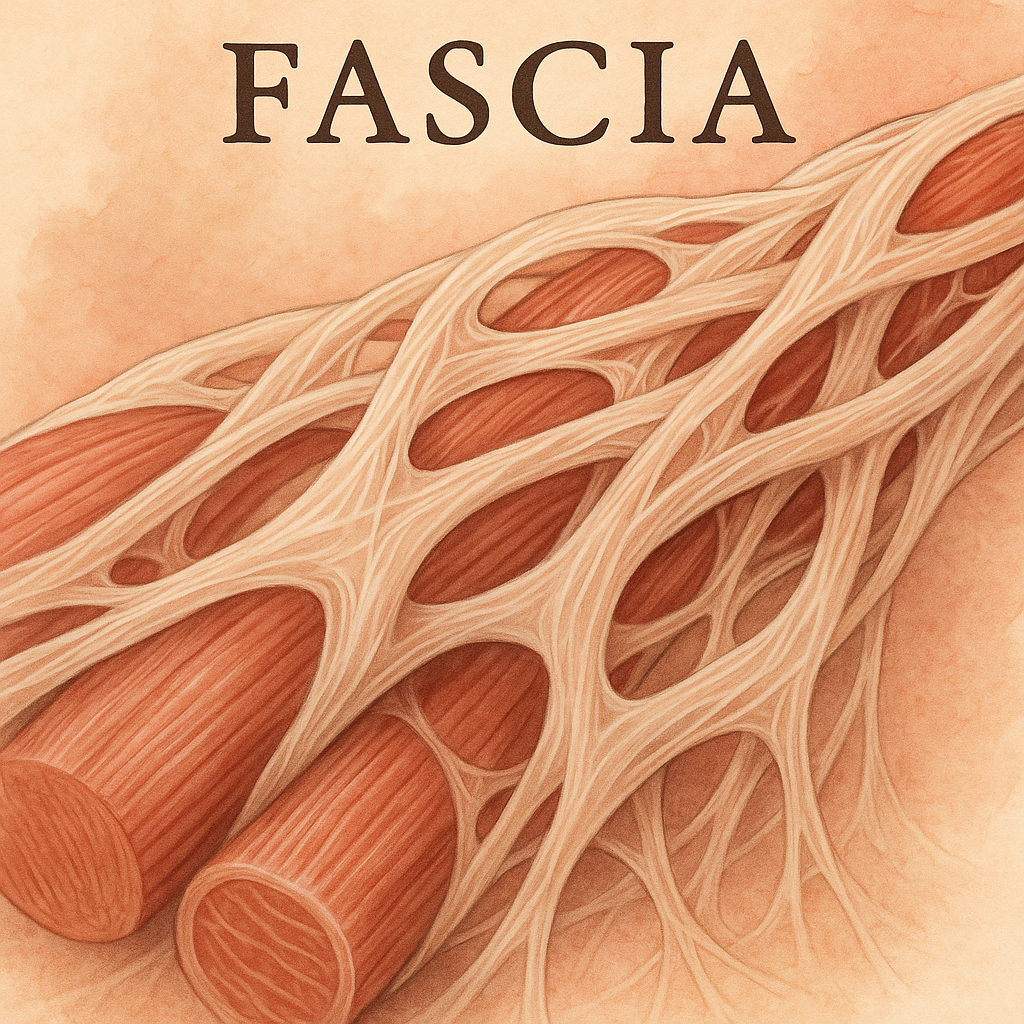
Fascia: The Smart Tissue That Holds More Than We Realize

Most people think fascia is just a thin sheet that wraps around the muscles, like plastic wrap around leftovers. They believe its only job is to hold everything in place. But after 15 years of working with fascia, we see it in a much more exciting way that changes how we understand the body itself.

Fascia Is Smart

Fascia is not passive packing material. It is alive, responsive, and intelligent in its own way. Experience shows that fascia can
• Hold memories, storing physical and emotional imprints from past injuries or traumas
• Send signals like electricity, creating a body wide communication network faster than nerves alone
• Collect information from the environment and transmit subtle sensory data to the brain, shaping how we move and feel

Instead of being background tissue, fascia is an active participant in health, movement, and awareness.

The Healthy State of Fascia

When fascia is healthy, it feels and functions like soft jelly. Imagine fiber optic cables carrying beams of light at incredible speeds. Healthy fascia works the same way, transmitting information quickly, fluidly, and efficiently throughout the body. This smooth transmission is what makes movement graceful, recovery faster, and the body more resilient.

What Happens When Fascia Is Unhealthy

Problems arise when fascia stiffens, hardens, or loses hydration. Instead of soft jelly, it becomes tough and rigid, like dried glue. This can lead to stiffness, chronic pain, reduced circulation, and slower healing. Since fascia is made mostly of water, it thrives on hydration, movement, and pressure changes. The tissue itself lives inside tiny pressurized tubes, creating an internal hydraulic system that supports flexibility and flow.

Fascia’s Hidden Role

Fascia holds everything together: muscles, bones, tendons, ligaments, and organs. But it also connects them in ways we are only beginning to understand. It is not just structure, it is communication, memory, and intelligence.

The next time you stretch, move, or breathe deeply, remember that you are not just working muscles. You are awakening fascia, your body’s hidden network of light, water, and information.

Dry Needling: An Old “Ashi” Technique Disguised as Something New

Dry needling is often presented in modern physiotherapy circles as a “breakthrough,” unique science-based intervention for muscle pain and dysfunction. Marketed as distinct from acupuncture, it uses acupuncture needles to target trigger points in muscle tissue, claiming to deactivate tension, restore mobility, and accelerate recovery. The language is purely Western. Rooted in anatomy, neurology, and biomechanics it gives an air of novelty for practitioners and patients who have never studied Traditional Chinese Medicine (TCM) or other styles of genuine acupuncture. Yet, behind the branding and rewording, the core technique is not new at all. It is essentially a repackaging of an ancient method that has been practiced for centuries in the East and decades in the West.

In Acupuncture, there exists a concept known as Ashi points. These are tender spots on the body that are not mapped as fixed meridian points but are identified by palpation in which the patient often responds with noted reaction when the spot is pressed. For hundreds, if not thousands, of years, Acupuncteure practitioners have needled directly into these points to relieve pain, improve circulation, and restore function. This method has been an integral part of traditional acupuncture practice and is recognized as one of the most effective approaches for treating musculoskeletal pain. What dry needling calls “trigger point therapy” or “neuromuscular reset” is, in function, a direct mirror of Ashi point needling. If it were a written work, it would be considered plagerism.

The marketing separation between dry needling and acupuncture exists largely for regulatory, professional, and commercial reasons. By avoiding the terminology of meridians, Qi, and traditional theory, dry needling positions itself as a modern, evidence-based alternative that physical therapists, chiropractors, and other non-acupuncturists can adopt without undergoing rigorous years of formal acupuncture training. This strategic rebranding creates a perceived innovation, allowing practitioners to bill differently, market to a different demographic, and sidestep the cultural associations some patients may have with acupuncture.

It is less about a genuine new discovery and more about reframing an old, proven method in contemporary language.

At its core, dry needling is not a revolutionary therapy, but rather a selective borrowing from TCM’s Ashi point technique with a Westernized story wrapped around it. The same stainless steel needles are used. The same process of palpating for tenderness, inserting the needle, and eliciting a therapeutic response is followed. Only the training, which is inadequate compared to Acupuncturists, is different.

And the explanation and marketing differs. By recognizing dry needling for what it truly is — a rebranded slice of traditional acupuncture stripped of its philosophical framework — we can see through the gimmick and appreciate the origins of the method. The real innovation lies not in the technique itself, but in the marketing that has successfully convinced many that it is something entirely new.

Ask Me Anything Wednesday for August 6 2025

QUESTION: “Can combining specific breathing patterns with herbal remedies enhance their absorption and therapeutic effects in the body?”

ANSWER: The idea of combining specific breathing patterns with herbal remedies is rooted in both ancient and emerging sciences. In traditional systems like Taoist medicine, Ayurveda, and Tibetan healing, breath is considered a carrier of life force (Qi, Prana, or Lung) that can direct and amplify the effects of plant medicine. Modern physiology supports this concept by showing that breathing influences circulation, oxygenation, and autonomic nervous system balance — all of which can impact digestion, nutrient absorption, and the way phytochemicals are delivered to tissues. Slow, rhythmic breathing activates the parasympathetic nervous system, shifting the body into a “rest and digest” state, which optimizes the assimilation of herbal compounds.

Certain breathing techniques may also enhance specific aspects of herbal therapy. For example, diaphragmatic breathing increases blood flow to the abdominal organs, improving liver and intestinal function — critical areas for processing and absorbing plant constituents. Pairing calming herbs like chamomile, lemon balm, or holy basil with gentle, deep breathing before and during consumption could enhance their relaxing effects. Conversely, pairing stimulating herbs such as ginseng or rhodiola with energizing breath patterns, like rapid bellows breathing or short breath retentions, might amplify their invigorating qualities by boosting circulation and activating the sympathetic nervous system in a controlled way.

For practical application, timing and intent matter. A practitioner could guide a patient to take a few minutes of specific breathwork before ingesting a herbal tea, tincture, or capsule, using the breath to “prime” the body’s receptivity. This could be as simple as inhaling for a count of four, holding briefly, and exhaling for a count of six for calming herbs — or adopting short, strong inhalations and exhalations to prepare for adaptogenic or stimulating herbs. Over time, this pairing can create a learned body response, where the breath pattern itself becomes a signal that it is time to receive and integrate plant medicine. This approach blends the subtle art of energetic medicine with the measurable science of breath physiology, offering a new frontier for natural healing.

Leonurus (Motherwort): Nature’s Gift for the Heart and Spirit

Leonurus, commonly known as Motherwort, is a revered herb in both traditional Chinese and Western herbal medicine. Its Latin name, Leonurus cardiaca, speaks volumes—literally meaning “lion-hearted”—hinting at its historic use in supporting cardiovascular strength and emotional courage. This flowering plant belongs to the mint family and grows widely across temperate regions, where herbalists have long valued its ability to calm both physical and emotional tension. With soft purple flowers and serrated leaves, it’s as visually soothing as it is medicinally potent.

One of Motherwort’s most recognized benefits is its powerful support for heart health. It is known to act as a mild hypotensive, helping to reduce blood pressure, calm heart palpitations, and regulate heart rhythm, particularly when stress or anxiety is involved. Its gentle action on the circulatory system makes it a choice remedy for individuals dealing with high-stress lifestyles or emotionally induced cardiovascular symptoms. By enhancing blood flow and easing tension in the nervous system, Leonurus becomes a potent ally in maintaining inner calm and cardiac balance.

Beyond its cardiovascular properties, Leonurus is also celebrated for its effect on the female reproductive system. Traditionally used to ease menstrual discomfort, reduce cramps, and support hormonal balance, it is often referred to as a “woman’s herb.” It has been used to bring relief during difficult PMS episodes and even to support postpartum recovery. By helping to ease uterine spasms and balance mood swings, Motherwort offers nurturing support that echoes its name—like a gentle embrace from Mother Nature herself.

Energetically, Leonurus is both grounding and uplifting. Its calming effect on the nervous system makes it an ideal herbal companion for those struggling with anxiety, insomnia, or emotional overwhelm. In Taoist and holistic traditions, it is considered a heart-anchoring herb that brings the Shen—the spirit—back to stillness. In today’s chaotic world, Motherwort stands as a quiet yet fierce guardian of emotional resilience, spiritual ease, and physiological harmony. As both a tonic for the heart and a balm for the soul, Leonurus continues to live up to its ancient reputation.