Bai Tou Weng, The Decisive Herb That Clears Heat and Restores Balance

Bai Tou Weng, known botanically as Pulsatilla chinensis, is a classic heat clearing and toxin resolving herb in traditional Chinese medicine. It is most famous for its strong action against damp heat lodged in the intestines, particularly when heat and toxicity create diarrhea, dysentery, or inflammatory bowel patterns. Historically, it was reserved for conditions where heat was intense and lingering, often accompanied by burning sensations, urgency, and irritability. This is not a gentle tonic herb but a decisive one, used when the body needs firm guidance back toward balance.

From a modern perspective, Bai Tou Weng is recognized for its antimicrobial, anti inflammatory, and immune regulating properties. Research has explored its activity against bacteria and protozoa, which helps explain its long standing use in infectious gastrointestinal conditions. It also shows potential cardiovascular and circulatory benefits through its cooling and blood calming effects. When used correctly and in proper formulas, it can help reduce systemic inflammation and restore functional harmony in the gut, which in turn supports overall immune resilience.

Energetically, Bai Tou Weng carries a descending, cooling quality that clears excess heat without scattering vitality when used appropriately. On an emotional level, it is associated with calming agitation that arises from internal heat, such as frustration, impatience, or restlessness. In classical Taoist terms, it helps settle turbulent fire so clarity and grounded awareness can return. Like many powerful herbs, its wisdom lies not in frequent use but in precise application, reminding us that true healing often comes from knowing when to act strongly and when to step back.


Your body already knows how to heal. It is waiting for the right guide.
One on one work with me removes the noise, the confusion, the wasted years.
Every session is precise, private, and designed to create real change you can feel.
If you are ready to stop searching and start transforming, this is your moment.

CLICK HERE TO SIGN UP NOW

Question of the Week: 9.5.25

Q: How does the health of your gut microbiome influence not only digestion but also mood, sleep, and immunity?

A: Most people think of the gut only as a place where food is broken down. Yet within this living system exists trillions of microbes—tiny organisms that act like gardeners, tending to the soil of our inner world. When this microbiome is balanced, digestion flows easily, nutrients are absorbed, and waste moves along without effort. But the influence goes far deeper than the belly. These microbes create chemical messengers that speak directly to the brain, often called the “second brain,” shaping not only how we process food, but how we feel.

A flourishing gut helps regulate mood through neurotransmitters like serotonin, most of which is produced in the digestive tract. This explains why imbalance in the gut often shows up as anxiety, irritability, or even depression. The same microbes also play a role in immune defense, training the body to recognize what is friend and what is foe. When they are nourished by fiber-rich foods, fermented vegetables, and mindful eating habits, the body becomes less prone to illness and inflammation. The gut becomes a quiet guardian, protecting with resilience and grace.

Even sleep is touched by this hidden community. Signals from the microbiome help regulate the circadian rhythm, the natural clock that governs when we rest and when we wake. When gut health falters, sleep often becomes fragmented, restless, or shortened. Yet with care—through simple practices like mindful breathing before meals, herbs that calm digestion, and steady routines—the gut can once again align with nature’s rhythm. In this way, tending to the gut is not just tending to the body, but to the mind, the spirit, and the deep harmony that connects them all.

AMA Wednesday: The Power of Seasonal Eating: Nature’s Rhythms for Health

Q: How can seasonal eating (choosing foods aligned with each season) influence energy levels, immunity, and mood throughout the year?

A: Nature moves in cycles. Spring blossoms, summer abundance, autumn harvest, and winter rest. Seasonal eating is the practice of aligning our diet with these natural rhythms, choosing foods that grow and ripen in each season. More than just a culinary tradition, it is a way of harmonizing our bodies with the environment, ensuring that we receive the nutrients and energies best suited for the time of year. Ancient medical systems such as Traditional Chinese Medicine and Ayurveda have long emphasized this connection, recognizing that food is medicine most effective when consumed in season.

In spring, tender greens like spinach, dandelion, and asparagus help cleanse the body after winter’s heaviness. Their light, detoxifying properties awaken sluggish energy and prepare us for renewal. Summer brings hydration and cooling through fruits like watermelon, cucumbers, and berries, balancing the heat and supporting stamina. Autumn’s root vegetables and squashes provide grounding and nourishment, fortifying us as the days shorten and temperatures drop. Winter then calls for warming stews, hearty grains, and medicinal teas that preserve energy and strengthen resilience against the cold.

Beyond nourishment, seasonal eating influences mood and immunity. Fresh, local foods harvested at their peak contain higher levels of vitamins, minerals, and antioxidants. These not only protect against seasonal illnesses but also help regulate circadian rhythms and neurotransmitters, stabilizing energy and emotional states. For example, summer’s bright fruits naturally uplift the spirit, while winter’s rich broths calm and restore. In this way, food is not just fuel but also an emotional and energetic ally, supporting us through the cycles of life.

Modern life often disconnects us from these rhythms, offering strawberries in January and pumpkins in June. Yet returning to seasonal eating is simple and powerful. Shop local farmer’s markets, observe nature’s cycles, and adjust meals to match the climate. Doing so reconnects us with the wisdom of the Earth, deepens our sense of balance, and creates a sustainable lifestyle that benefits both body and planet. Eating in season is not just nutrition. It is participation in the great rhythm of life.

Breath as Medicine: Qi Gong and Mitochondrial Health

Ask Me Anything Wednesday:

Q: How can practices like Qi Gong breathing influence mitochondrial health and fat metabolism in a way that modern research can measure?

A: The ancients spoke of breath as the bridge between heaven and earth, the unseen rhythm that nourishes both body and spirit. In Taoist practice, Qi Gong breathing is more than oxygen exchange. It is a deliberate art of guiding energy through the body, aligning the nervous system with the cycles of nature. Where modern science measures mitochondria—the tiny power plants of our cells—Taoist sages saw a glow of life-force. Both point to the same truth: breath is fuel for vitality.

Modern studies reveal that slow, deep diaphragmatic breathing reduces stress hormones and increases oxygen efficiency, creating an environment where mitochondria thrive. When breath is shallow and erratic, cells are starved and fatigue becomes the norm. Qi Gong’s measured inhales and flowing exhales cultivate a steady supply of oxygen while lowering the body’s energy drain from stress. The effect is not abstract—it is measurable in improved VO2 max, reduced inflammatory markers, and enhanced mitochondrial function.

There is also a metabolic dimension. Research shows that controlled breathing practices can shift the body toward fat metabolism by influencing oxygen delivery and energy pathways. Taoists described this as “burning the dense fuels of the body” to release lighter, clearer energy. What they intuited centuries ago, biochemistry now explains: efficient mitochondria use fat as a primary fuel, improving endurance, body composition, and overall resilience.

Perhaps the greatest gift of Qi Gong breathing is its accessibility. No equipment is needed, only intention. A simple daily practice—ten minutes of slow belly breathing, eyes softened, mind settled in the present—nourishes mitochondria, steadies the heart, and awakens clarity. In a world driven by complexity, the Tao reminds us that the most profound medicine may be the simplest: breathe with awareness, and life itself becomes the healer.

The Healing Power of Dragon’s Blood

Dragon’s blood may sound like a mythical potion, but it’s a very real and potent natural remedy. This deep crimson resin is harvested from the bark or fruit of several distinct plant species, most notably Croton lechleri in South America and Daemonorops draco in Southeast Asia. For centuries, indigenous cultures have used it for its powerful healing properties—applying it topically to seal wounds, prevent infection, and even promote rapid tissue regeneration. The name itself reflects both its color and its mystical reputation among traditional healers.

One of the most celebrated attributes of dragon’s blood is its ability to accelerate skin repair. The resin contains compounds such as taspine, known for stimulating fibroblast activity—cells responsible for collagen production and wound closure. It acts as a natural bandage, forming a protective layer over wounds, cuts, and abrasions, shielding them from contaminants while delivering anti-inflammatory and antimicrobial compounds directly to the site. This makes it an excellent ally for skin ulcers, burns, scrapes, and post-surgical healing.

Internally, dragon’s blood has been used traditionally to soothe gastrointestinal issues. It is known to support intestinal lining integrity, helping reduce symptoms of ulcers, leaky gut syndrome, and digestive inflammation. The resin’s alkaloids and polyphenols contribute to its antioxidant and astringent properties, helping to tighten and tone tissues. Its internal use, however, should always be done under the guidance of a qualified practitioner, as potency and sourcing vary greatly.

In energetic or Taoist healing frameworks, dragon’s blood is often viewed as a resin that invigorates the flow of Qi and anchors the spirit in times of trauma or disarray. Its affinity for blood and tissue makes it an essential element in any natural medicine cabinet for both acute injury and deep recovery. Nature’s crimson gift is a reminder that profound healing often lies in the wild, mysterious corners of the Earth—awaiting rediscovery by those willing to listen.

Tylophora Indica: The Ayurvedic Ally for Lungs, Immunity, and Inflammation

Tylophora indica, commonly known as Indian Ipecac or Antamul, is a traditional Ayurvedic herb recognized for its powerful therapeutic effects, particularly on the respiratory system. Native to India and Southeast Asia, the plant is a climbing vine with distinctive purple flowers and soft, oval leaves. For centuries, Ayurvedic physicians have used its leaves to support lung health, alleviate asthma symptoms, and treat chronic bronchitis. Modern herbalists now value it for its natural ability to ease inflammation and promote deeper, easier breathing.

One of the herb’s most important actions is as an immune modulator. Tylophora contains alkaloids such as tylophorine, which have been shown in studies to possess anti-inflammatory, antiallergic, and even immunosuppressive properties. These effects make it a rare botanical that can both stimulate and regulate the immune system, making it useful in autoimmune conditions, seasonal allergies, and chronic inflammatory disorders. It is also known to be expectorant and emetic in larger doses, which supports its traditional use for clearing respiratory blockages and toxins.

In addition to its respiratory and immune benefits, Tylophora indica has shown promise in managing joint pain and inflammation. Herbal formulas sometimes include it to relieve the discomfort associated with rheumatoid arthritis or other inflammatory conditions. Its calming influence on overactive immune responses contributes to its efficacy in such cases. However, because of its potent alkaloid content, this herb is generally recommended under the supervision of a qualified practitioner, especially if taken for extended periods.

Caution should also be taken due to its potential side effects. Some individuals report mild nausea or vomiting after taking the fresh leaves or extracts, which is why precise dosing and form matter. Despite this, when used appropriately, Tylophora indica stands as a multifaceted herbal ally—offering support to the lungs, immune system, and inflamed tissues. It bridges the ancient wisdom of Ayurvedic medicine with the growing body of modern herbal research, proving itself a botanical of enduring value in the world of natural healing.

Privet Fruit: A Potent Ally for Longevity and Immunity

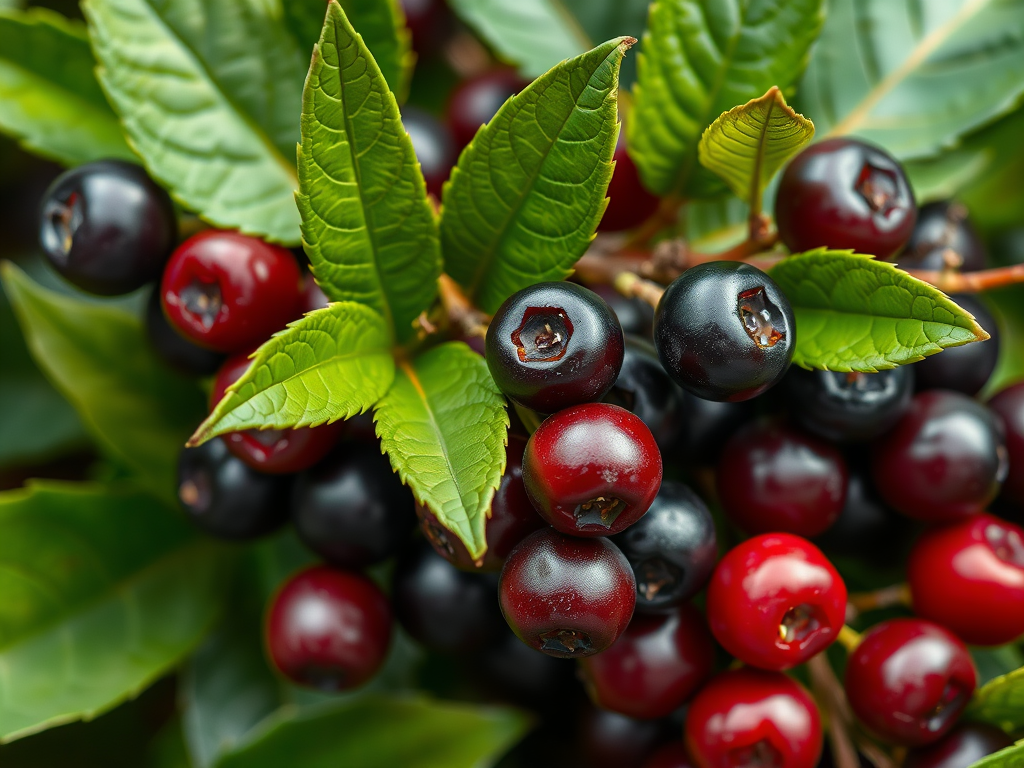
Privet fruit, also known in Traditional Chinese Medicine as Nu Zhen Zi, is a small, glossy black berry harvested from the Ligustrum lucidum plant. Long revered for its restorative properties, this herb is especially valued for its ability to nourish the liver and kidneys—organs central to vitality and aging in Eastern medicine. Often prescribed for symptoms like dizziness, blurred vision, premature graying of hair, and tinnitus, privet fruit has earned its place as a staple in formulas that support longevity and balance.

One of its most praised effects is on the immune system. Privet fruit contains powerful antioxidant compounds, including oleanolic acid, which may help protect cells from oxidative stress and promote healthy immune responses. Modern studies suggest that its compounds exhibit anti-inflammatory and even anti-cancer potential, although further human research is needed to validate these findings. In traditional herbalism, it’s often combined with herbs like Eclipta and Goji to enhance its adaptogenic qualities and support the body during times of chronic stress or depletion.

Energetically, privet fruit is considered cooling and nourishing, making it ideal for those suffering from “yin deficiency”—a state associated with overexertion, insomnia, dry skin, and fatigue. Unlike many stimulating herbs, it works subtly, building strength over time without taxing the system. As such, it’s frequently used in post-illness recovery or as part of an anti-aging tonic for those seeking to restore their deep energy reserves. Its ability to support both the physical and emotional foundation of health underscores its value in long-term wellness regimens.

Whether consumed as a tea, tincture, capsule, or as part of a larger tonic formula, privet fruit offers a gentle but profound healing potential. As always, it should be used under the guidance of a knowledgeable practitioner—particularly for individuals with sensitive digestive systems or those on medications. In an era where true rejuvenation is rare, this humble berry reminds us of nature’s quiet power to restore harmony and vitality from the inside out.

Ask Me Anything Wednesday for July 2, 2025

QUESTION: What forgotten or lesser-known ancient remedy—once used by indigenous cultures but now rarely discussed—could hold the key to solving a modern chronic illness without pharmaceuticals?

ANSWER: One such forgotten remedy is pitcher plant extract (Sarracenia purpurea), a carnivorous plant once used by Native American tribes, particularly in the northeastern regions of North America. The Cree and Mi’kmaq people used the root and fluid of this plant to treat conditions ranging from smallpox to digestive disorders. It was believed to possess potent antiviral and immune-stimulating properties, and anecdotal reports suggest it offered relief from systemic infections at a time when modern medicine didn’t exist.

In the modern era, pitcher plant has largely vanished from mainstream health conversations. Yet recent interest has quietly reignited among herbalists and integrative physicians who are exploring its application for viral diseases and inflammation-based conditions such as fibromyalgia or post-viral fatigue. Research is limited, but preliminary studies have hinted at antiviral effects against certain herpes strains. The plant’s unique chemical structure—rich in secondary metabolites and enzyme inhibitors—may help regulate immune overreactions, a critical component in many autoimmune disorders.

What makes pitcher plant especially compelling is that it works on both the immune and digestive systems—two foundational aspects of natural health. Unlike pharmaceutical antivirals that often suppress symptoms, this remedy seems to modulate the system holistically, allowing the body to recalibrate itself. Because many modern chronic illnesses stem from immune dysregulation and gut disruption (like IBS, Hashimoto’s, or chronic fatigue syndrome), Sarracenia’s dual action could offer a forgotten yet potent route to true systemic healing.

Reviving such remedies isn’t just an academic exercise—it reflects a broader question about what wisdom has been overlooked in our rush toward synthetic solutions. Nature often whispers what labs shout. The pitcher plant, like many ancient botanicals, beckons us to reconsider what healing means when it aligns with the rhythms and intelligence of the Earth. Exploring its potential requires both reverence and rigorous study—but it could very well be one of nature’s buried treasures waiting to be rediscovered.

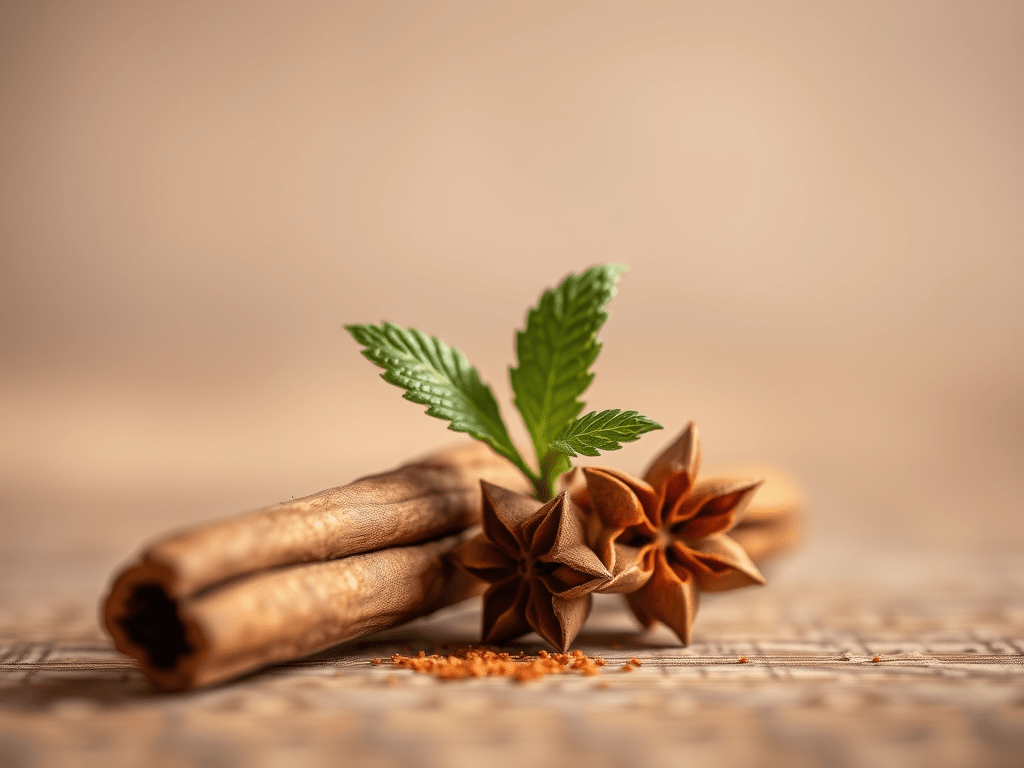
Ramulus Cinnamomi: The Great Digestive Warmer

Ramulus Cinnamomi, known in Traditional Chinese Medicine (TCM) as Gui Zhi, is the tender twig of the cinnamon tree. While many are familiar with cinnamon bark for its culinary uses, the twig itself holds a special place in classical herbal formulas. Harvested when the branches are young and pliable, Ramulus Cinnamomi is considered warm, sweet, and pungent in nature—making it a versatile remedy for a range of internal cold patterns and stagnation issues. In TCM, it is frequently used to release the exterior and promote the flow of Yang energy, especially in cases where the body struggles to circulate warmth.

One of Gui Zhi’s primary functions is to disperse cold and improve circulation. In clinical use, it is often included in formulas to relieve chills, mild fevers, and body aches associated with wind-cold invasion. It excels at guiding the body’s natural warmth outward, unblocking the superficial layers so that pathogenic influences can be vented through the skin. Gui Zhi is also known for its ability to harmonize the relationship between Ying (nutritive) and Wei (defensive) Qi—making it especially useful for conditions where this balance is disrupted, such as spontaneous sweating or alternating hot and cold sensations.

Beyond its effects on the immune and circulatory systems, Ramulus Cinnamomi also warms the channels and is used to treat joint and menstrual pain caused by cold obstruction. In formulas targeting arthritic pain, cramps, or cold-related stiffness, Gui Zhi helps warm and open the meridians, restoring fluid movement and relieving discomfort. This function also makes it a favorite for treating cold-type dysmenorrhea, where warmth and improved flow are essential. Often combined with herbs like Bai Shao (White Peony) or Sheng Jiang (Fresh Ginger), Gui Zhi works gently yet powerfully to bring heat to cold, stagnant areas.

In terms of emotional and energetic use, Gui Zhi is often used by Taoist and classical practitioners to soften inner rigidity and promote emotional fluidity. As a plant that brings warmth and movement, it is seen as a metaphor for the gentle activation of blocked energy within the spirit. When used skillfully, Ramulus Cinnamomi not only treats physical cold, but also acts as a botanical ally to help the body and heart regain flow, warmth, and harmony. Whether used in decoction, powder, or classical formulation, Gui Zhi remains a cornerstone of elegant herbal medicine.

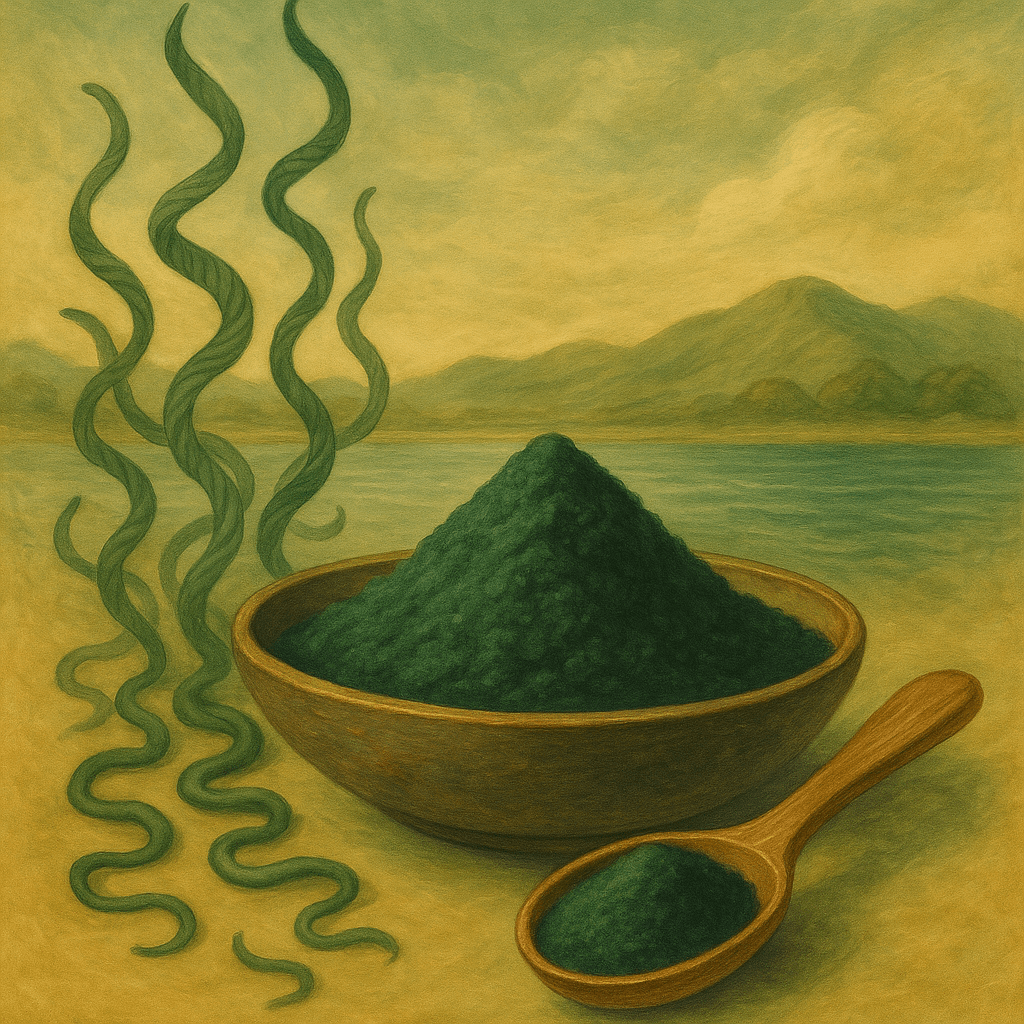
Spirulina: Nature’s Ancient Superfood

Spirulina is a blue-green algae that has been consumed for centuries due to its exceptional nutritional value and health benefits. Originating from alkaline lakes and warm, mineral-rich waters, this microscopic organism is often called a “superfood” because it contains an extraordinary concentration of protein, vitamins, and minerals. Just a small amount of spirulina delivers a broad spectrum of nutrients, including B vitamins, iron, magnesium, potassium, and essential amino acids, making it an excellent supplement for those seeking vitality and balance through natural means.

One of spirulina’s most profound benefits lies in its ability to detoxify the body, particularly from heavy metals such as arsenic, lead, and mercury. In parts of the world where arsenic-contaminated water poses a health hazard, spirulina has shown promise in reducing the toxic load on the liver and kidneys. Its high chlorophyll content also assists in cleansing the blood, while the phycocyanin compound found in spirulina has been shown to protect cells from oxidative damage and support healthy inflammation levels. This makes it especially valuable for those dealing with environmental toxins, inflammation, or sluggish digestion.

Spirulina also supports immune function and energy production. It stimulates white blood cell activity, enhances antibody responses, and has been shown to improve endurance in athletes. Many individuals who supplement with spirulina report increased mental clarity, improved stamina, and better skin health. These effects are believed to be due in part to the bioavailable iron and B12-like compounds present in the algae, which help combat fatigue and boost red blood cell production naturally.

While often overlooked in mainstream nutrition, spirulina holds a sacred place in ancient healing traditions. From the Aztecs who harvested it from Lake Texcoco to modern naturopaths and herbalists, its power is now being rediscovered and respected. As with all powerful natural remedies, quality matters—look for organic, lab-tested spirulina grown in clean environments. Used wisely, this ancient algae can serve as a quiet force for renewal in a world that desperately needs detoxification, nourishment, and deep healing.