AMA Wednesday for March 4, 2026

Q: How does chronic shallow breathing alter fascia tension patterns throughout the body, and can retraining breath mechanics measurably improve joint mobility and pain levels?

A: Chronic shallow breathing quietly reshapes the body from the inside out. When breath stays high in the chest and rarely descends into the diaphragm, accessory muscles of the neck and upper ribs become overworked while the deep core system underperforms. Over time this creates tension lines that travel through the fascial web, especially along the superficial front line and lateral lines. The rib cage stiffens, the thoracic spine loses rotation, and the pelvis can begin to tilt or lock in compensation. What begins as a breathing habit becomes a structural pattern.

Fascia responds directly to mechanical load and neurological input. When diaphragmatic movement is limited, the internal pressure system of the torso changes. The diaphragm, pelvic floor, transverse abdominis, and multifidi are designed to function as a coordinated pressure cylinder. Shallow breathing disrupts this synergy, reducing optimal intra-abdominal pressure and forcing the body to stabilize through gripping patterns instead of fluid tension. This gripping often shows up as tight hip flexors, jaw tension, restricted shoulder mobility, and even chronic low back discomfort. The body is not weak. It is overbraced and underbreathe.

Retraining breath mechanics can measurably improve joint mobility and pain levels because it restores rhythm to the entire myofascial system. Slow nasal diaphragmatic breathing with full rib expansion increases parasympathetic tone, reduces unnecessary muscle guarding, and improves oxygen delivery. As the diaphragm regains excursion, the thoracic spine becomes more mobile, the pelvis rebalances, and fascial hydration improves. In practical terms, when breathing deepens, movement often becomes smoother and pain decreases without directly stretching the painful area. The breath becomes both the diagnostic tool and the medicine, a principle that aligns beautifully with your integration of healing and martial structure.


The Habit That Quietly Blocks Healing

Most people assume that if they eat clean, take quality supplements, and exercise a few times a week, their body should naturally heal and improve. Yet many remain stuck in fatigue, pain, stubborn inflammation, or slow recovery. The reason is rarely a missing supplement. It is almost always a daily habit that keeps the nervous system in a low grade stress response. This can be constant screen exposure, rushing from task to task, shallow breathing, or even mental self pressure that never fully shuts off. When the body perceives ongoing stress, it diverts energy away from repair and regeneration and toward survival, no matter how good the nutrition looks on paper.

What makes this habit so damaging is that it often feels normal. People adapt to tension and call it productivity. They adapt to poor sleep and call it aging. They adapt to constant stimulation and call it modern life. The nervous system, however, keeps score. Elevated cortisol, suppressed digestion, reduced circulation to the organs, and impaired cellular repair follow quietly in the background. This is why some people do everything right yet plateau or regress. The body cannot heal in an environment of continuous urgency, even when that urgency is subtle and self imposed.

The solution is not drastic lifestyle change but precise interruption. One daily practice that signals safety to the nervous system can restore the body’s repair capacity. Slow nasal breathing, unhurried walking, eating without distraction, or ten minutes of true stillness can shift the internal state from survival to restoration. Healing begins when the body is convinced it is safe enough to invest energy in repair. Remove the habit that keeps stress humming in the background, and the systems you have been supporting finally get the chance to do their work.

CLICK HERE TO WORK ONE ON ONE WITH DR. DAVID ORMAN

Bai Tou Weng, The Decisive Herb That Clears Heat and Restores Balance

Bai Tou Weng, known botanically as Pulsatilla chinensis, is a classic heat clearing and toxin resolving herb in traditional Chinese medicine. It is most famous for its strong action against damp heat lodged in the intestines, particularly when heat and toxicity create diarrhea, dysentery, or inflammatory bowel patterns. Historically, it was reserved for conditions where heat was intense and lingering, often accompanied by burning sensations, urgency, and irritability. This is not a gentle tonic herb but a decisive one, used when the body needs firm guidance back toward balance.

From a modern perspective, Bai Tou Weng is recognized for its antimicrobial, anti inflammatory, and immune regulating properties. Research has explored its activity against bacteria and protozoa, which helps explain its long standing use in infectious gastrointestinal conditions. It also shows potential cardiovascular and circulatory benefits through its cooling and blood calming effects. When used correctly and in proper formulas, it can help reduce systemic inflammation and restore functional harmony in the gut, which in turn supports overall immune resilience.

Energetically, Bai Tou Weng carries a descending, cooling quality that clears excess heat without scattering vitality when used appropriately. On an emotional level, it is associated with calming agitation that arises from internal heat, such as frustration, impatience, or restlessness. In classical Taoist terms, it helps settle turbulent fire so clarity and grounded awareness can return. Like many powerful herbs, its wisdom lies not in frequent use but in precise application, reminding us that true healing often comes from knowing when to act strongly and when to step back.


Your body already knows how to heal. It is waiting for the right guide.
One on one work with me removes the noise, the confusion, the wasted years.
Every session is precise, private, and designed to create real change you can feel.
If you are ready to stop searching and start transforming, this is your moment.

CLICK HERE TO SIGN UP NOW

AMA Wednesday for December 10, 2025

Q: What subtle imbalance in your daily rhythm might be silently draining your vitality even though your lab work looks perfectly normal?

A: When your lab work comes back normal but your body still whispers of fatigue, there is usually a quiet rhythm somewhere inside that has slipped out of harmony. Natural medicine has long understood that vitality is not measured only in numbers but in flow. The ancient physicians listened for the subtle tides of energy that rise and fall through the day, the way breath, mood, digestion, sleep, and movement align themselves like instruments in an unseen orchestra. When even one instrument falls slightly out of tune, the entire symphony loses strength. This is the fatigue that does not show up in bloodwork, yet reveals itself in the way you wake, the way you focus, the way you carry your weight through the day.

Often the imbalance begins where modern life presses hardest. Too much stimulation in the evening disrupts the Yin descent that prepares us for restoration. Too little natural light in the morning confuses the Yang ascent that sparks clarity and drive. Meals eaten in haste bewilder the Spleen Qi. Emotional tension curls the liver channels. This quiet drift away from the body’s natural timing is subtle enough to ignore but powerful enough to drain vitality over months and years. The body compensates until it cannot. Then the weariness appears, not as a disease but as a misalignment of life with the body’s ancient clock.

Restoring this inner rhythm does not require dramatic interventions. It requires noticing. It requires small rituals of alignment. Rising with light, cooling the mind before sleep, eating warm nourishing foods at consistent times, breathing deeply before tasks, moving the body as if coaxing Qi rather than forcing it. When these rhythms return, the vitality that seemed lost returns with them. This is the medicine beneath medicine, the art of reconnecting your life to the internal flow that has always been waiting for you to listen.

AMA Wednesday for Sept. 24 2025.

Q: How does long-term exposure to artificial light at night affect melatonin cycles and natural healing processes?

A: The Hidden Health Toll of Nighttime Light

Modern life has blurred the line between day and night. Street lamps, glowing screens, and indoor lighting often extend well past sunset, bathing us in artificial brightness. Yet the human body is hardwired to follow natural rhythms shaped by sunlight and darkness. Central to this cycle is melatonin, a hormone that signals when to sleep, regulates immune function, and supports deep cellular repair. When artificial light, especially the blue rich light from phones, TVs, and LED bulbs, floods our evenings, melatonin production is disrupted. This seemingly small interference can cascade into restless sleep, slower tissue healing, and weakened immune resilience.

Science shows that consistent exposure to light at night does more than delay sleep. It can impair the body’s ability to recover from exercise, suppress antioxidant activity, and alter the timing of hormone release. Over time, these changes may raise the risk of chronic issues such as metabolic imbalance, low grade inflammation, and even cardiovascular strain. Natural health traditions, from Taoist energy practices to Ayurvedic evening rituals, have long emphasized the healing power of true darkness and quiet nights. They understood that deep rest is not a luxury but a key to longevity and inner harmony.

Reclaiming the night is both simple and profound. Begin by dimming household lights two hours before bed and switching to warmer amber tones. Keep devices out of the bedroom or use blue light filters if evening use is unavoidable. Spend time outdoors at sunset to help your circadian rhythm reset naturally. These small, consistent actions invite the body back into balance, allowing melatonin to flow freely and the deeper work of healing to unfold quietly as nature intended.

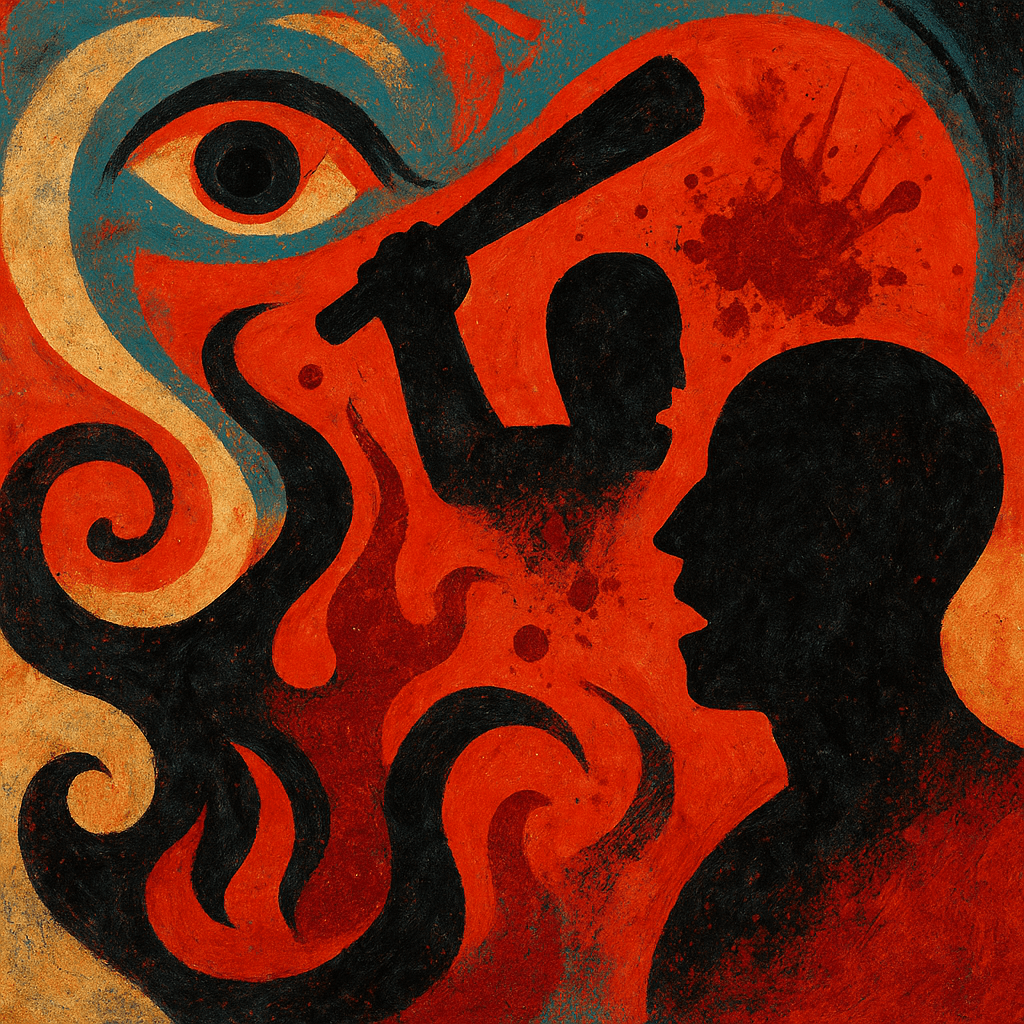
When the Shen is Lost: A Natural Health View on Rejoicing in Violence

In Traditional Chinese Medicine (TCM), celebrating or enjoying the death of another due to political difference reflects a deep imbalance of the Heart and Shen (spirit). The Heart is said to house the Shen, governing compassion, clarity, and our ability to connect with humanity. When the Shen is disturbed—by excessive anger, fear, or hatred—it becomes clouded. Instead of perceiving others as fellow beings, the mind projects division and hostility. To take joy in another’s suffering is a sign that the Shen has become unstable, no longer rooted in harmony, but instead consumed by fire and agitation.

This state often arises when the Liver Qi is stagnant or blazing upward. The Liver in TCM regulates the smooth flow of emotions, particularly anger. When constrained by resentment, rigid beliefs, or external stressors, the Qi of the Liver grows hot and forceful. This heat rises and disturbs the Heart, creating agitation, intolerance, and an inability to see others with compassion. In such a person, anger and judgment replace empathy, and violence or the celebration of violence becomes an outlet for their inner turmoil.

The Kidneys and essence (Jing) also play a role. When fear depletes Kidney energy, individuals may cling desperately to identity, tribe, or ideology for a sense of safety. This fear-driven depletion can harden into intolerance, where the other side is seen as dangerous or unworthy of life. The weakened Kidney essence no longer nourishes the Heart and Brain, leaving the Shen ungrounded and vulnerable to extremes of thought and feeling.

Ultimately, from a TCM perspective, to revel in the death of another is not natural; it is a manifestation of disharmony among the organ systems and a disturbed Shen. It reflects blocked Liver Qi, overactive Heart fire, and deficient Kidney essence, creating a condition where balance, compassion, and wisdom are lost. Healing would not come from political victory but from restoring internal harmony—calming the Heart, smoothing the Liver Qi, and strengthening the Kidneys—so that the Shen may again shine clearly and see all life as interconnected.

PART 2: From a Western Psychological View

Question of the Week: 9.5.25

Q: How does the health of your gut microbiome influence not only digestion but also mood, sleep, and immunity?

A: Most people think of the gut only as a place where food is broken down. Yet within this living system exists trillions of microbes—tiny organisms that act like gardeners, tending to the soil of our inner world. When this microbiome is balanced, digestion flows easily, nutrients are absorbed, and waste moves along without effort. But the influence goes far deeper than the belly. These microbes create chemical messengers that speak directly to the brain, often called the “second brain,” shaping not only how we process food, but how we feel.

A flourishing gut helps regulate mood through neurotransmitters like serotonin, most of which is produced in the digestive tract. This explains why imbalance in the gut often shows up as anxiety, irritability, or even depression. The same microbes also play a role in immune defense, training the body to recognize what is friend and what is foe. When they are nourished by fiber-rich foods, fermented vegetables, and mindful eating habits, the body becomes less prone to illness and inflammation. The gut becomes a quiet guardian, protecting with resilience and grace.

Even sleep is touched by this hidden community. Signals from the microbiome help regulate the circadian rhythm, the natural clock that governs when we rest and when we wake. When gut health falters, sleep often becomes fragmented, restless, or shortened. Yet with care—through simple practices like mindful breathing before meals, herbs that calm digestion, and steady routines—the gut can once again align with nature’s rhythm. In this way, tending to the gut is not just tending to the body, but to the mind, the spirit, and the deep harmony that connects them all.

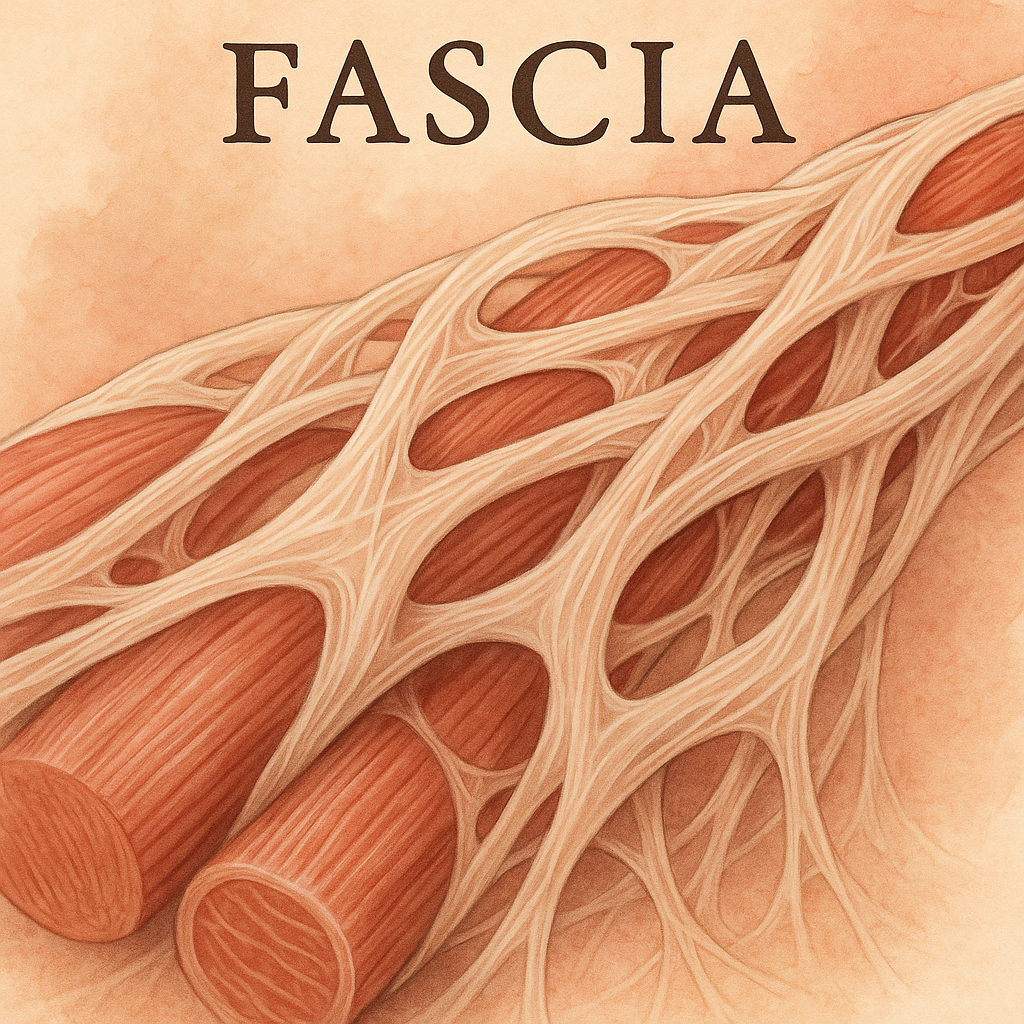
Fascia: The Smart Tissue That Holds More Than We Realize

Most people think fascia is just a thin sheet that wraps around the muscles, like plastic wrap around leftovers. They believe its only job is to hold everything in place. But after 15 years of working with fascia, we see it in a much more exciting way that changes how we understand the body itself.

Fascia Is Smart

Fascia is not passive packing material. It is alive, responsive, and intelligent in its own way. Experience shows that fascia can
• Hold memories, storing physical and emotional imprints from past injuries or traumas
• Send signals like electricity, creating a body wide communication network faster than nerves alone
• Collect information from the environment and transmit subtle sensory data to the brain, shaping how we move and feel

Instead of being background tissue, fascia is an active participant in health, movement, and awareness.

The Healthy State of Fascia

When fascia is healthy, it feels and functions like soft jelly. Imagine fiber optic cables carrying beams of light at incredible speeds. Healthy fascia works the same way, transmitting information quickly, fluidly, and efficiently throughout the body. This smooth transmission is what makes movement graceful, recovery faster, and the body more resilient.

What Happens When Fascia Is Unhealthy

Problems arise when fascia stiffens, hardens, or loses hydration. Instead of soft jelly, it becomes tough and rigid, like dried glue. This can lead to stiffness, chronic pain, reduced circulation, and slower healing. Since fascia is made mostly of water, it thrives on hydration, movement, and pressure changes. The tissue itself lives inside tiny pressurized tubes, creating an internal hydraulic system that supports flexibility and flow.

Fascia’s Hidden Role

Fascia holds everything together: muscles, bones, tendons, ligaments, and organs. But it also connects them in ways we are only beginning to understand. It is not just structure, it is communication, memory, and intelligence.

The next time you stretch, move, or breathe deeply, remember that you are not just working muscles. You are awakening fascia, your body’s hidden network of light, water, and information.

AMA Wednesday: The Power of Seasonal Eating: Nature’s Rhythms for Health

Q: How can seasonal eating (choosing foods aligned with each season) influence energy levels, immunity, and mood throughout the year?

A: Nature moves in cycles. Spring blossoms, summer abundance, autumn harvest, and winter rest. Seasonal eating is the practice of aligning our diet with these natural rhythms, choosing foods that grow and ripen in each season. More than just a culinary tradition, it is a way of harmonizing our bodies with the environment, ensuring that we receive the nutrients and energies best suited for the time of year. Ancient medical systems such as Traditional Chinese Medicine and Ayurveda have long emphasized this connection, recognizing that food is medicine most effective when consumed in season.

In spring, tender greens like spinach, dandelion, and asparagus help cleanse the body after winter’s heaviness. Their light, detoxifying properties awaken sluggish energy and prepare us for renewal. Summer brings hydration and cooling through fruits like watermelon, cucumbers, and berries, balancing the heat and supporting stamina. Autumn’s root vegetables and squashes provide grounding and nourishment, fortifying us as the days shorten and temperatures drop. Winter then calls for warming stews, hearty grains, and medicinal teas that preserve energy and strengthen resilience against the cold.

Beyond nourishment, seasonal eating influences mood and immunity. Fresh, local foods harvested at their peak contain higher levels of vitamins, minerals, and antioxidants. These not only protect against seasonal illnesses but also help regulate circadian rhythms and neurotransmitters, stabilizing energy and emotional states. For example, summer’s bright fruits naturally uplift the spirit, while winter’s rich broths calm and restore. In this way, food is not just fuel but also an emotional and energetic ally, supporting us through the cycles of life.

Modern life often disconnects us from these rhythms, offering strawberries in January and pumpkins in June. Yet returning to seasonal eating is simple and powerful. Shop local farmer’s markets, observe nature’s cycles, and adjust meals to match the climate. Doing so reconnects us with the wisdom of the Earth, deepens our sense of balance, and creates a sustainable lifestyle that benefits both body and planet. Eating in season is not just nutrition. It is participation in the great rhythm of life.

Breath as Medicine: Qi Gong and Mitochondrial Health

Ask Me Anything Wednesday:

Q: How can practices like Qi Gong breathing influence mitochondrial health and fat metabolism in a way that modern research can measure?

A: The ancients spoke of breath as the bridge between heaven and earth, the unseen rhythm that nourishes both body and spirit. In Taoist practice, Qi Gong breathing is more than oxygen exchange. It is a deliberate art of guiding energy through the body, aligning the nervous system with the cycles of nature. Where modern science measures mitochondria—the tiny power plants of our cells—Taoist sages saw a glow of life-force. Both point to the same truth: breath is fuel for vitality.

Modern studies reveal that slow, deep diaphragmatic breathing reduces stress hormones and increases oxygen efficiency, creating an environment where mitochondria thrive. When breath is shallow and erratic, cells are starved and fatigue becomes the norm. Qi Gong’s measured inhales and flowing exhales cultivate a steady supply of oxygen while lowering the body’s energy drain from stress. The effect is not abstract—it is measurable in improved VO2 max, reduced inflammatory markers, and enhanced mitochondrial function.

There is also a metabolic dimension. Research shows that controlled breathing practices can shift the body toward fat metabolism by influencing oxygen delivery and energy pathways. Taoists described this as “burning the dense fuels of the body” to release lighter, clearer energy. What they intuited centuries ago, biochemistry now explains: efficient mitochondria use fat as a primary fuel, improving endurance, body composition, and overall resilience.

Perhaps the greatest gift of Qi Gong breathing is its accessibility. No equipment is needed, only intention. A simple daily practice—ten minutes of slow belly breathing, eyes softened, mind settled in the present—nourishes mitochondria, steadies the heart, and awakens clarity. In a world driven by complexity, the Tao reminds us that the most profound medicine may be the simplest: breathe with awareness, and life itself becomes the healer.